In Grade 6, students take a Visual Arts class for 6 weeks. Within this time period, students focus on creating work based on the Elements of Art and Principles of Design.
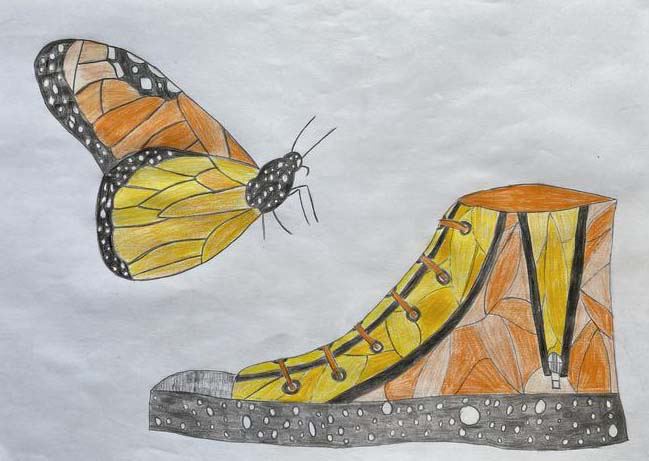
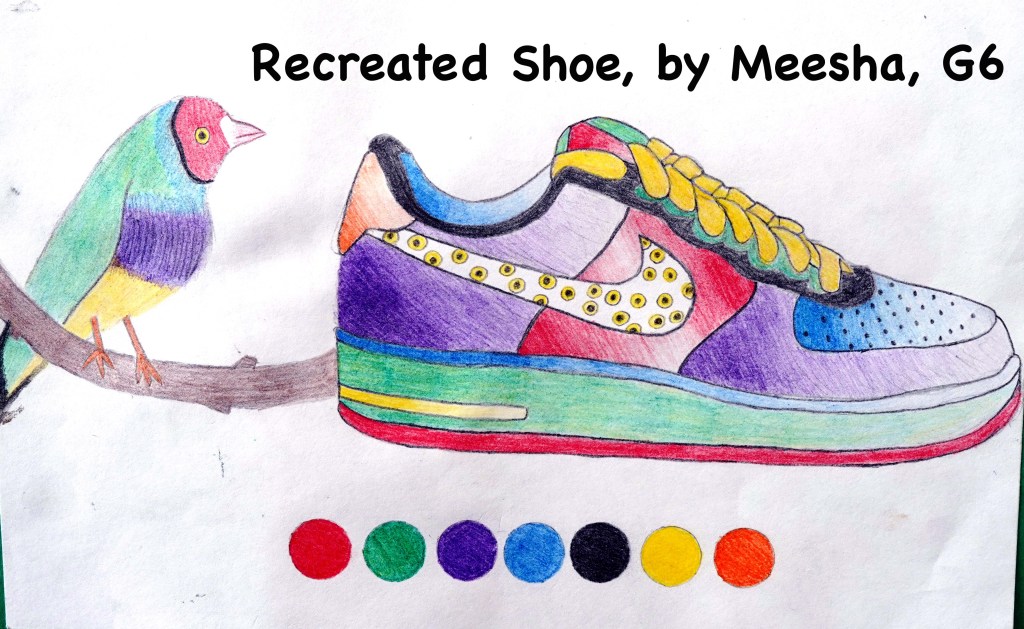
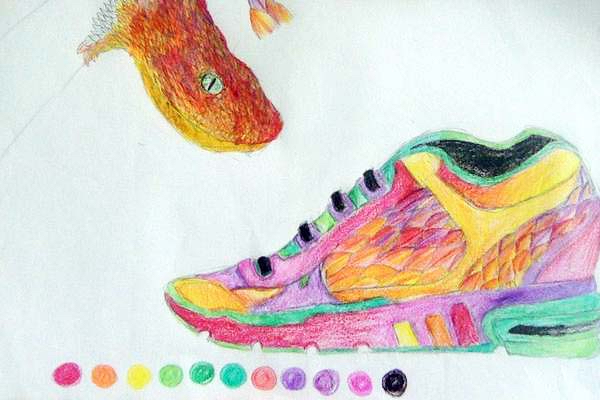
“Recreate a Shoe,” G6
Recreate A Shoe- Texture, Line, Repetition, Form, Shape, Unity, Emphasis, Contrast, Balance and Colour
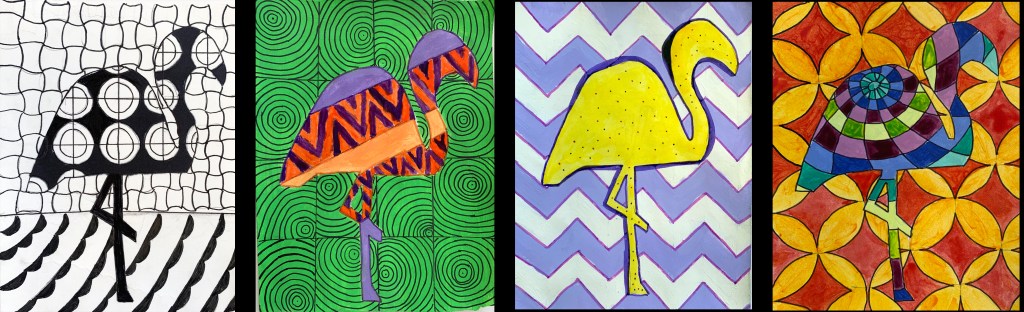
In this unit students were challenged with both observational drawing and creative problem solving. Being that we live in South Africa, I asked the students to identify a bird, insect, lizard or fish from this area of the world. It had to have colour, pattern and/or textures. They were then asked to think like a designer and to recreate their shoe’s design using the animal they chose.



Agamograph, G6
Line, Repetition, Shape, Unity, Contrast, Balance, Movement, Space, Rhythm and Colour
In this unit, students were asked to create a Polyvisual Sculpture in the style of colour theorist Yaacov Agam. Seen from 3 sides, students first painted one piece in warm colours, using diagonal lines and shapes. In a second painting, students painted in cool colours, using horizontal lines and shapes. In a third painting, they could use all colours, using curved lines and shapes. Placed together, they create an Agam inspired Polyvisual piece.
Tessellations ala M.C. Escher, G6
Shape, Repetition, Texture, Line, Form, Unity, Emphasis, Contrast, Balance and Colour
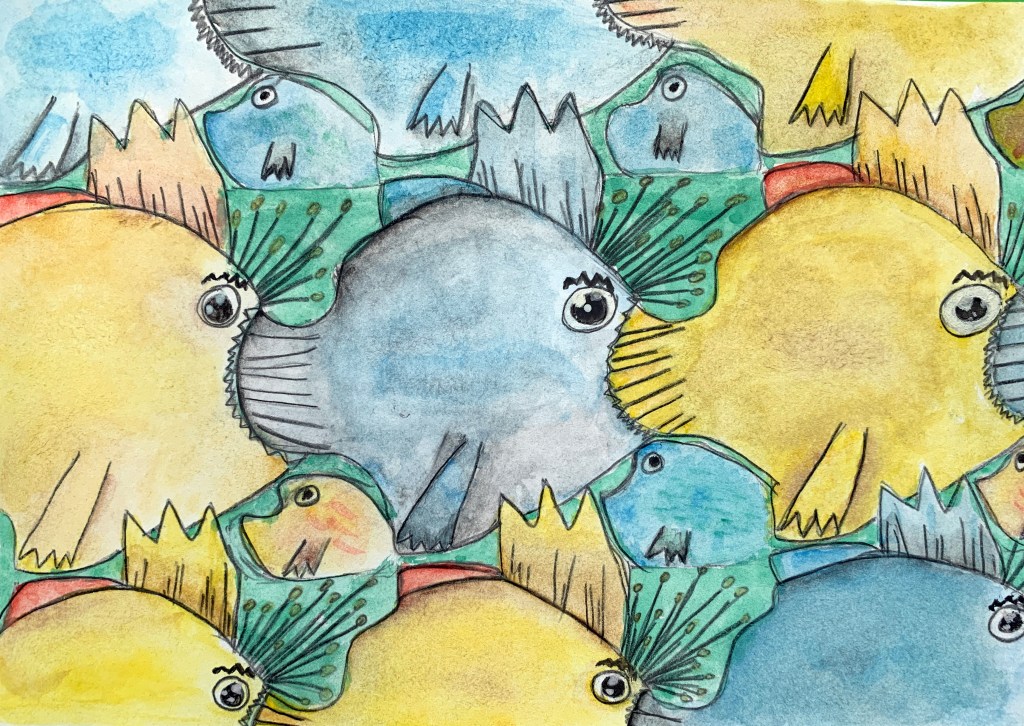
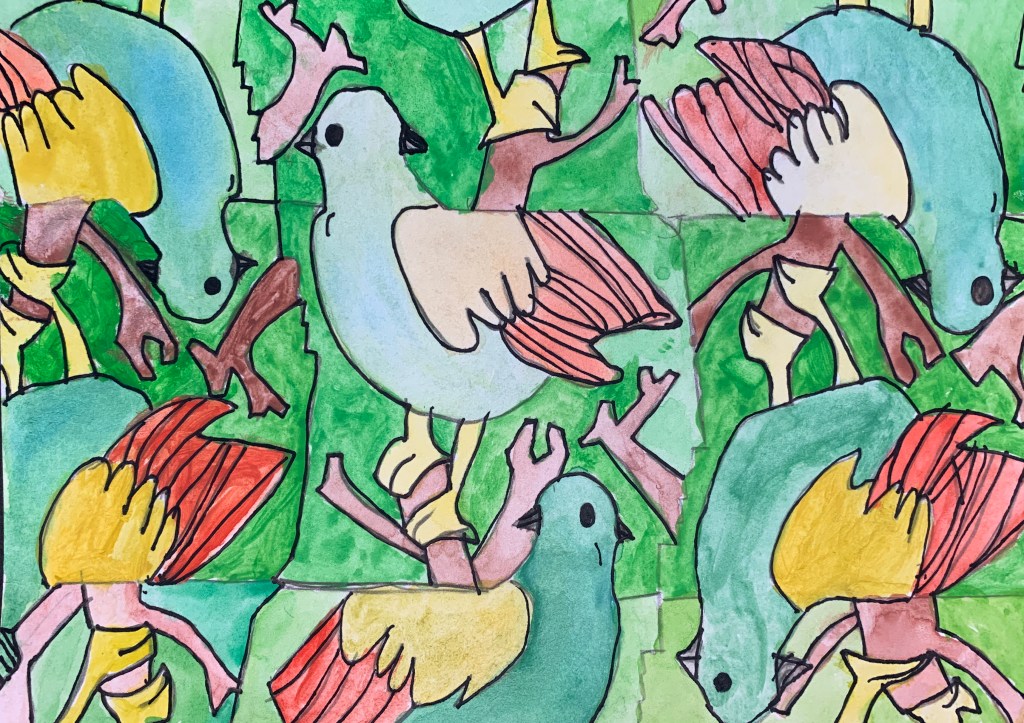
In this unit, students used mathematical grids to create tessellating shapes. Using M.C. Escher as their inspiration, they then created repeated images within their shapes and finished them with watercolours, ink and/or coloured pencils.

Radial Design ala Mexican Mandalas, G6
Form, Shape, Unity, Space, Emphasis, Repetition, Contrast, Balance and Colour
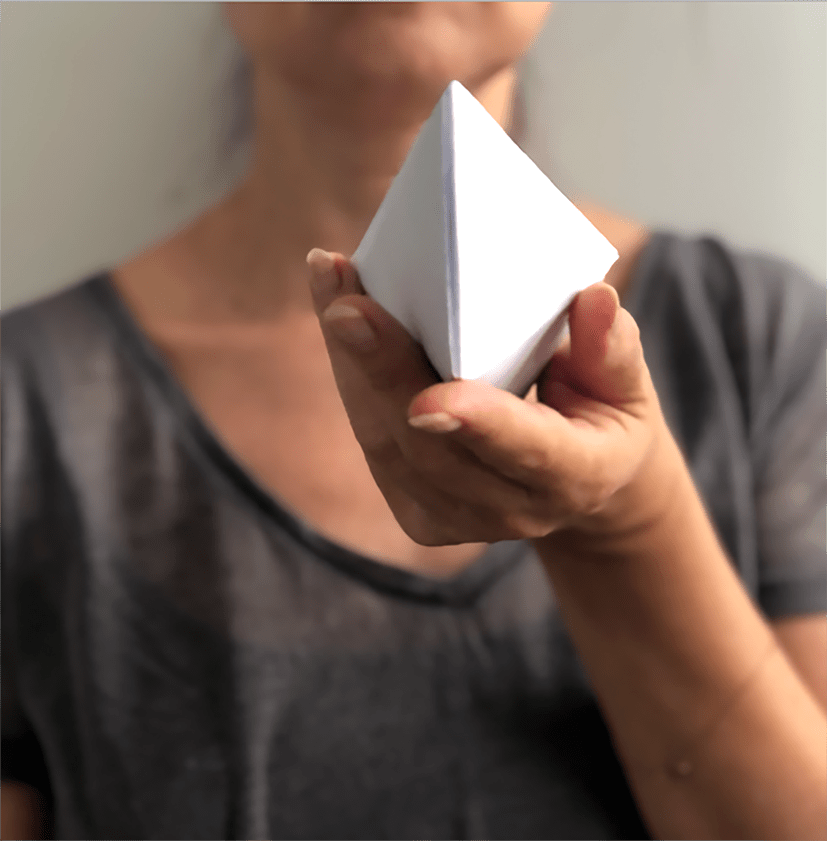
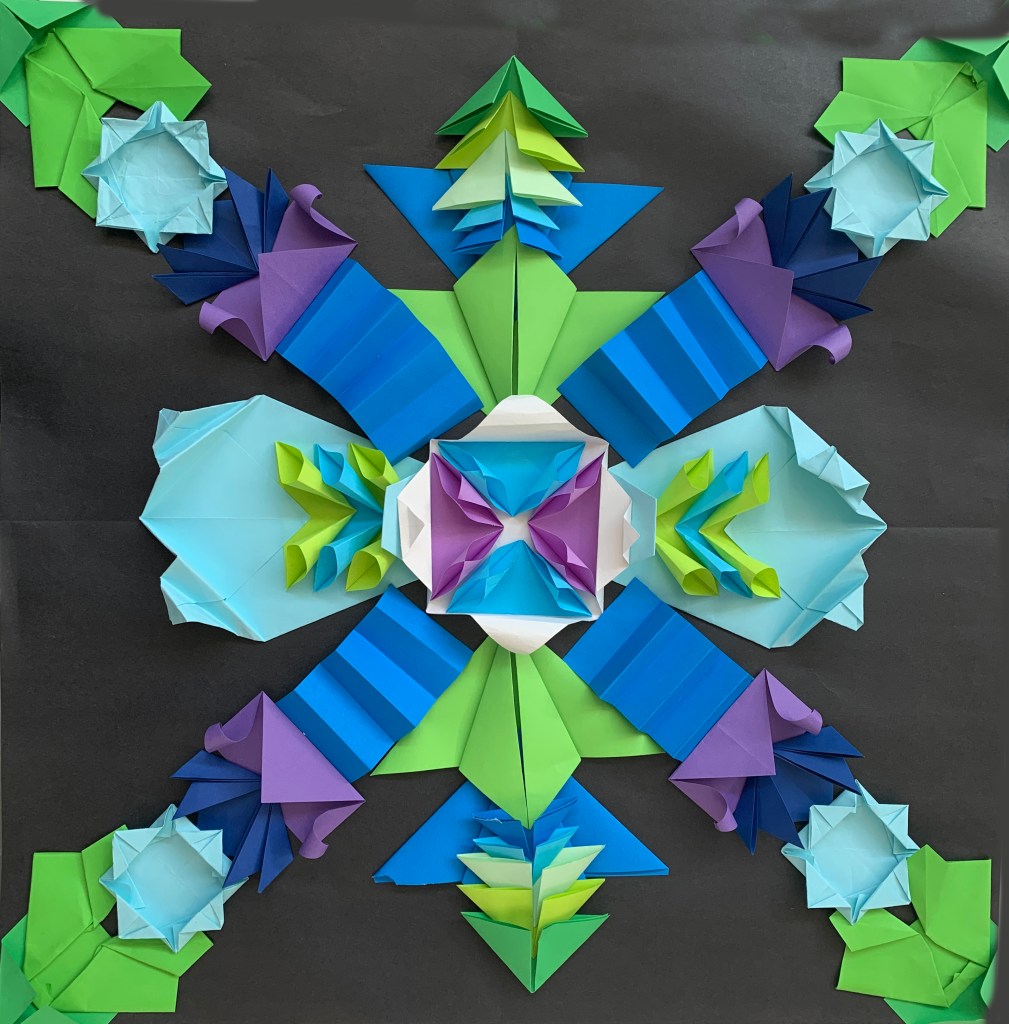
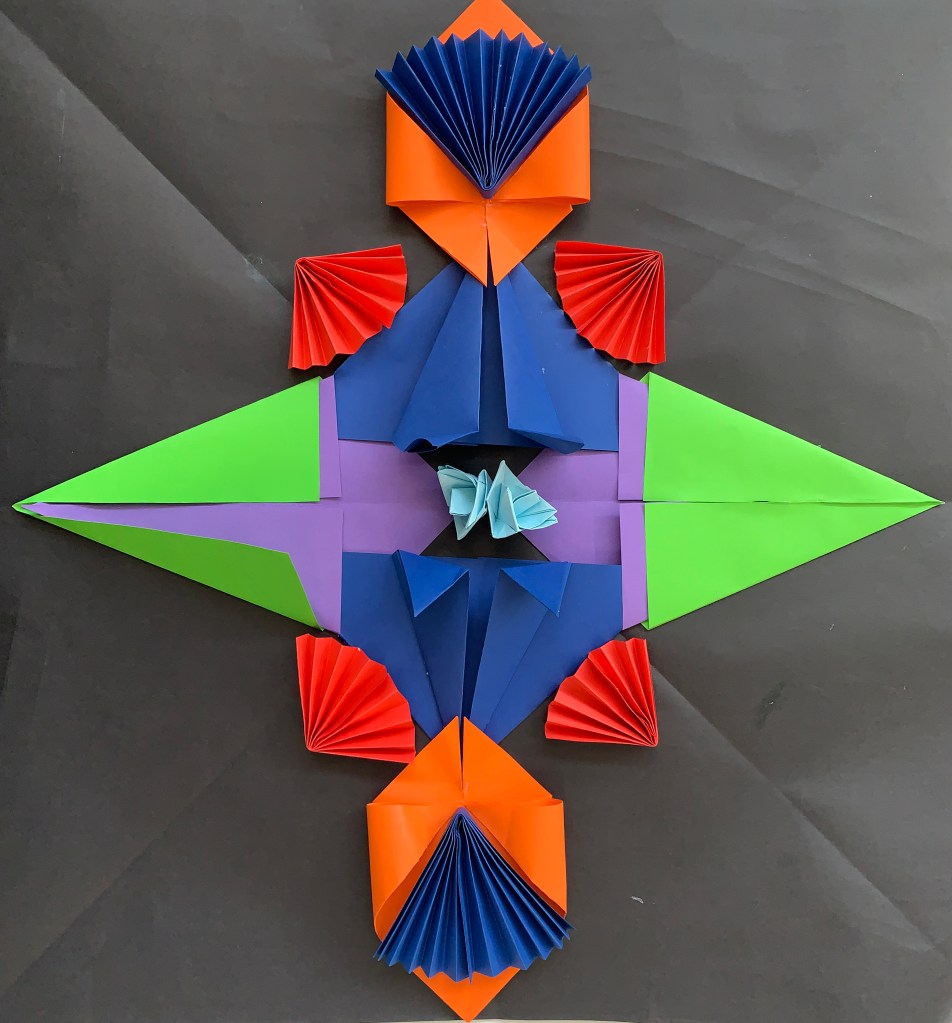
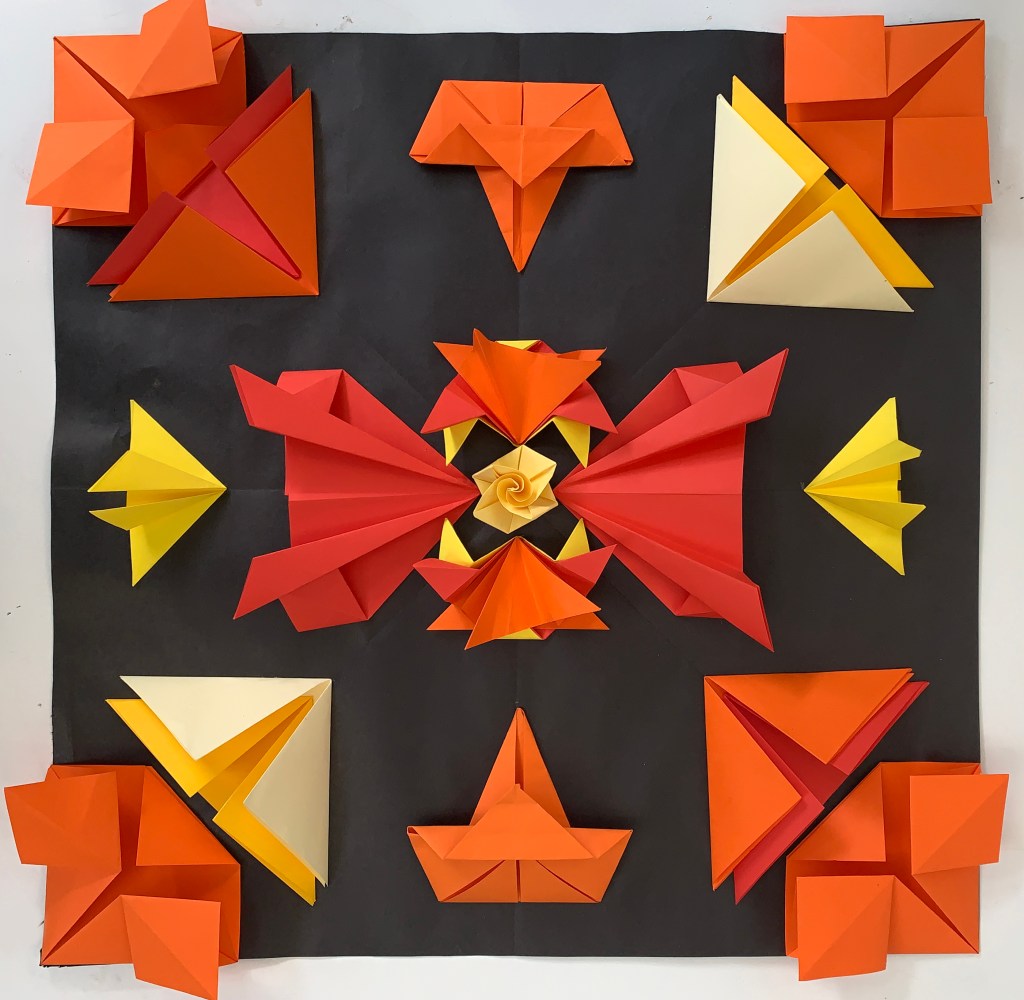
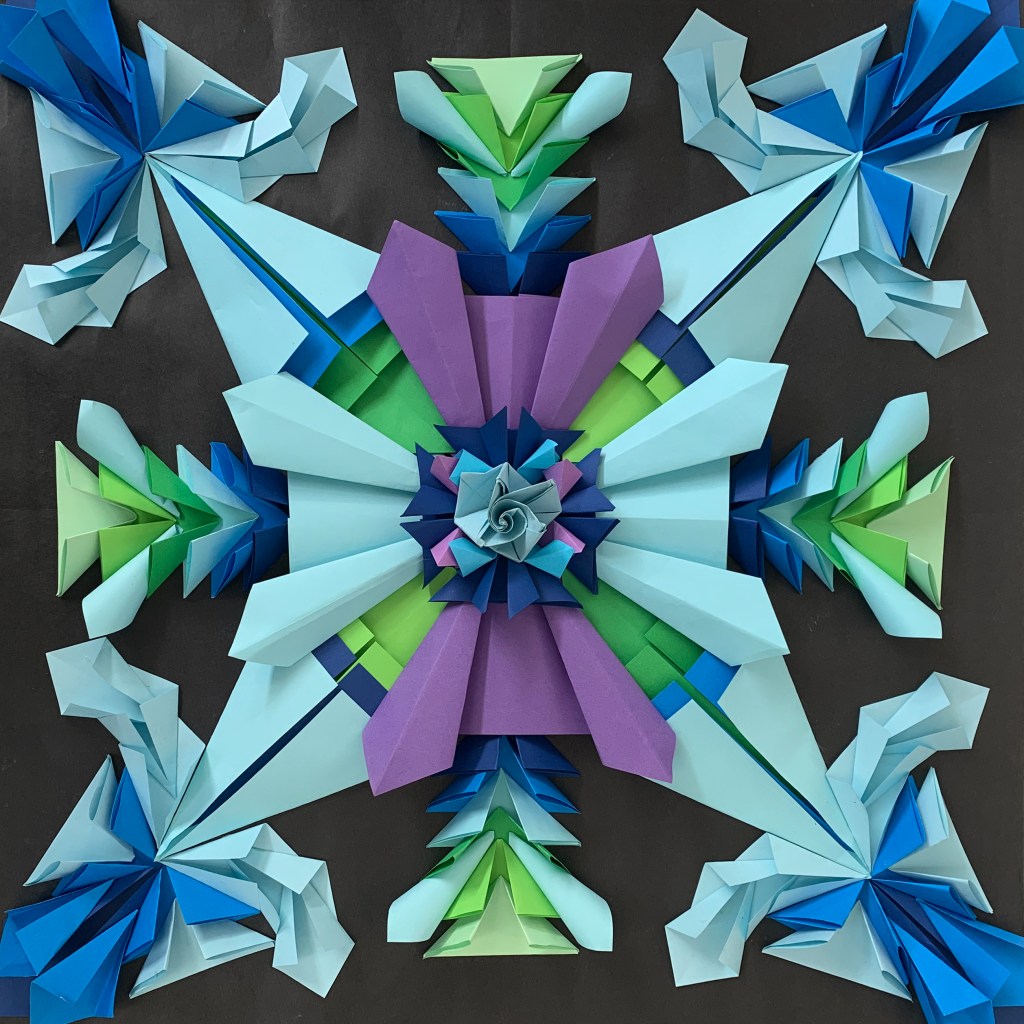
In this unit, students used the Japanese origami paper folding technique and following colour harmonies, created radial designs inspired by Mexican Mandalas. By mixing the two cultures, students came to understand the designs of one culture, using the techniques of another.

In Grade 7, students can choose from Visual Art electives. These consist of “Ceramics,” “Drawing,” “Painting,” “Open Studio” and “Colour and Design.”
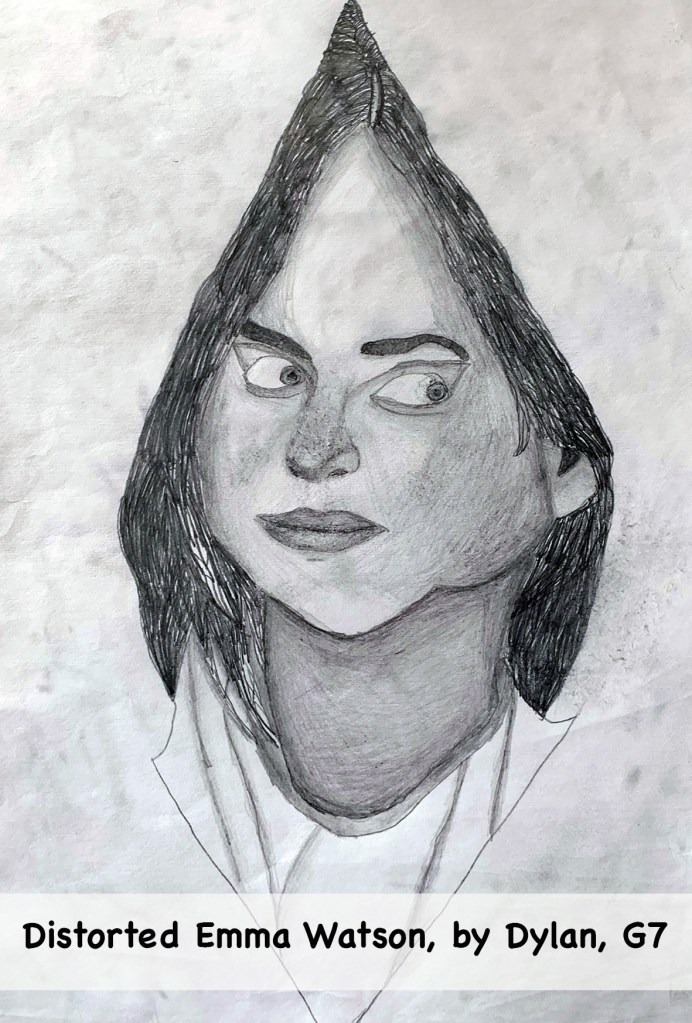
“Distorted Grid Portraits,” Drawing class, G7
In this unit, I taught students how to draw a distorted grid. I then asked them to draw a normal grid over a portrait they had printed. Using the grid drawing format, the students had to draw their portraits within the grid, even as it distorted.
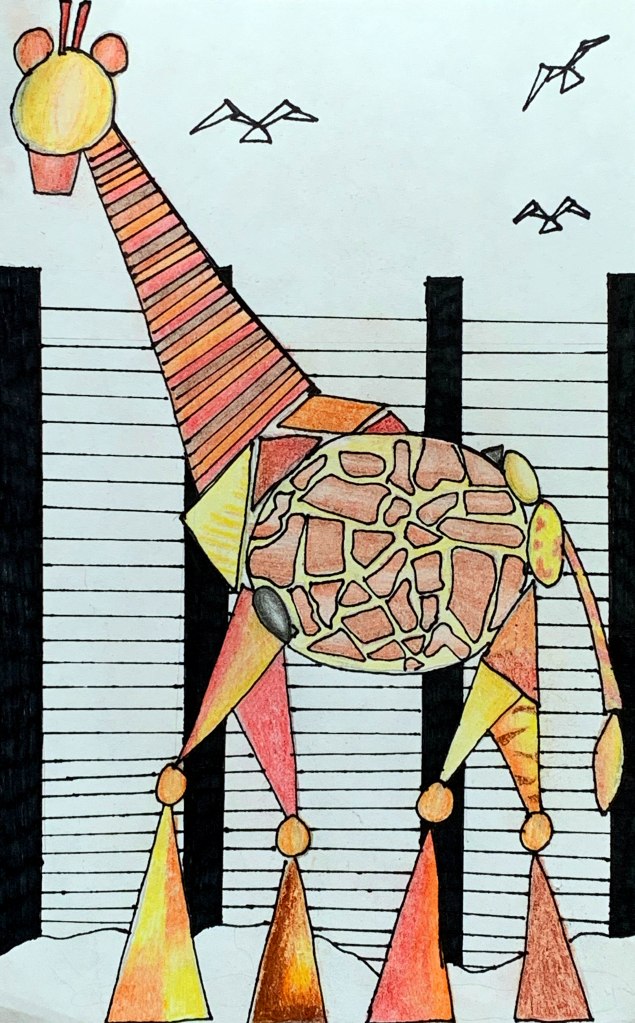
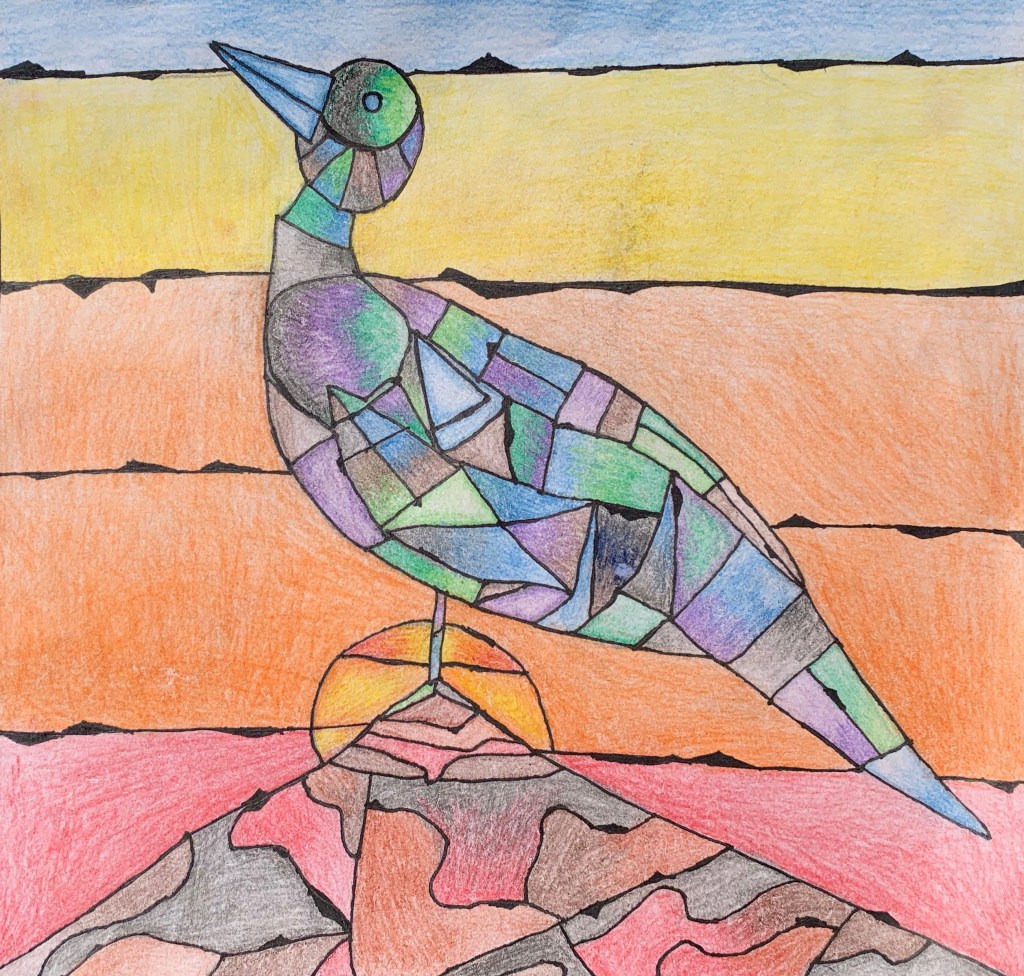
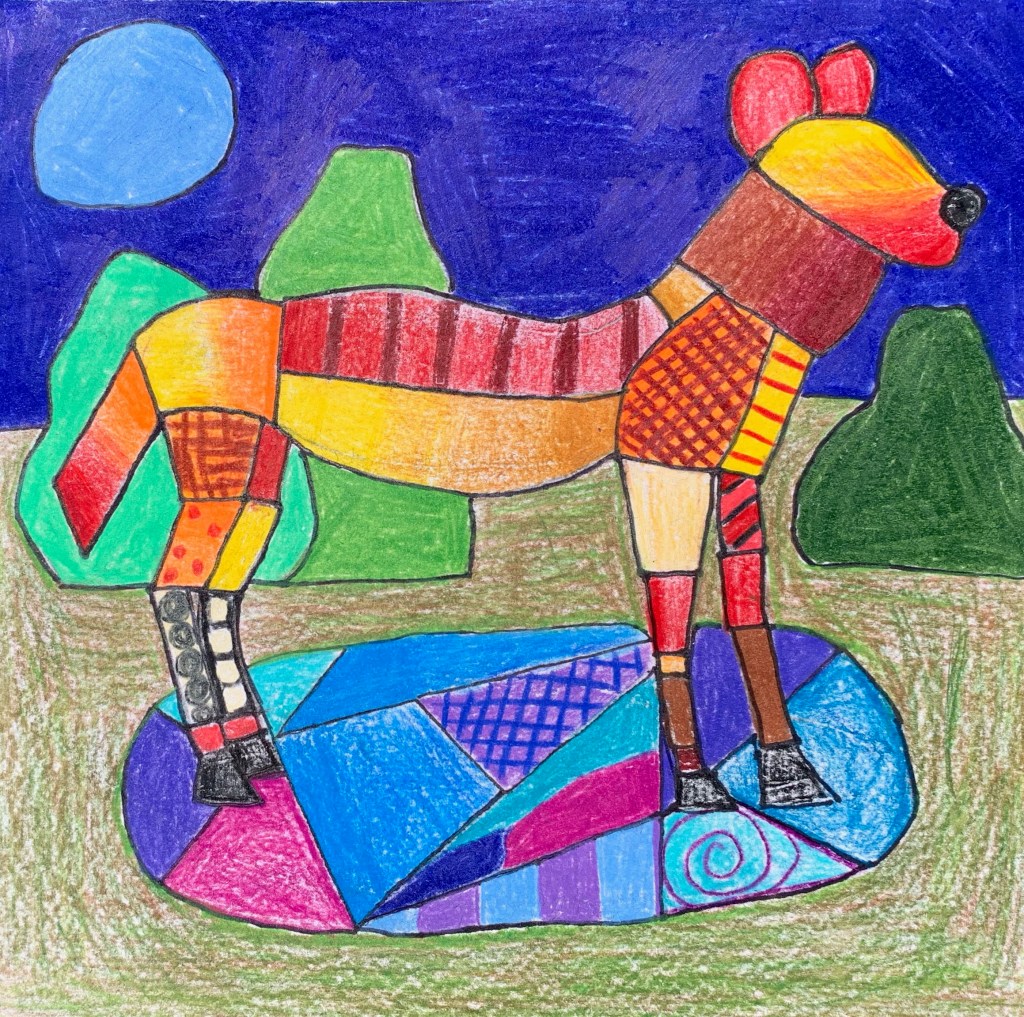
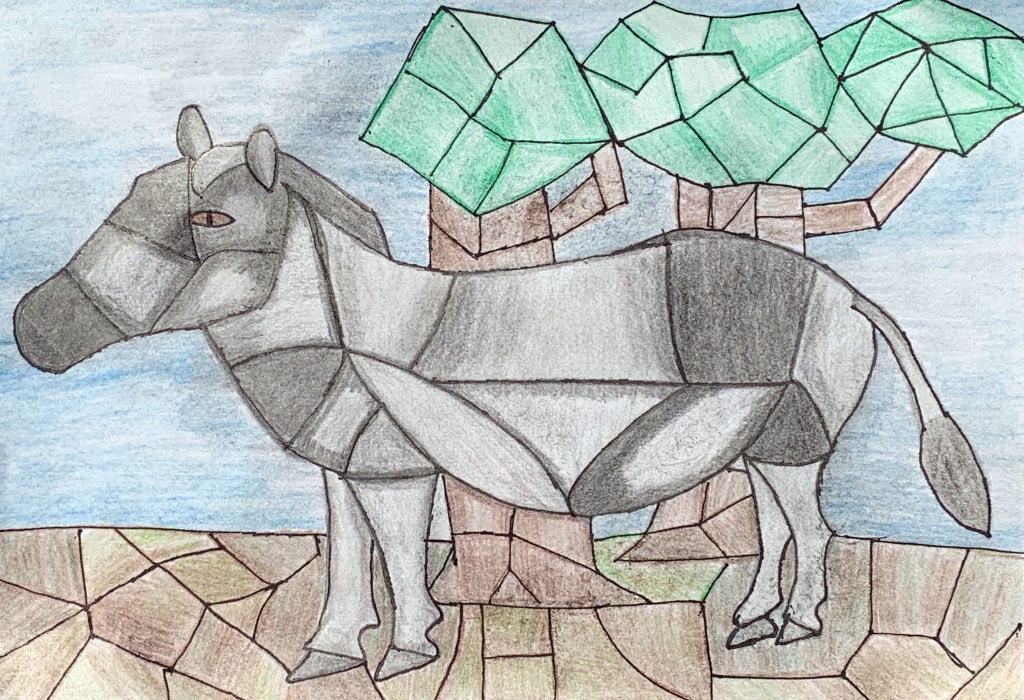
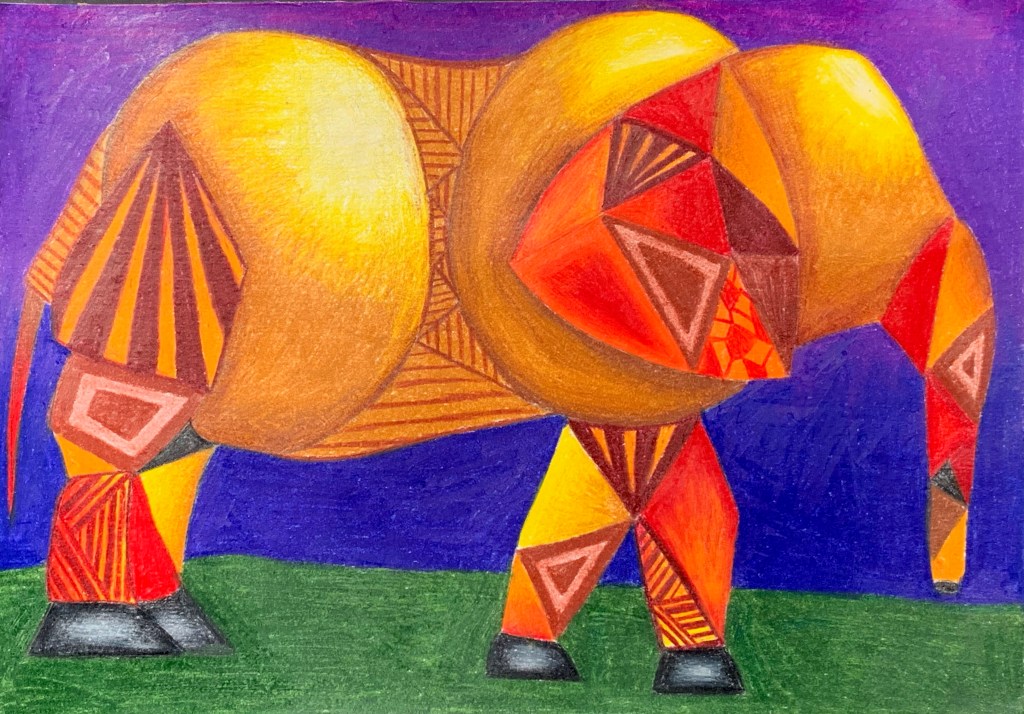
“Cubist Animal,” Drawing class, G7
In this unit, students learned how to draw animals by using shapes. Afterwards, they looked at the work of Pablo Picasso and broke these drawings into multiple shapes resembling a Cubist painting. Using gradation with their coloured pencils, students completed their animals in either warm or cool colours.
“Illustration,” Drawing class, G7
Students had a choice to illustrate from a favourite book, a poem or a song lyric. They then researched an illustrator of their choice and created illustrations using the styles of their artists. Illustrators included David Wiesner, Dave Calver, Maurice Sendak, Sophie Blackall, Dan Santat, Bruno Mangyoku, Kristen Ulve, Andy Catling, Javaka Steptoe, Lamiaa Ameen, Valeria Gallo, Rosana Mesa and much more…

Artists above; Lamiaa Ameen, Java Steptoe, Bruno Mangyoku, Rosana Mesa
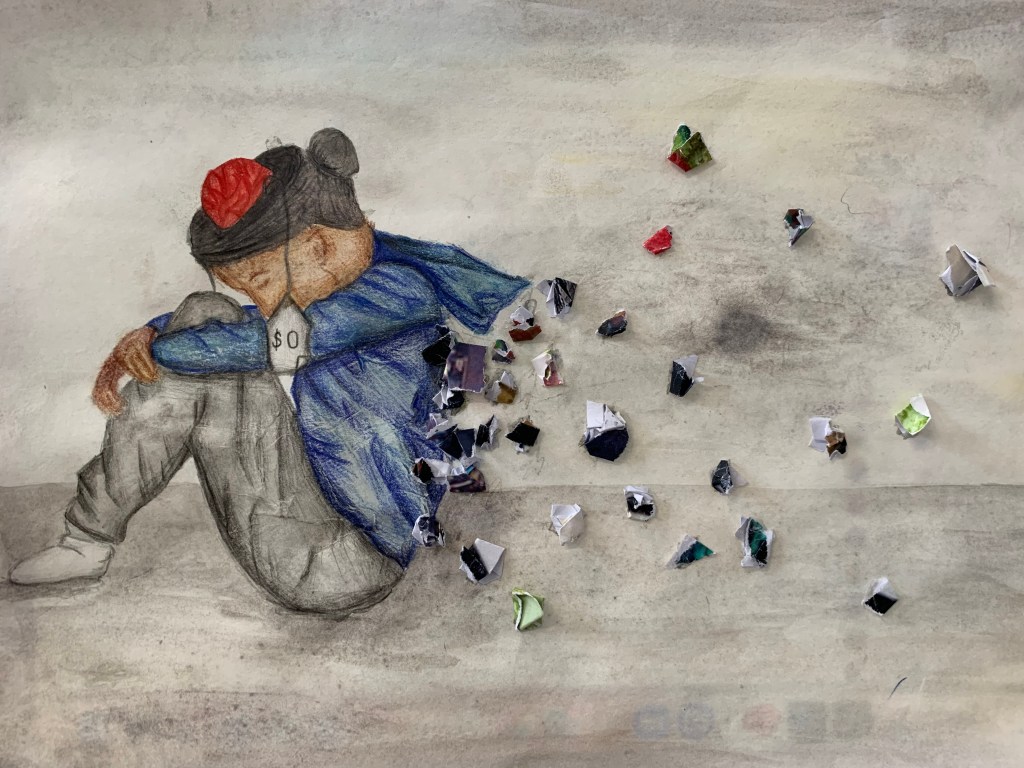


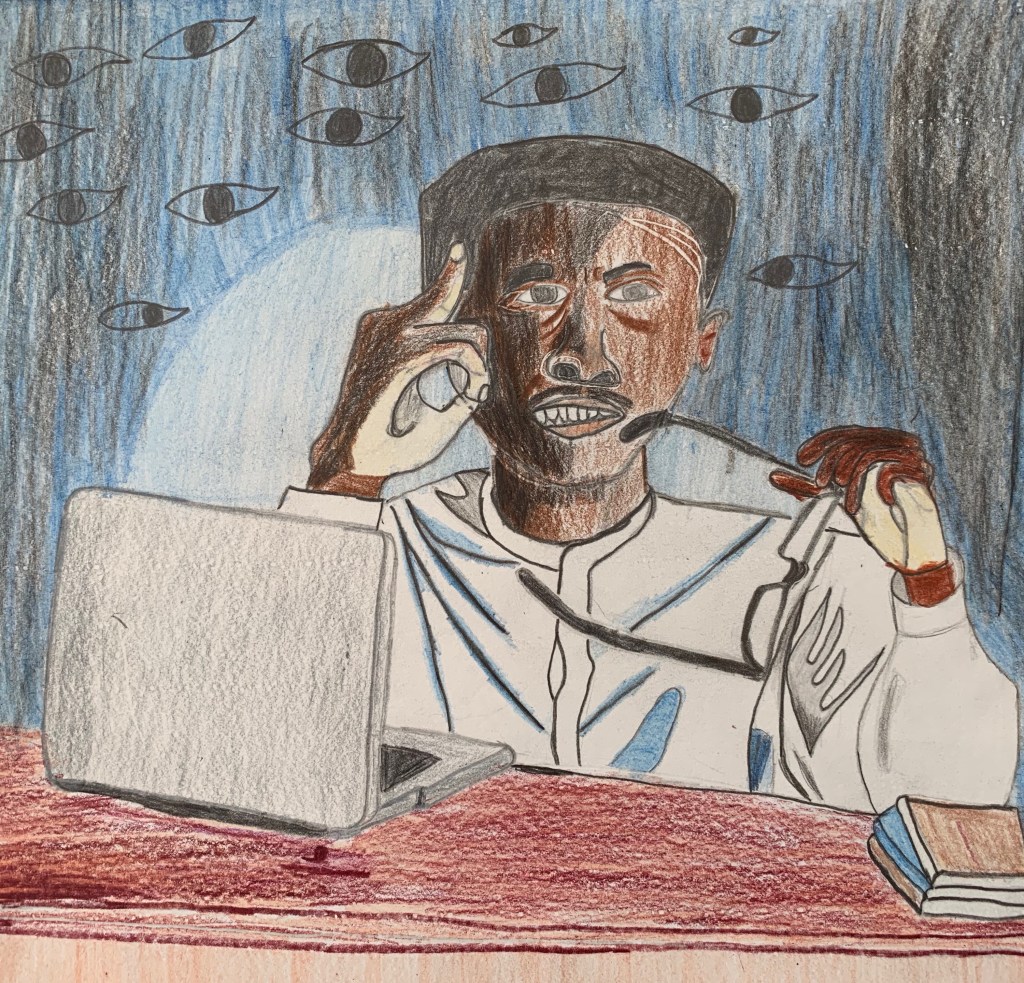
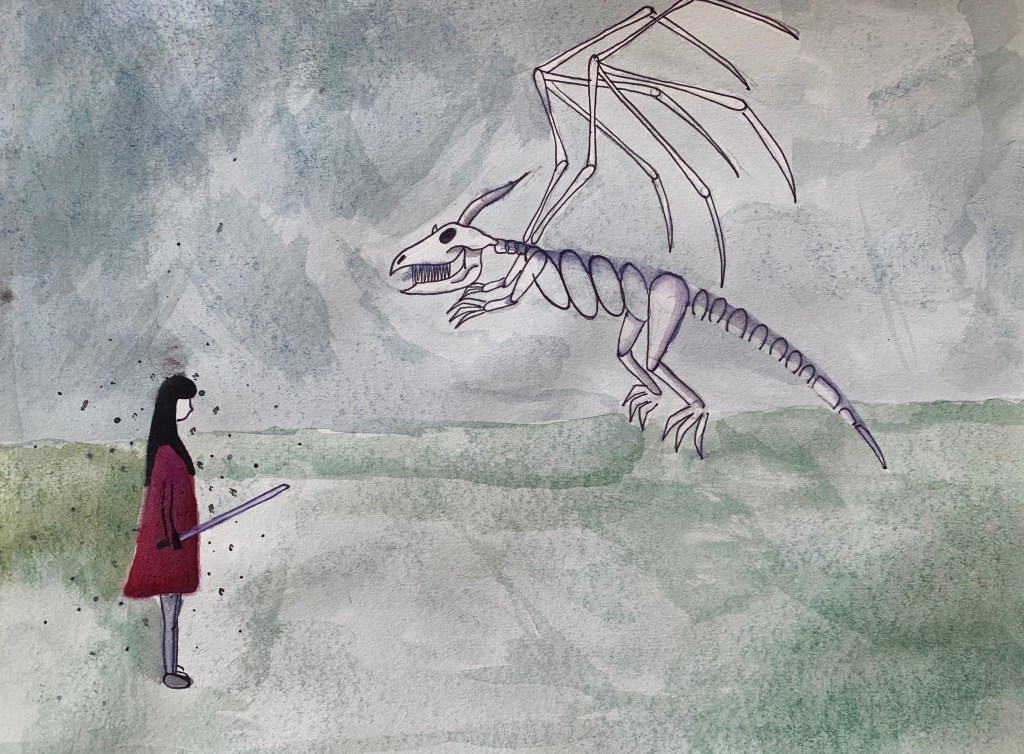
“What is Art?”, Drawing class, G7
In this unit, students were asked to photograph things around their house that could be considered “Art” in their view. These could include shoes, furniture, accessories, pillows, trinkets, textiles, glassware, etc. They then had to dissect sections from their photos and draw them into one image which overlapped. Looking at the overlapping ink drawings of Taiwanese artist Let Huang, the students used hatching and cross-hatching techniques to complete their works.
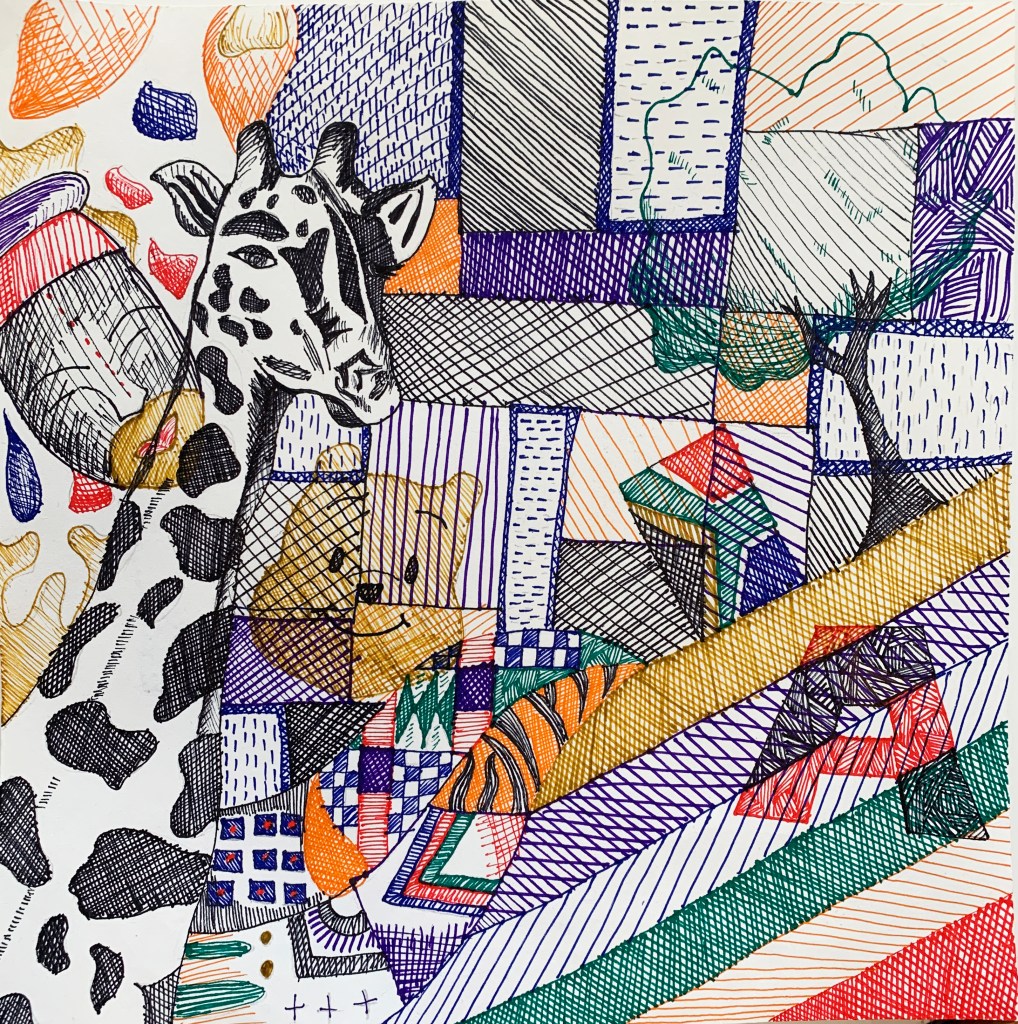

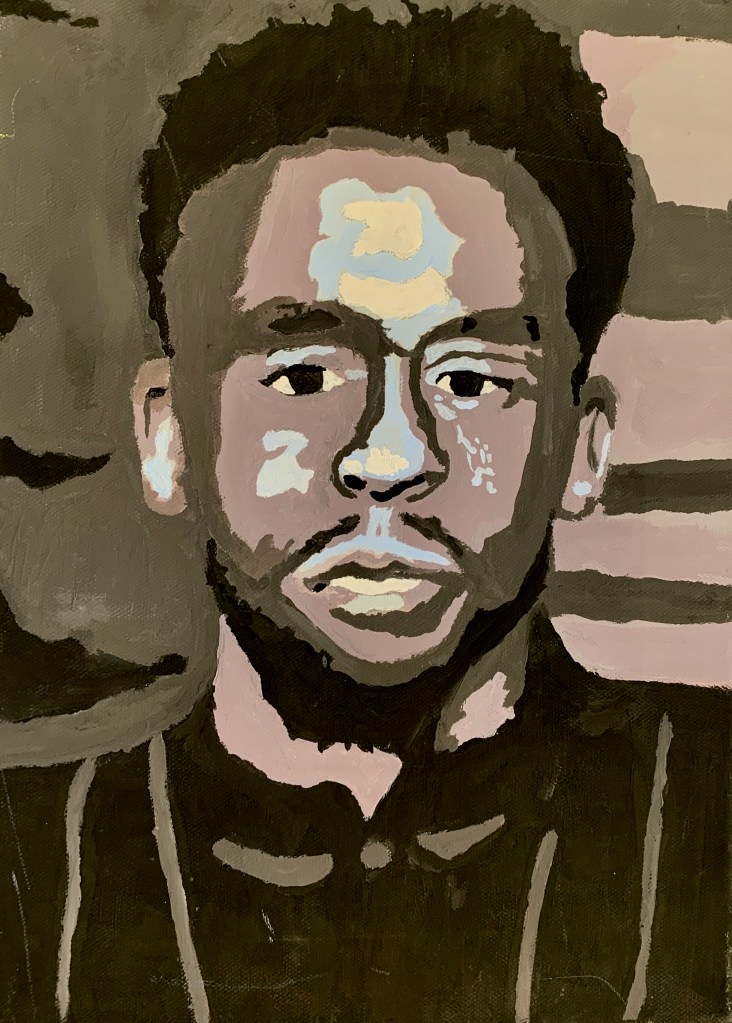
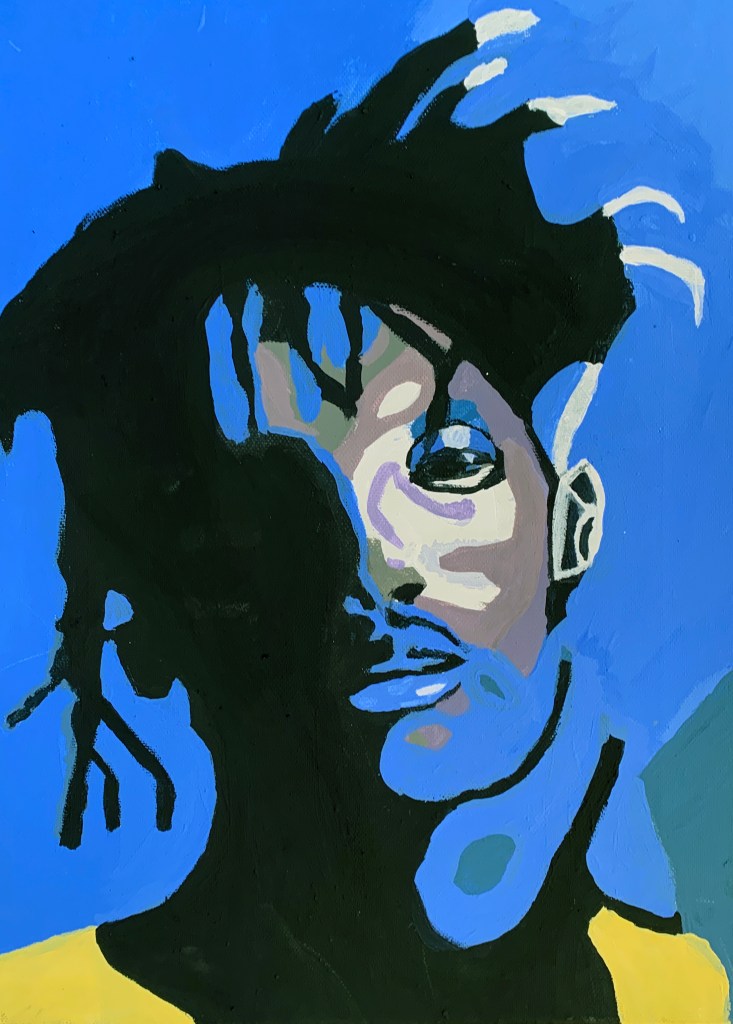
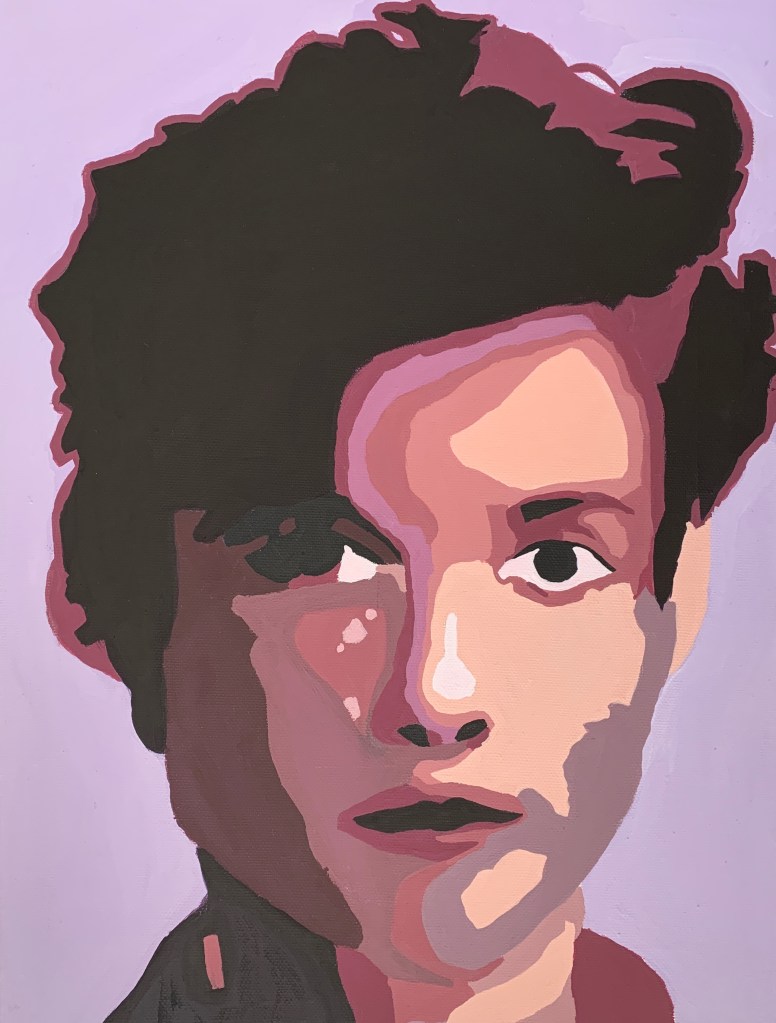
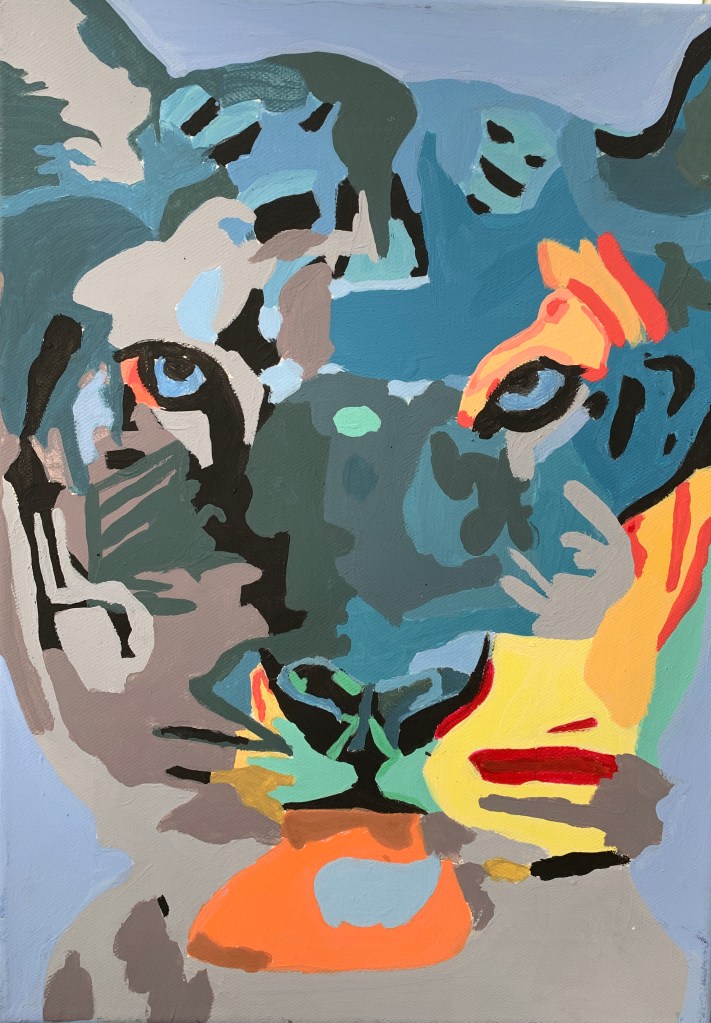
“Pop Art Painting,” Painting class, G7
In this unit, students looked at the works of Andy Warhol. Students could choose between doing a self portrait, a portrait of a celebrity or an animal portrait. Using the grid method of drawing, students drew their image on canvas and using primarily Monochromatic Colour Harmonies, painted their works in Acrylic.


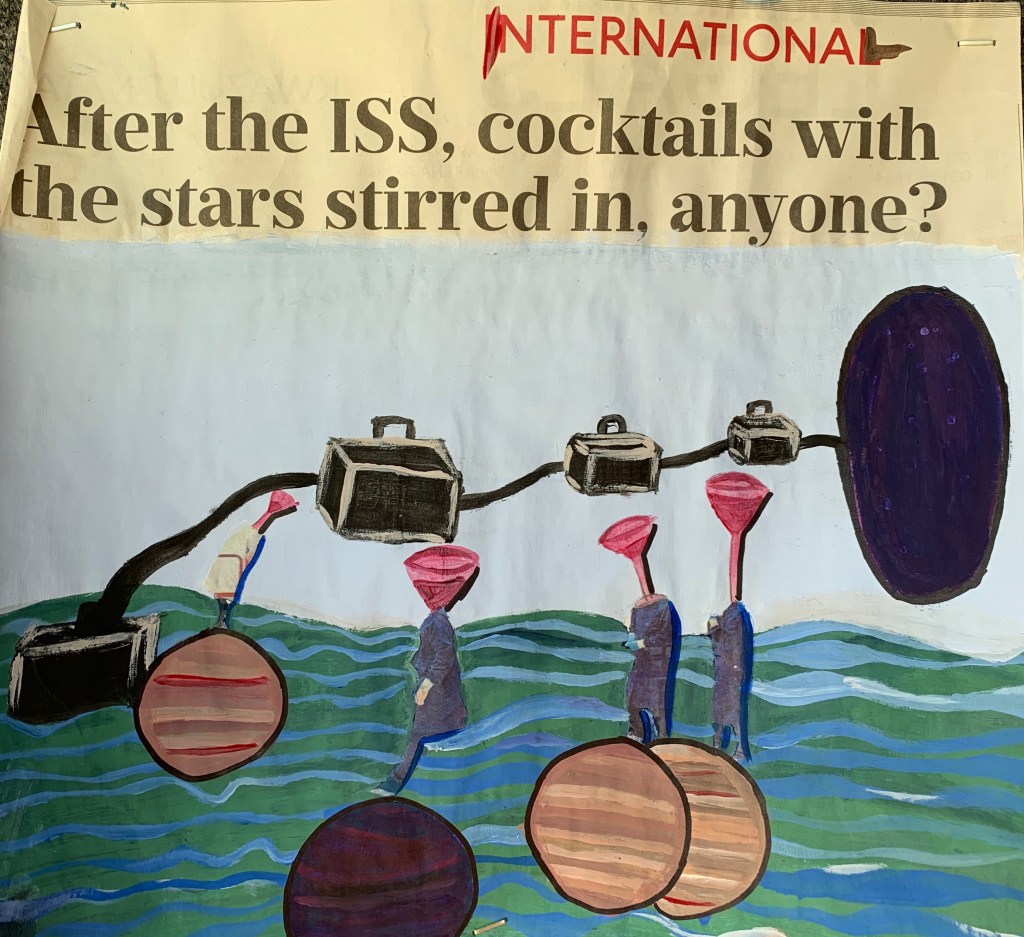
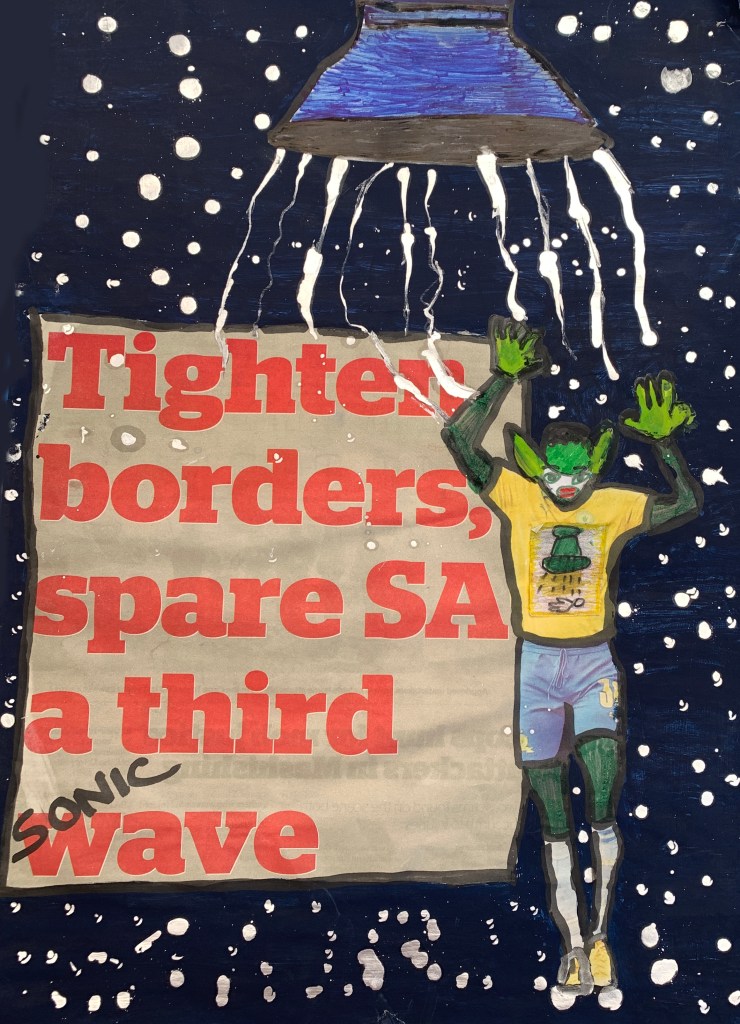
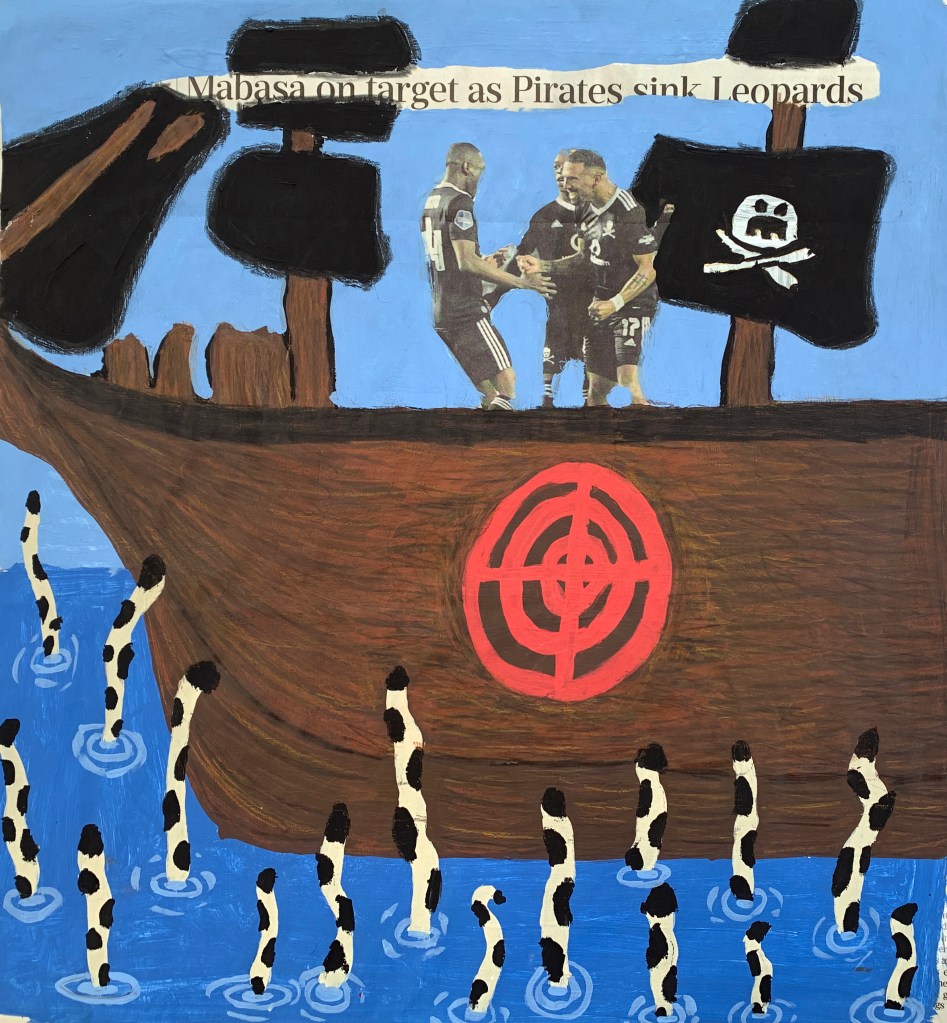
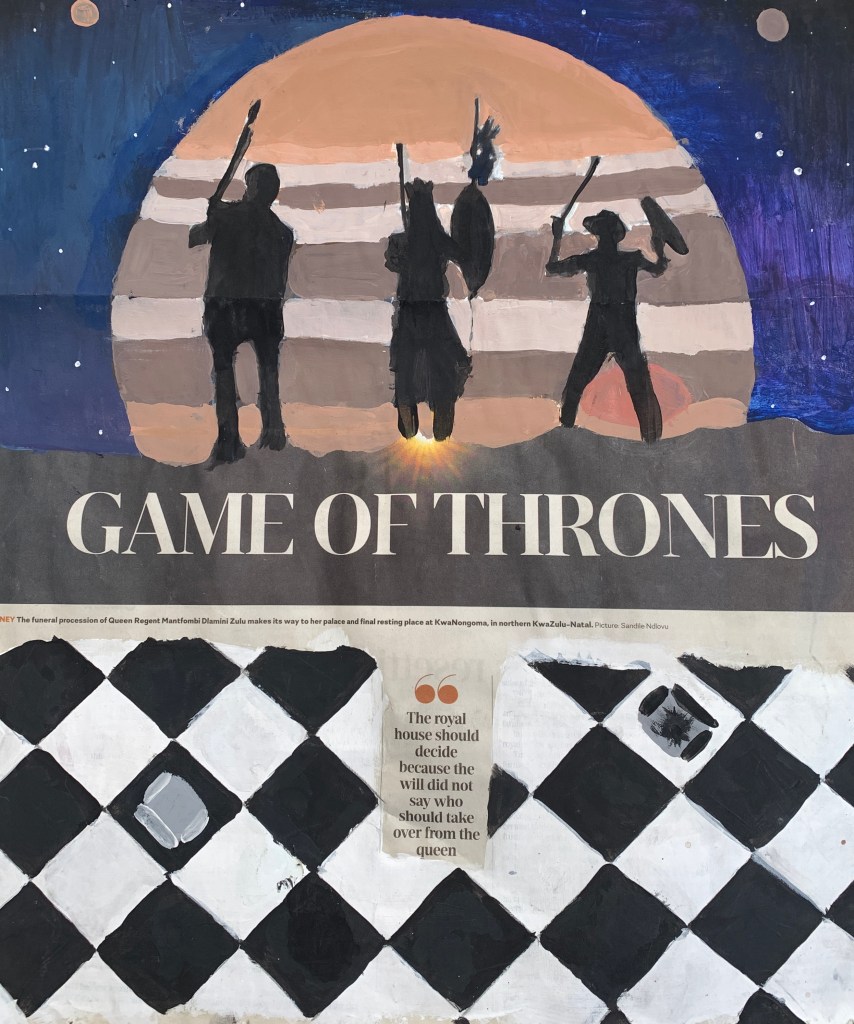
“Newspaper Alteration Paintings,” Painting class, G7
In this unit, students looked at the works of Fred Tomaselli. Tomaselli alters the front page of newspapers with collage and paint. Students were given a series of newspapers and could choose the headline and image they wanted to work from. This unit asked the students to look at the text closely and to re-interpret it through their alteration of the image.
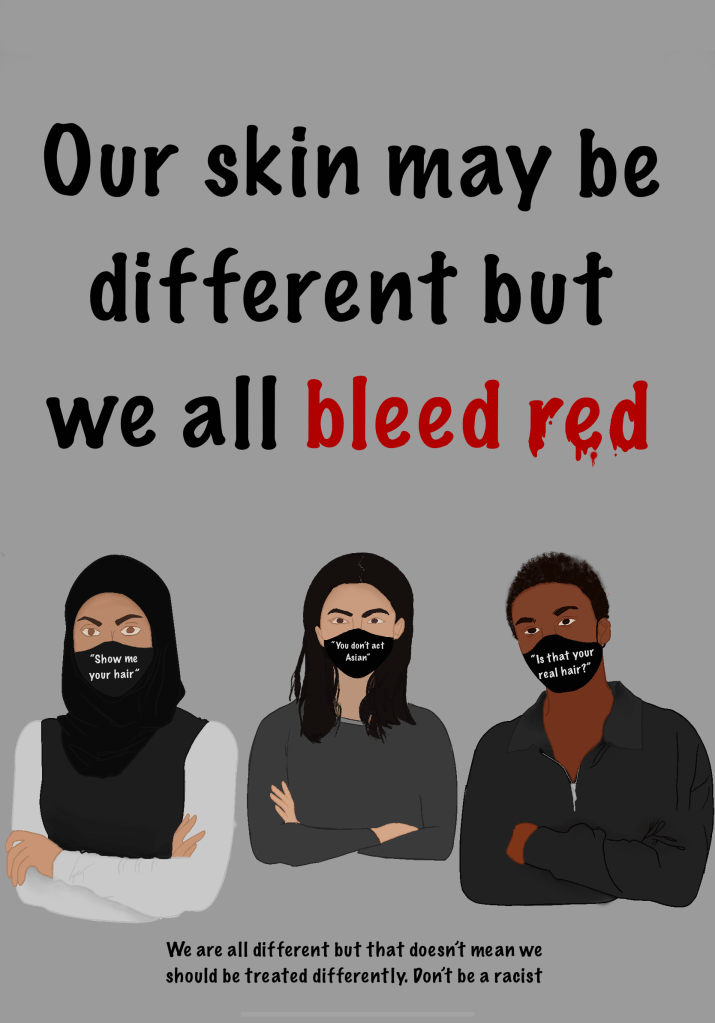
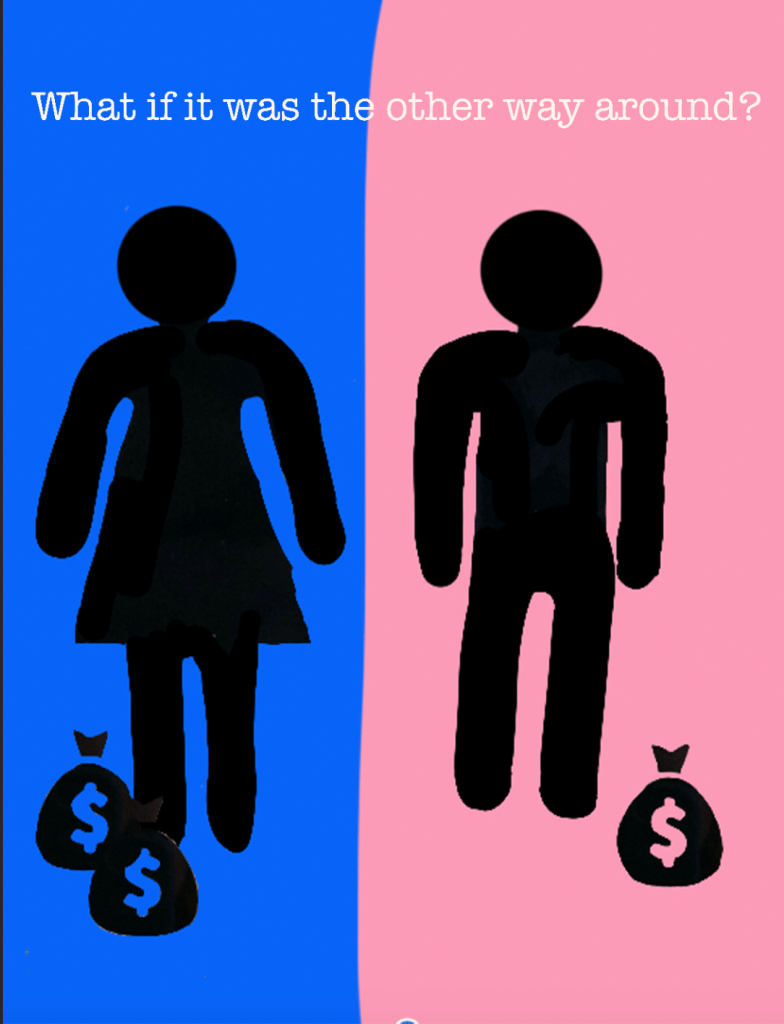
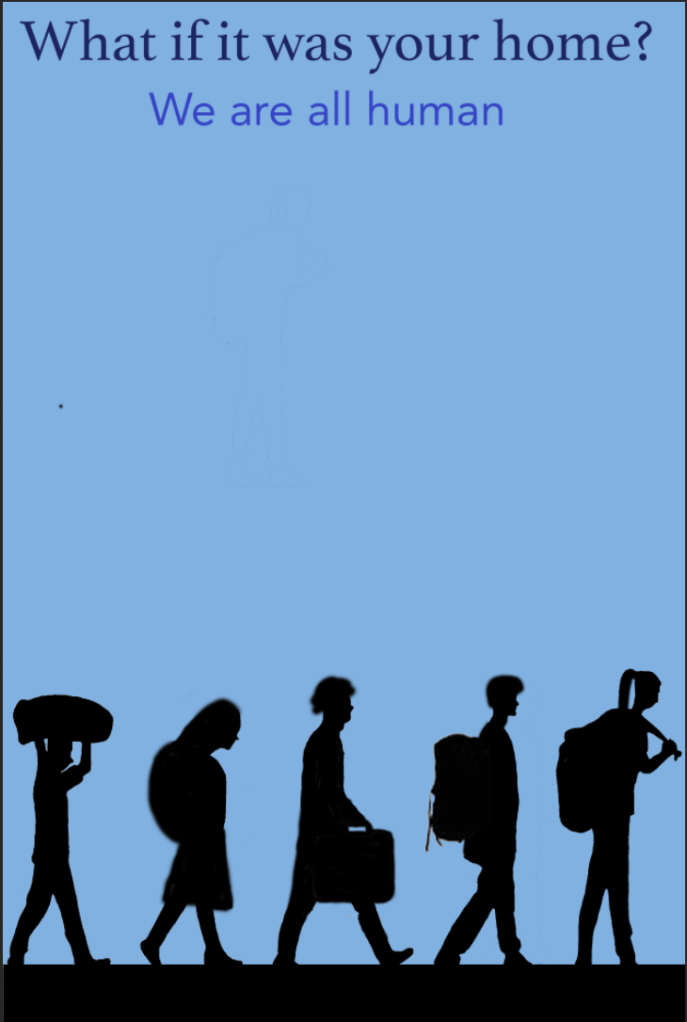
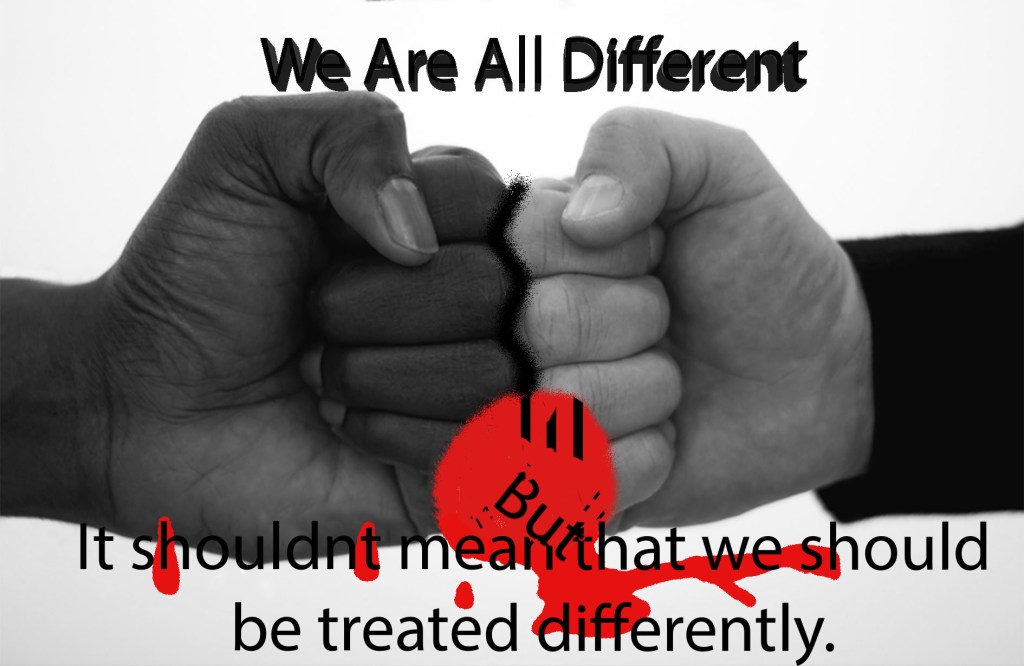
“Social Issues Poster Design,” Colour and Design class, G7
In this unit, students used Photoshop and designed posters based on a Social Issue they had researched. They used the five components of Visual Hierarchy; Scale, Colour, Contrast, Alignment and Proximity.

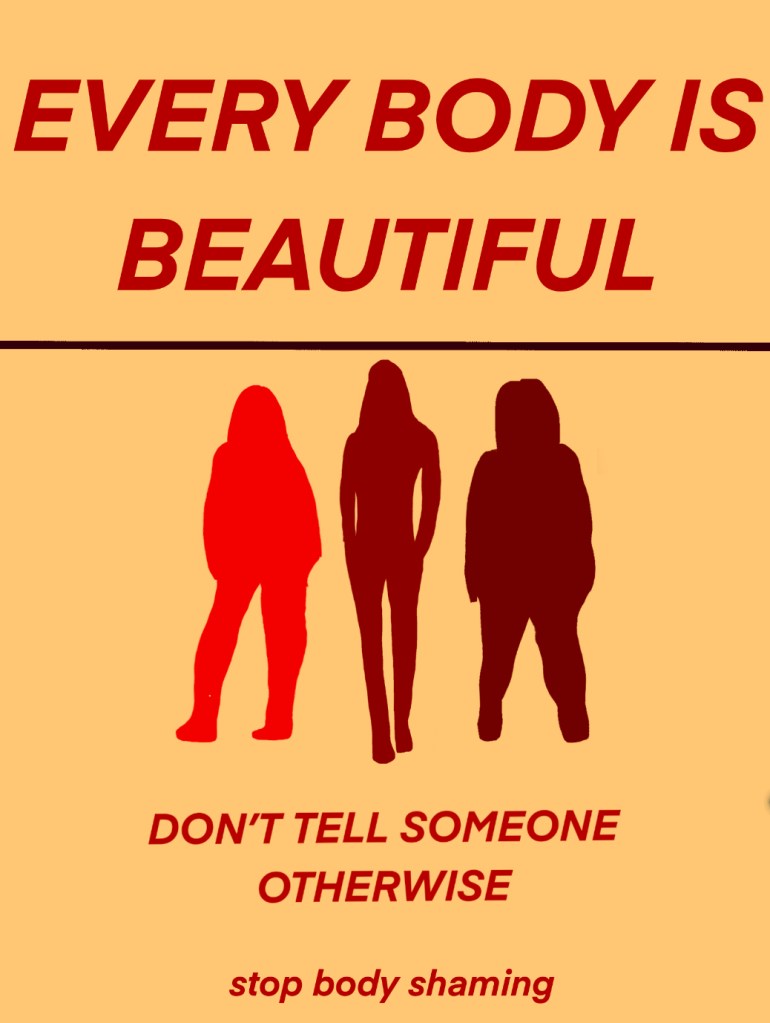
“Symbolic Colour Studies,” Colour and Design class, G7
In this unit, students drew the silhouette of a symbol that they felt best represented their personality. Upon drawing this symbol on 4 small papers, the students then had to use Zentangle patterns and Colour Harmonies to complete them. Using the Colour Wheel, students painted them following these directions:
- Black and White (emphasis on Contrast), 2. Primary or Secondary Colours, 3. Complementary Colours, 4. Tertiary Colours.

“Surface Pattern Designs,” Colour and Design class, G7
In this unit, students took a photo and created colour swatches by matching its colours using acrylic paint. They then drew designs using surface pattern design methods and painted them by using the colour swatches they’d created.
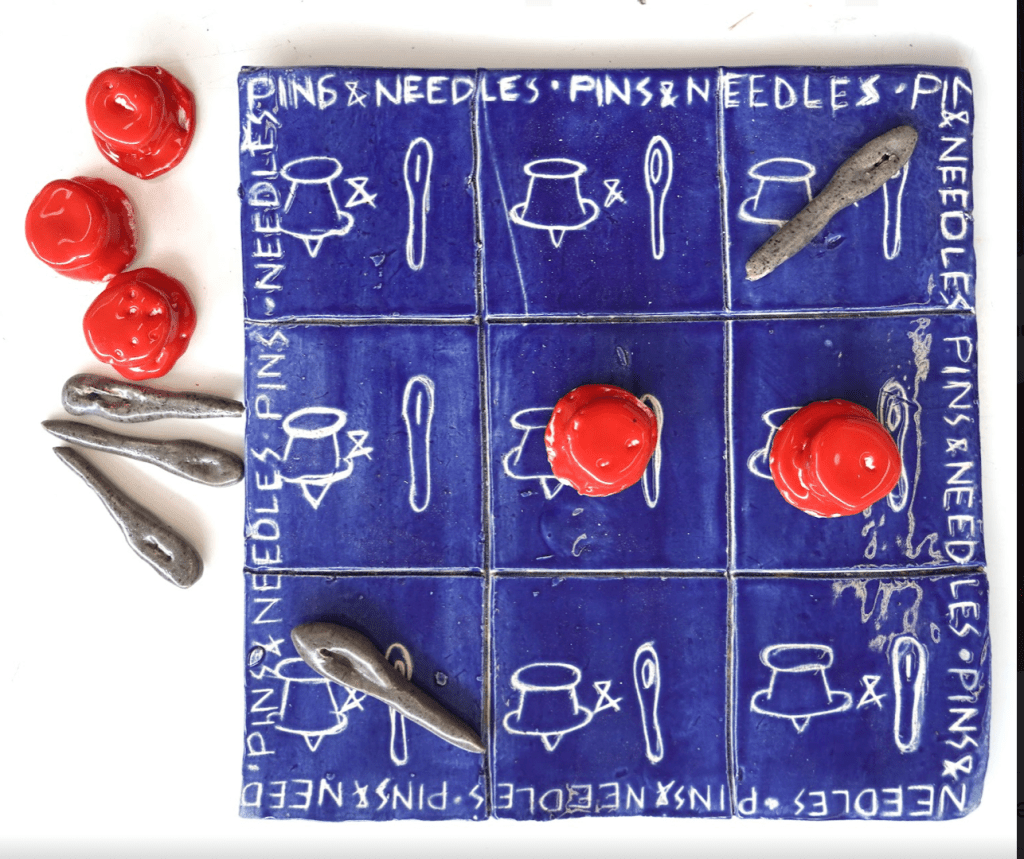
“Tic Tac Toe,” Ceramics class, G7
I did this unit with my students while they were under Covid 19 Lockdown. My goal in this unit was for students to create something that required them to repeat steps, so that they were not attempting too many new skills that could overwhelm them. My attempt at differentiation here was quite successful. Students created tic tac toe games that allowed for a lot of choice and creativity.

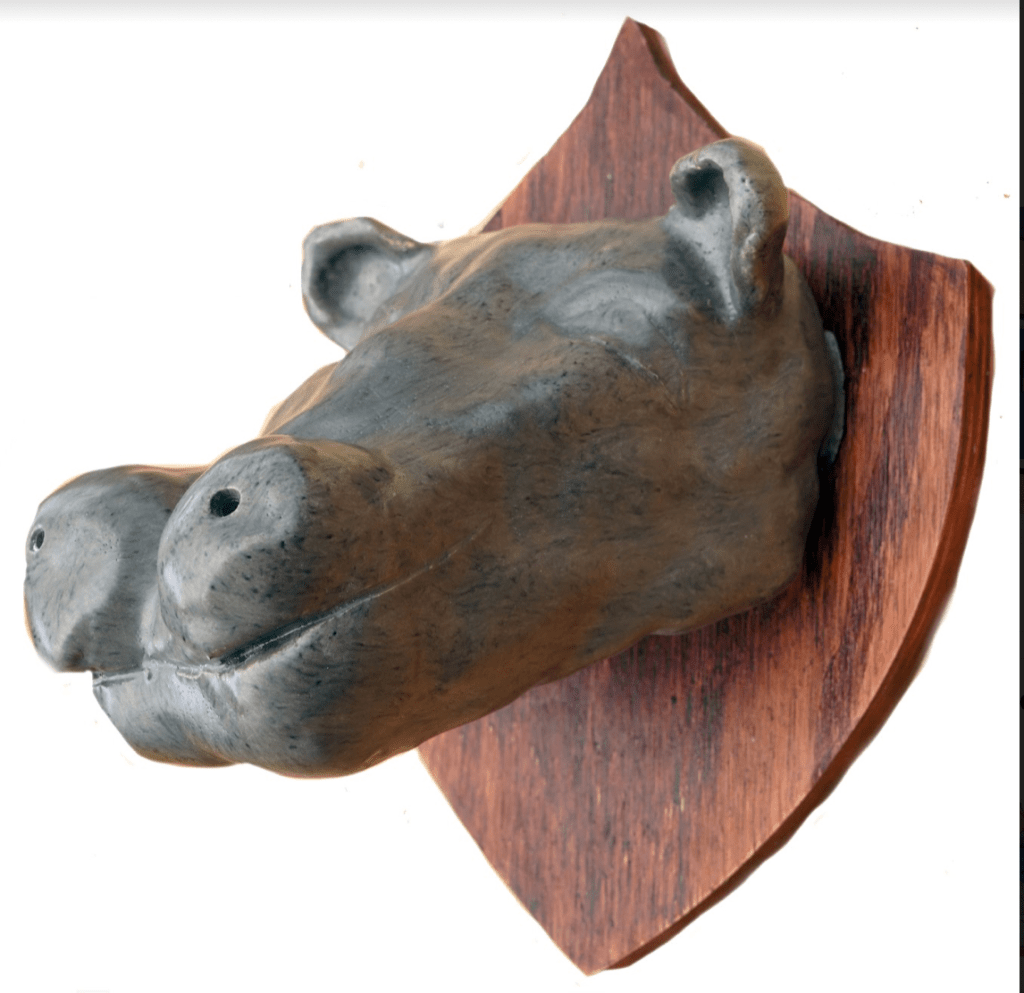
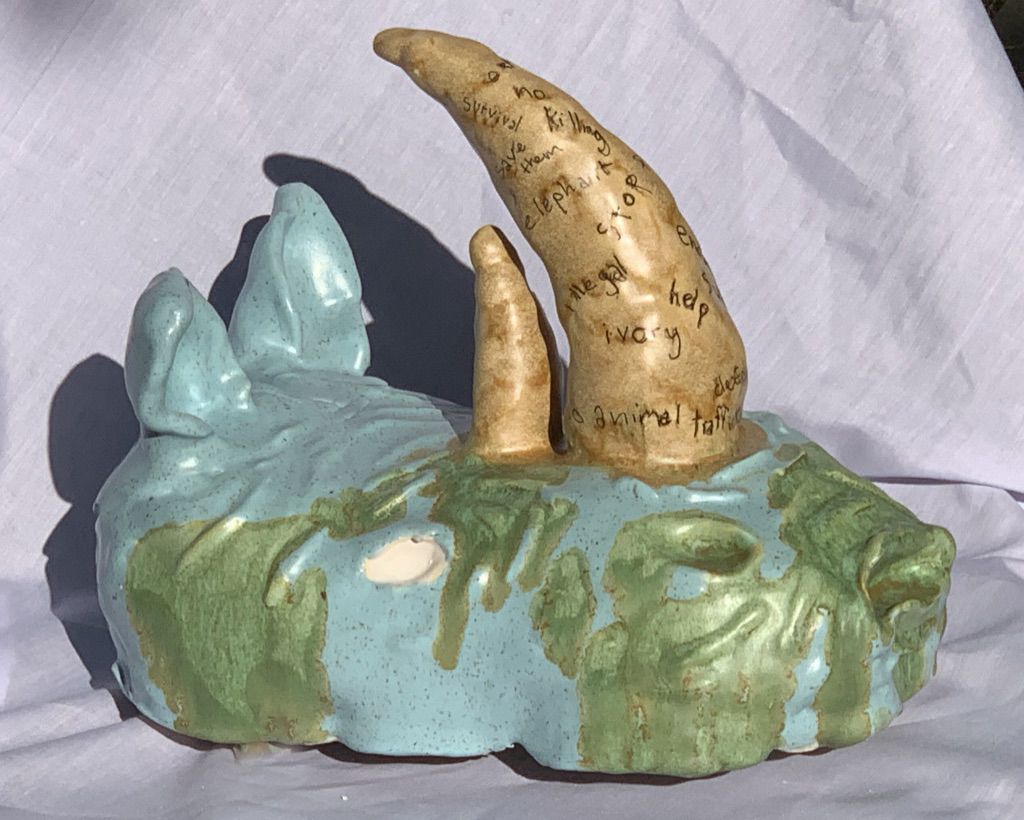
“Animal Head,” Ceramics class, G8
Students sculpted animal heads from clay. Being that we live in South Africa, my goal was for students to look closer at the animals in their environment.
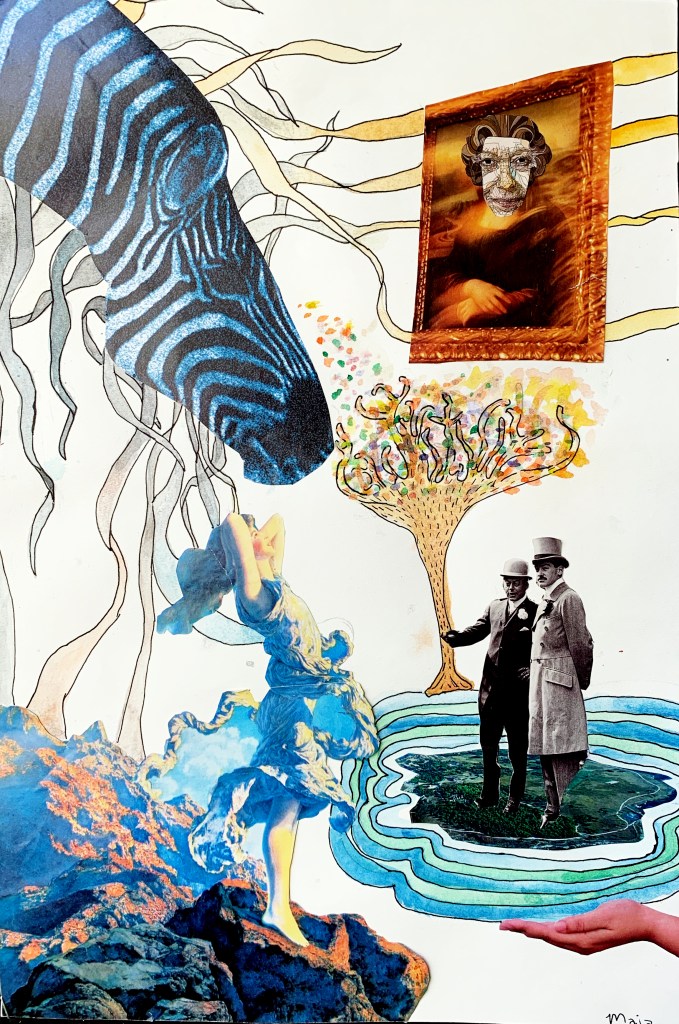
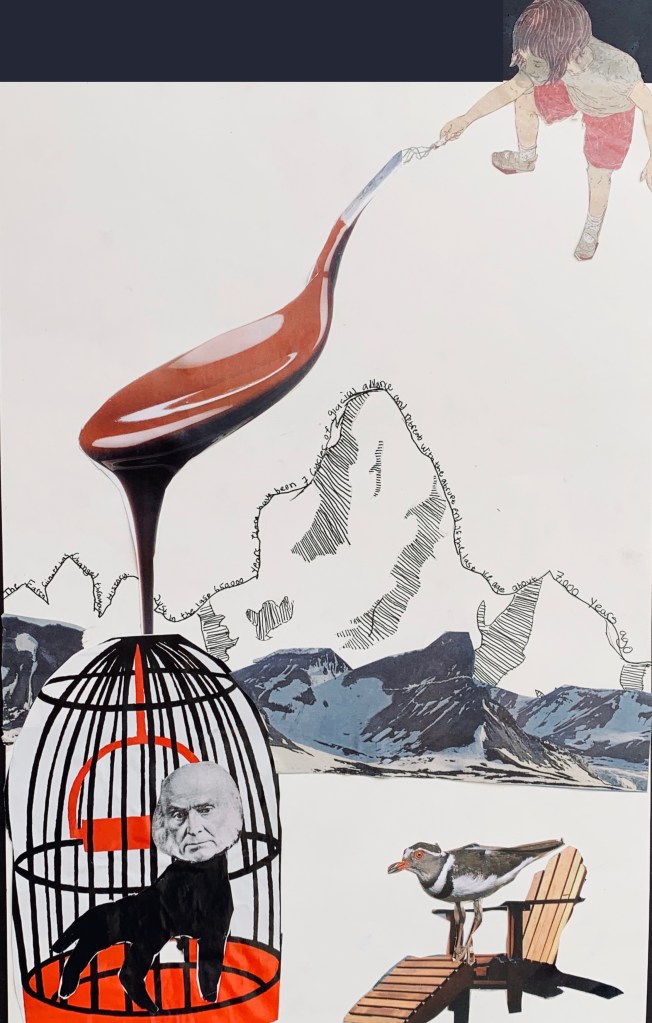
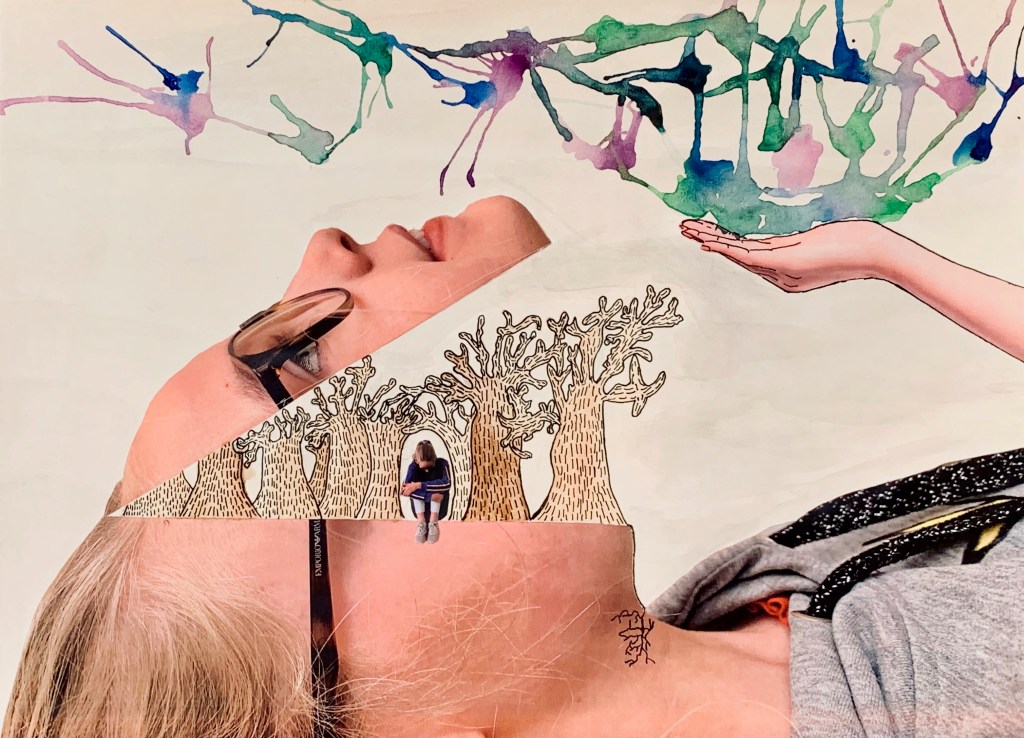
“Surrealism,” Open Studio class, G7
Looking at the Surrealist works of Salvador Dali, Rene Magritte and Marc Chagall, students use both collage and drawing media to complete their own Surrealist piece. Each student chose a theme to base their work around.
“Choice Piece,” Open Studio class, G7 and G8
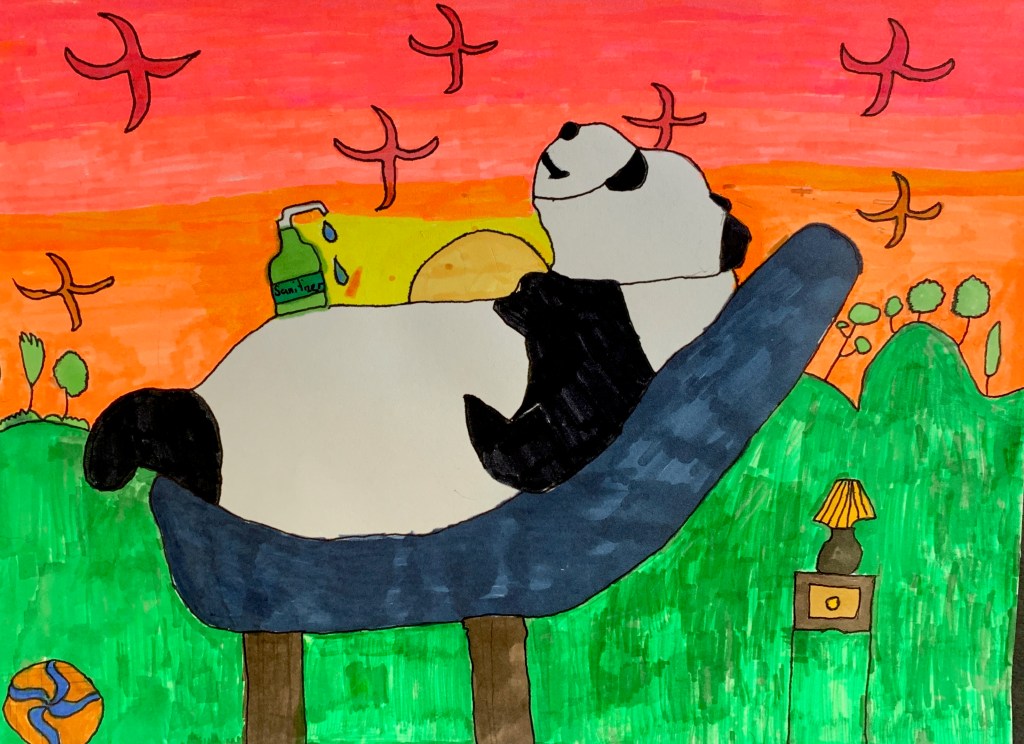
In this class, students are given plenty of “Choice Boards” which give them options for what they can create. Within the 4 choices on my boards, I provide opportunities for differentiation, so that the students who desire the most challenging artists and techniques can be challenged, while those who struggle can also find success. Below is one such Choice Board. Students must have 3 things in whatever they create: 1. Artist influence. 2. Communication of a concept/context 3. Creativity.
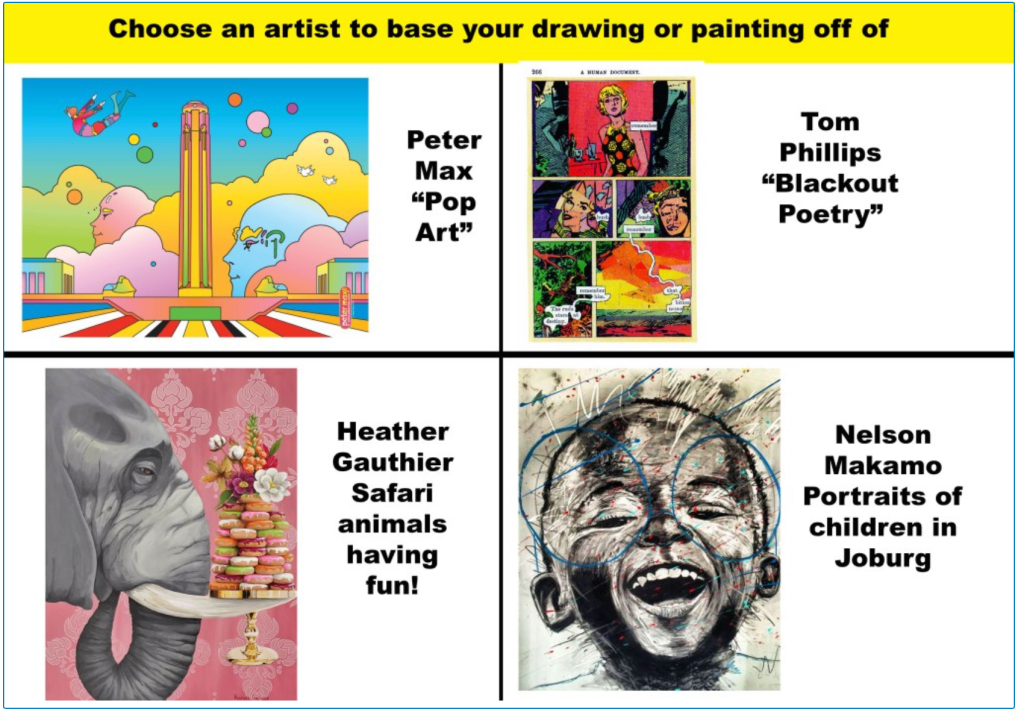
EXAMPLE:
“Human Rights Collaboration with S.S.,” Sculpture class, G8
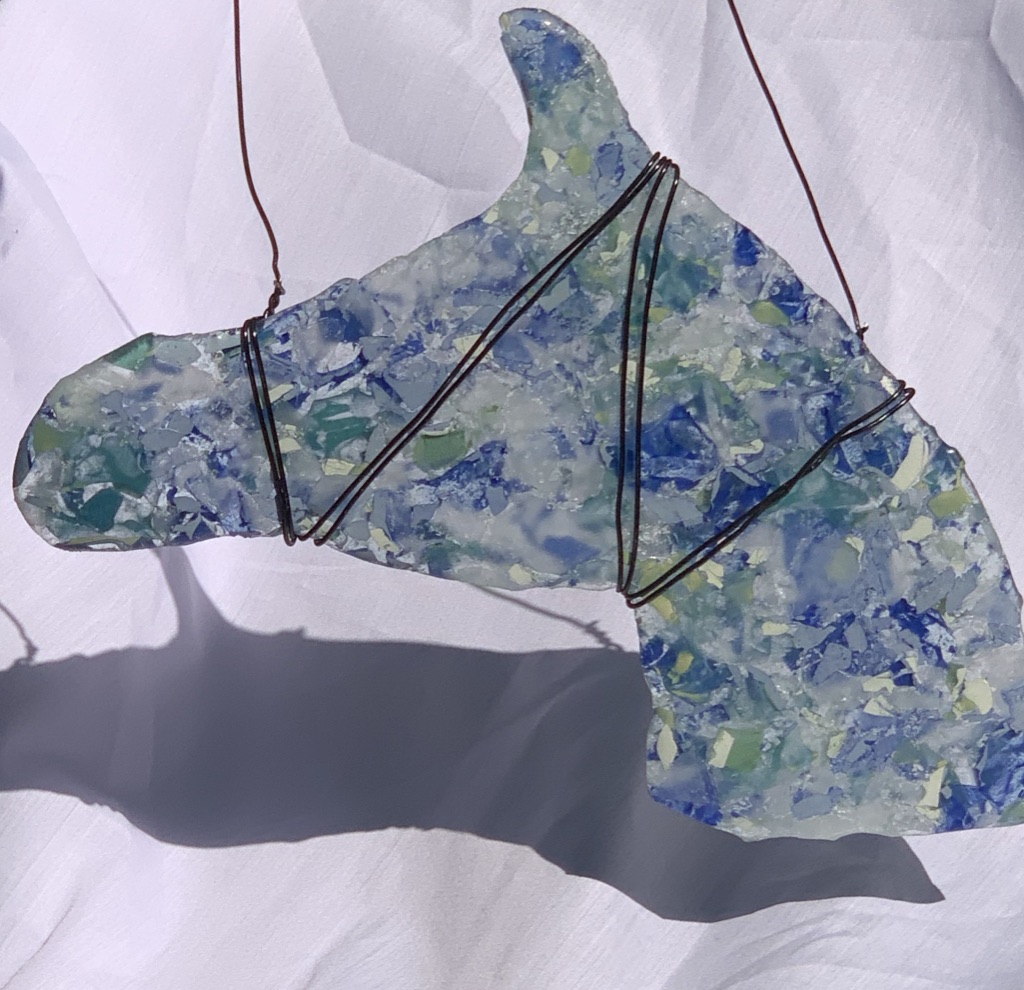
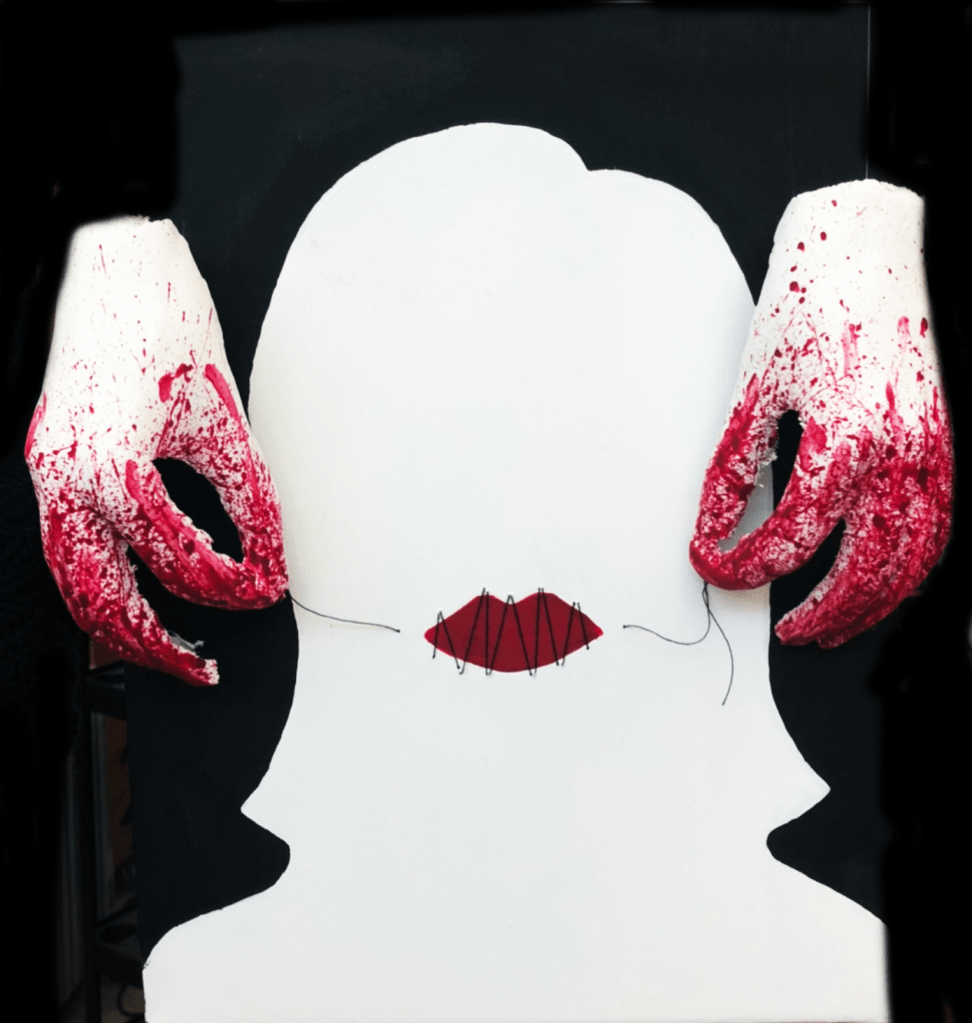
In this unit, I collaborated with the S.S. teacher. He was covering Human Rights and Conflict in his class and I wanted to elaborate on this in my class. Students chose a Human Right they’d been studying, or wanted to study, and they created sculptures and art installations based on this. The students looked at sculptural and installation work by artists Tracey Emin, Column McColumn and Ai Wei Wei.
“What’s Your Style?,” Open Studio, G8″
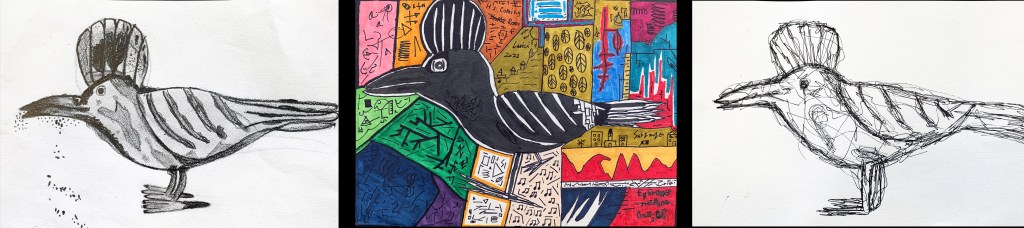
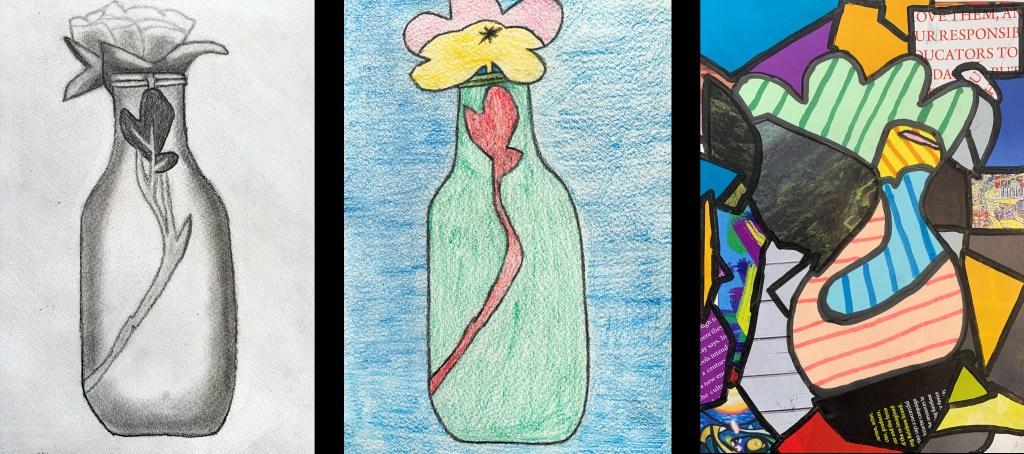
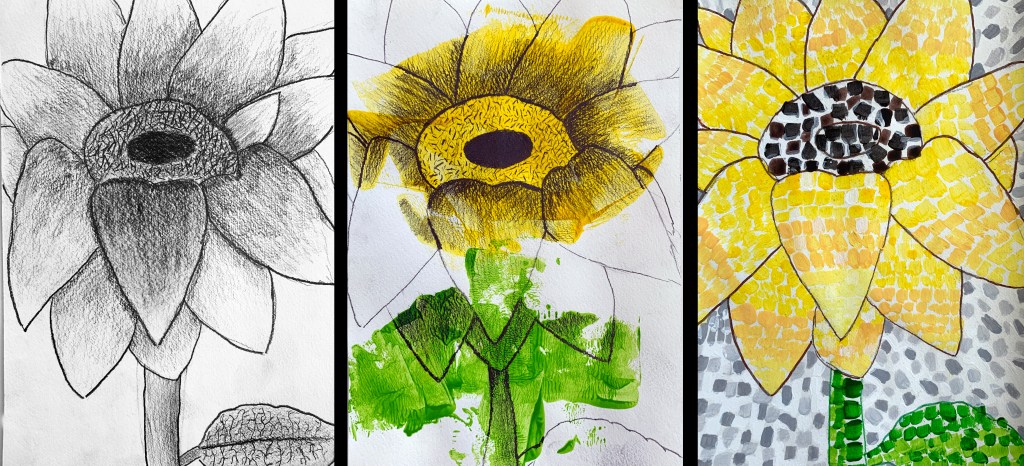
In this unit, students were asked to choose either a portrait or an object and to draw it from observation.I showed them observational drawings by Jim Dine, Kathe Kollwitz and Chuck Close. Upon completion, they were given 16 artists to choose from and asked to choose two of them. They then recreated their portrait or object through the styles of those two other artists.
These were their choices of artists:
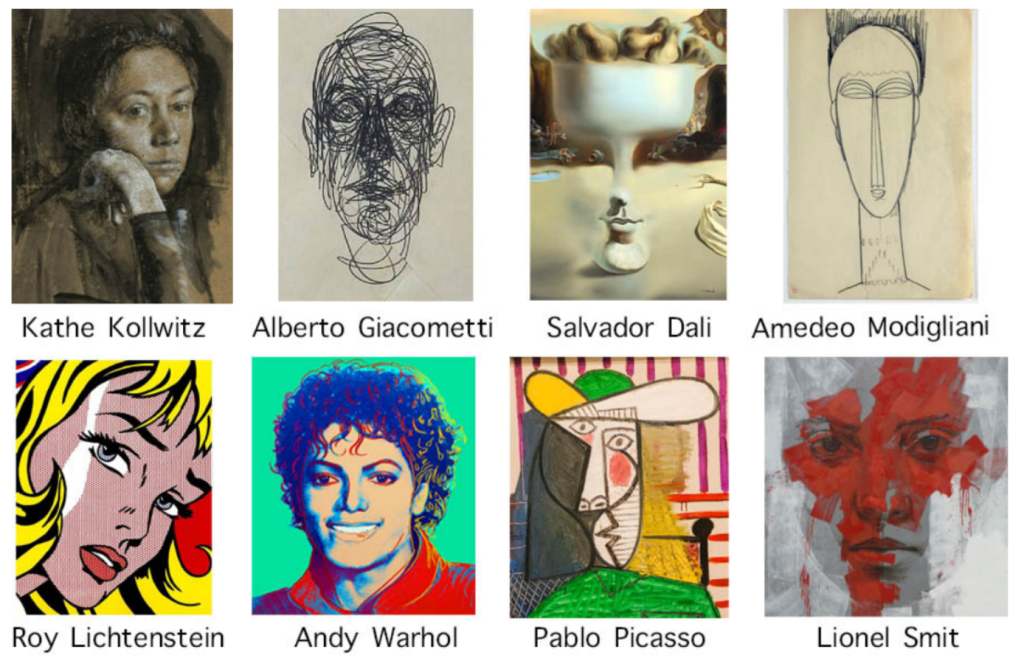
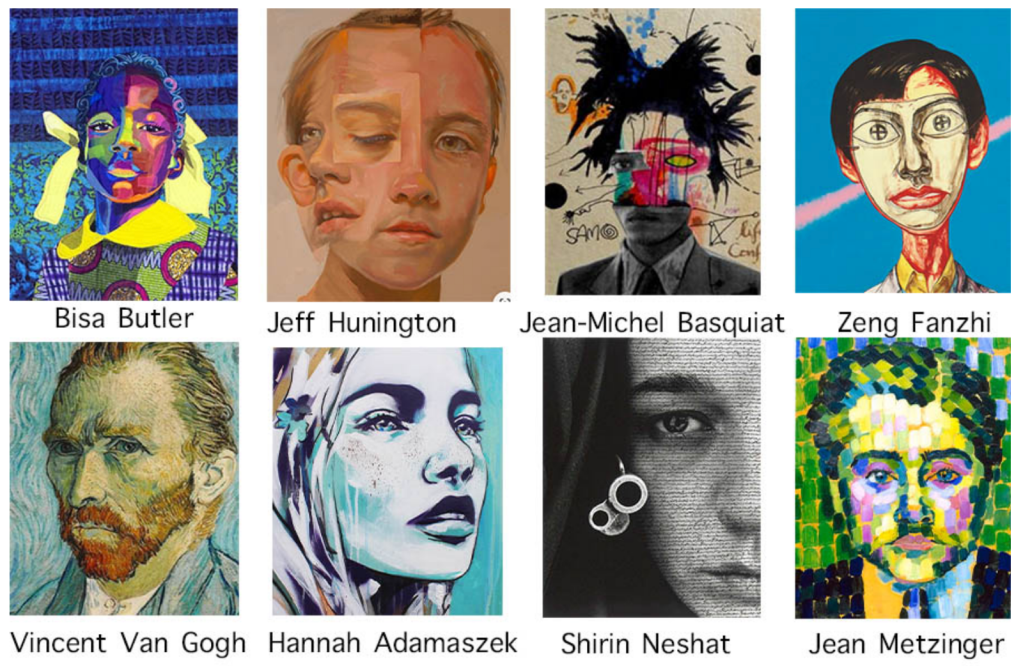
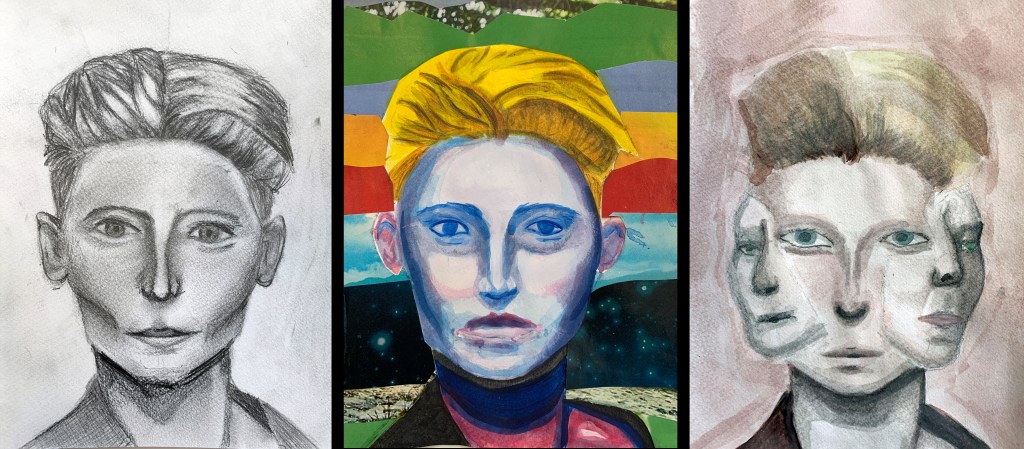
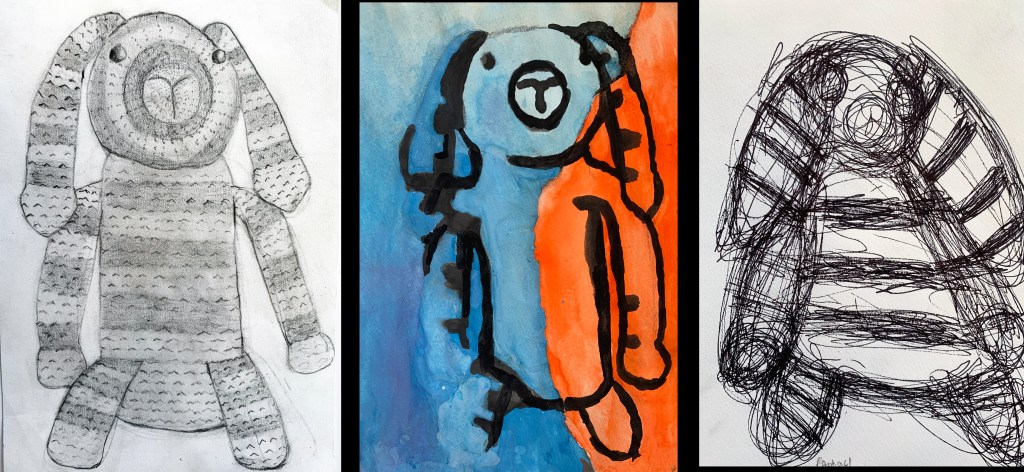



“50-50,” Drawing class, G8
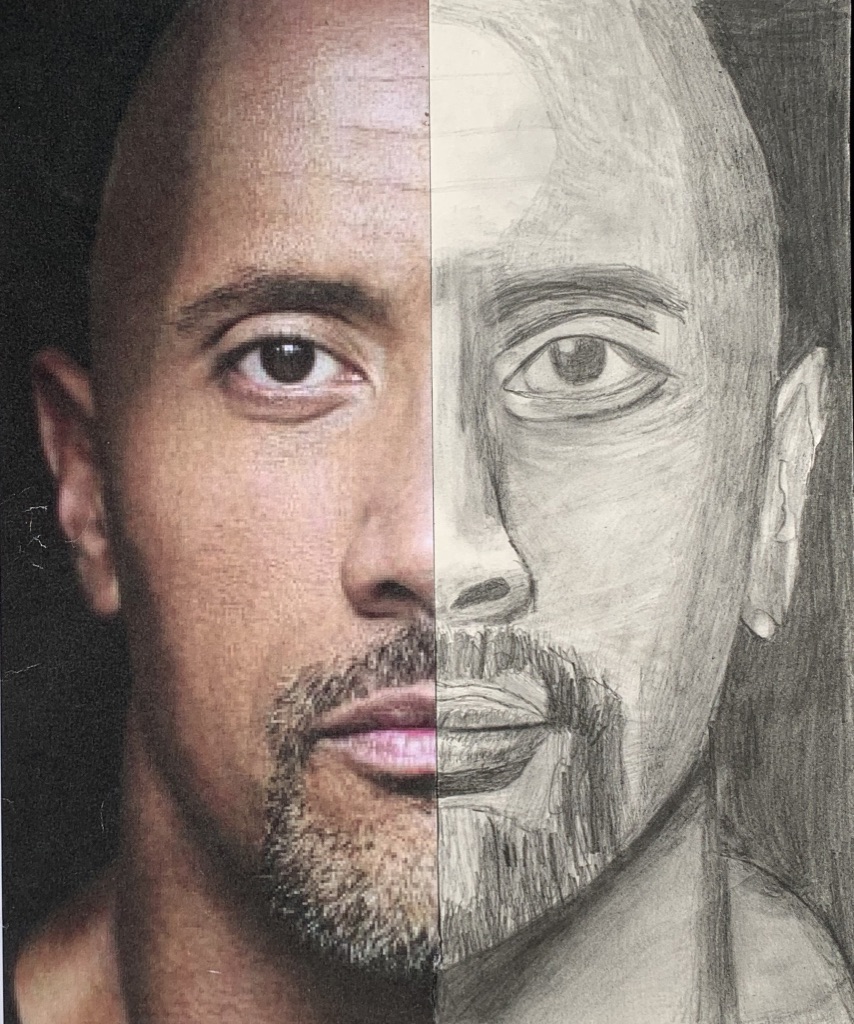
Students choose an image, cut it in half, and draw the other half. This is challenging because students have to be very aware of the symmetry in their works.
“Appropriation Paintings using a Theme” Painting class, G8
Students chose a famous painting and appropriated it after choosing a theme. Some chose themes based on personal interests, some on Social Issues. Artists they chose from included Rene Magritte, Merikokeb Berhanu, Takashi Murakami, Eduardo Lima, Grayson Perry, Franz Marc, Paul Ndema, Cosmas Shridzinomwa, Vinka Shonibare, Peter Wooldridge, Pablo Picasso, Salvador Dali…
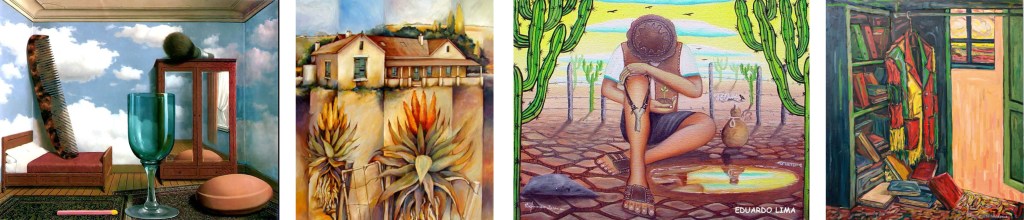
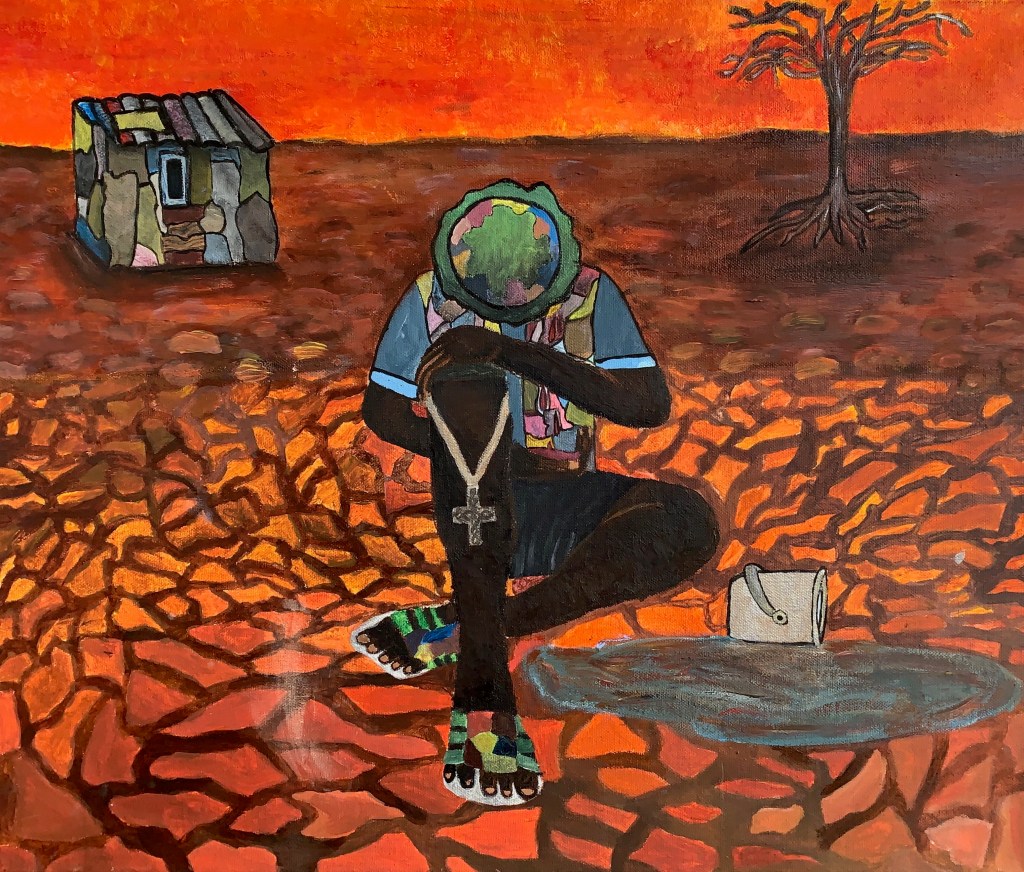
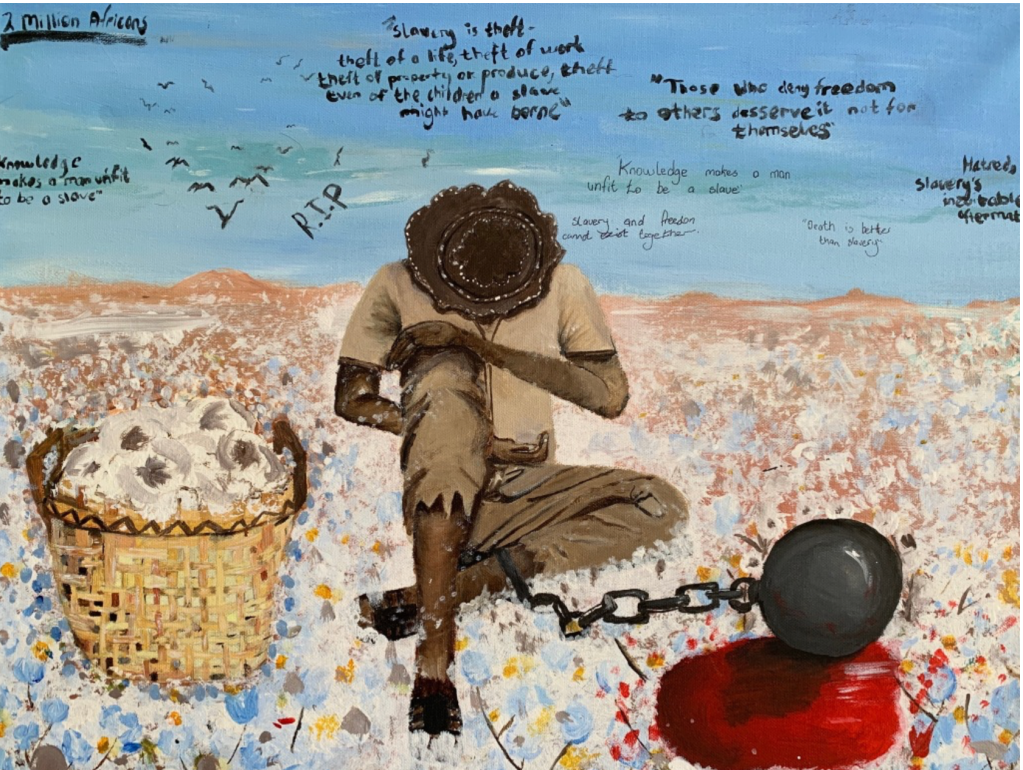
Social Issue; “Slavery, ” Appropriation of Eduardo Lima’s painting, “Untitled.”
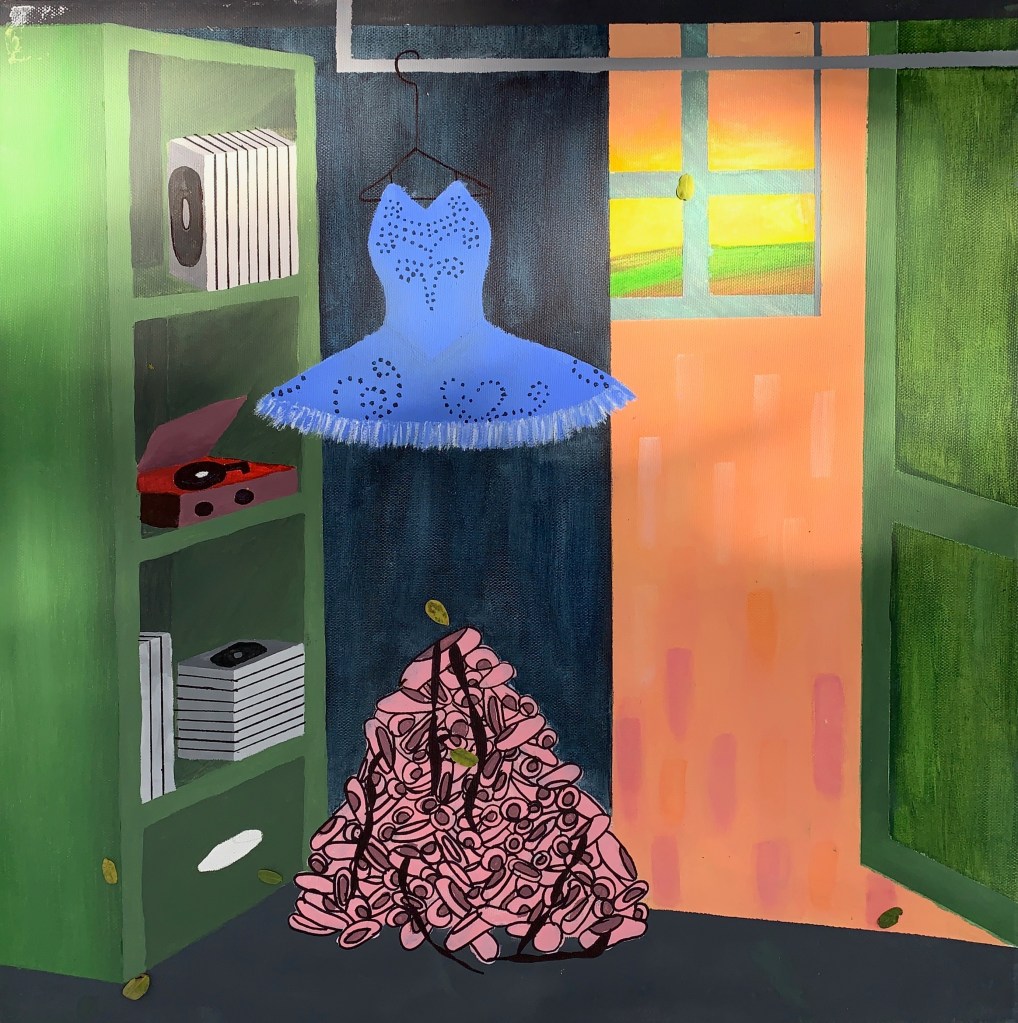
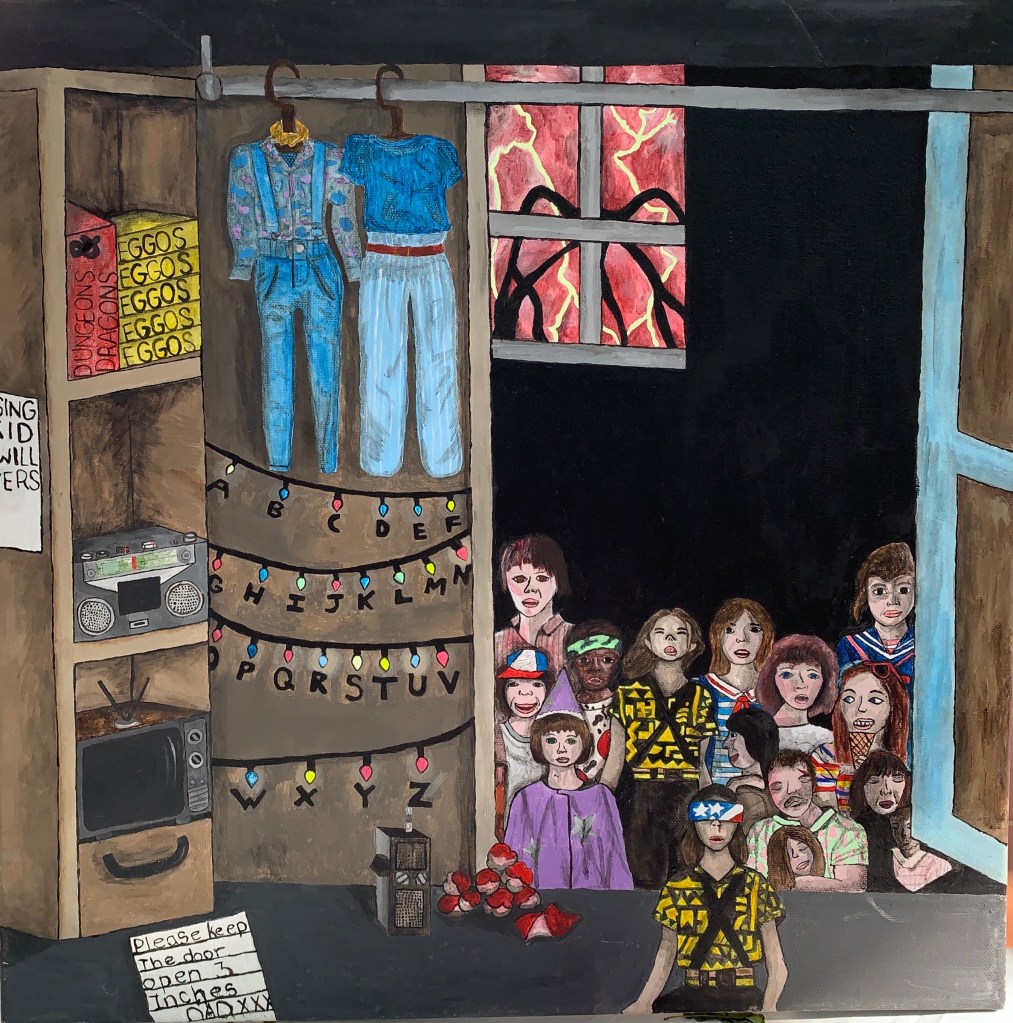
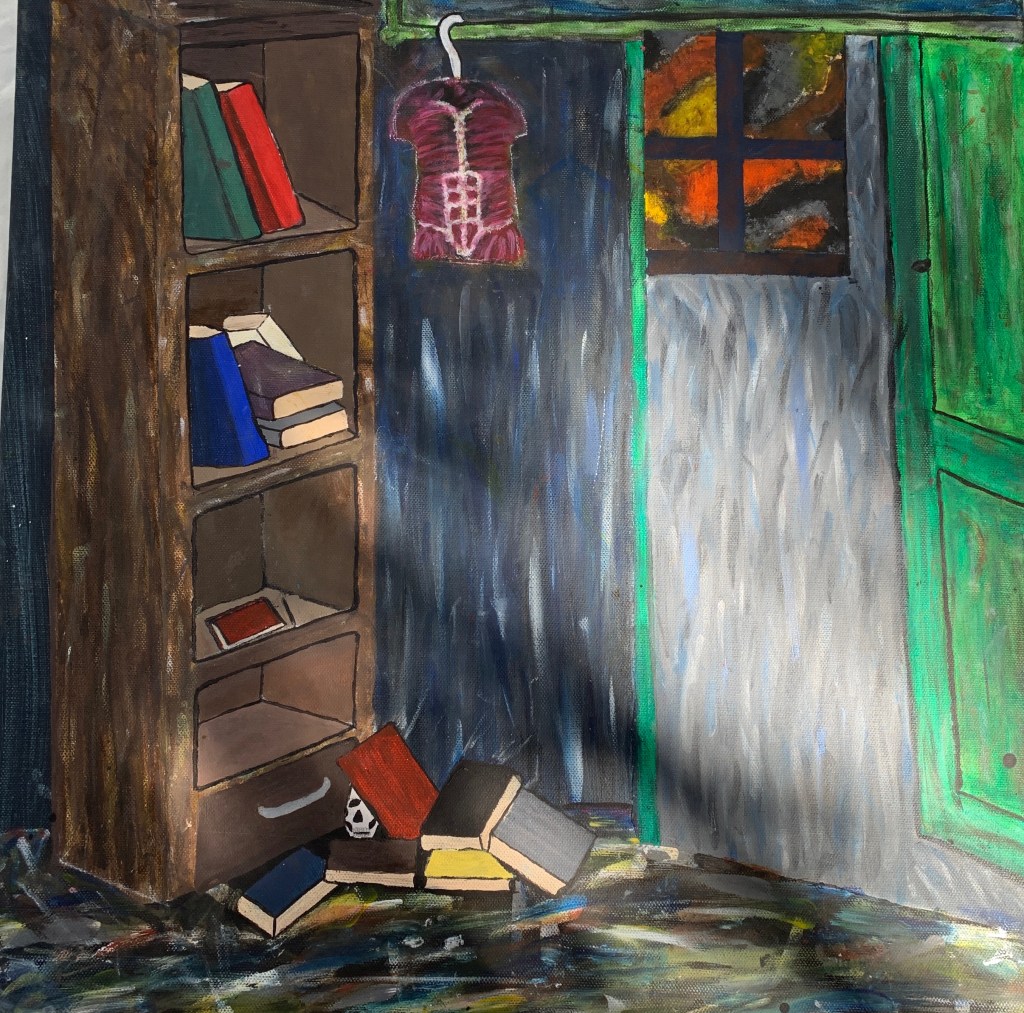
“Mugabe’s Closet.”
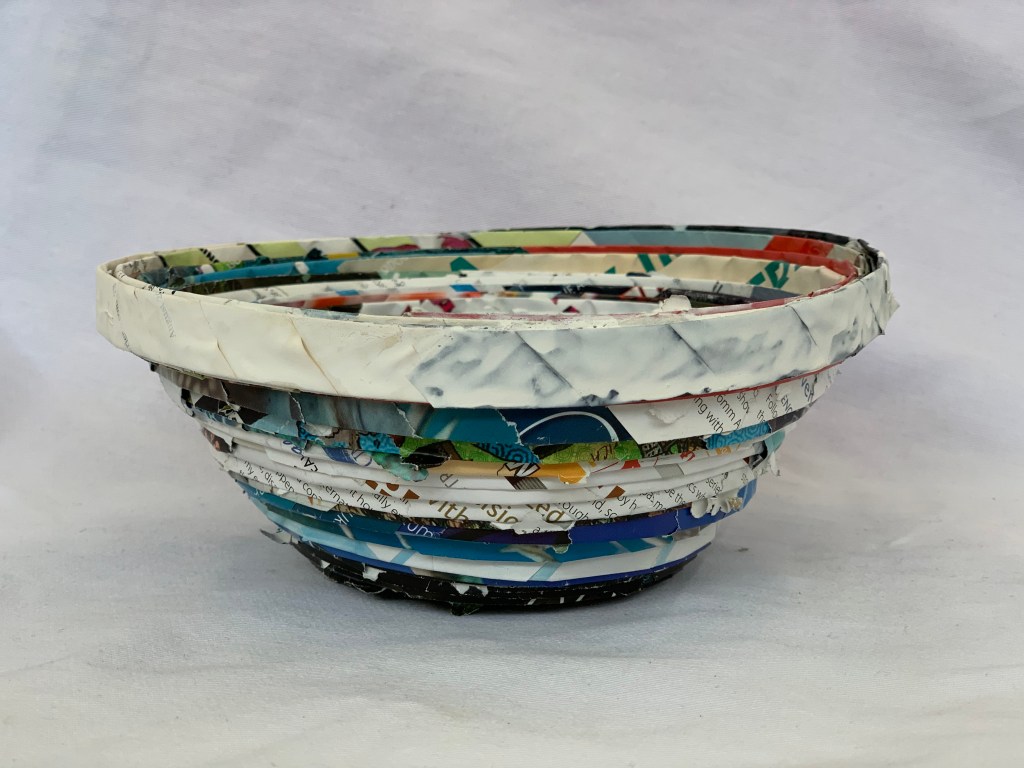
“Magazine Bowl”, Sculpture class, G8
I was teaching a sculpture class while under Covid 19 Lockdown. I was faced with the challenge of how to teach a sculpture class remotely. I developed units based on materials students had in their homes. In this unit, I asked students to rip pages from magazines from home and to follow my directions in order to use them to sculpt a bowl.
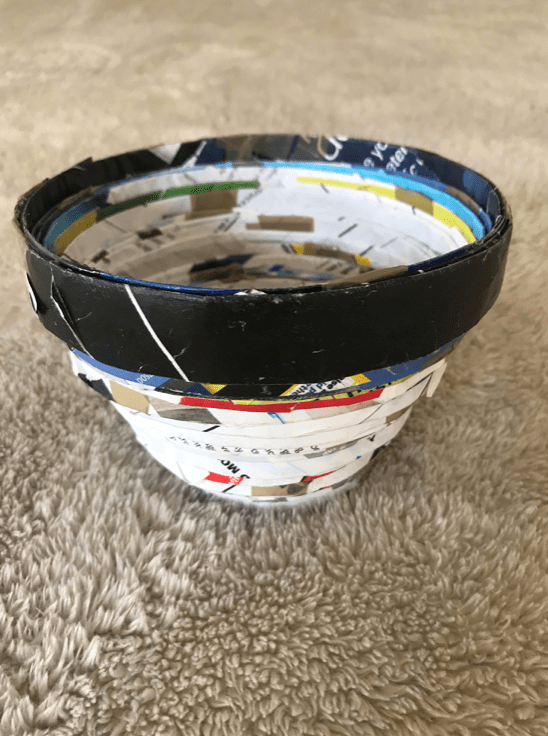
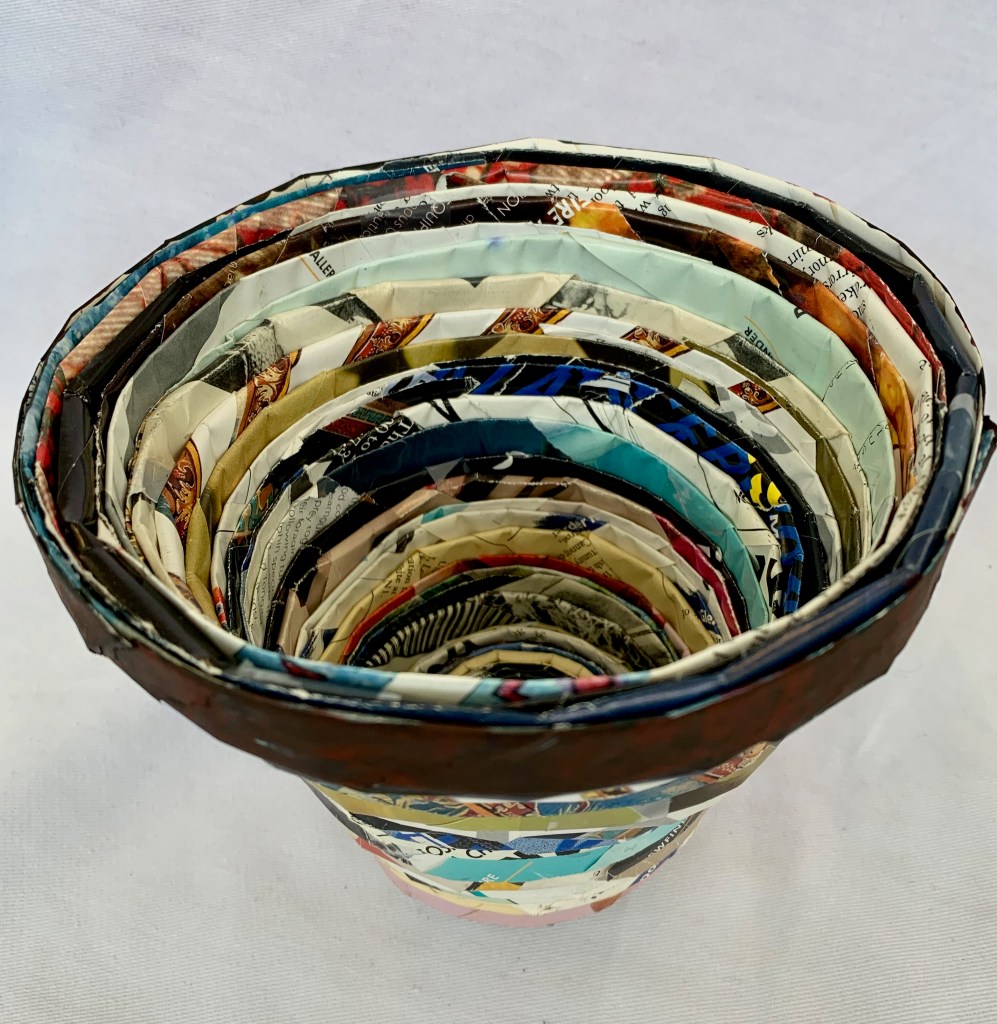
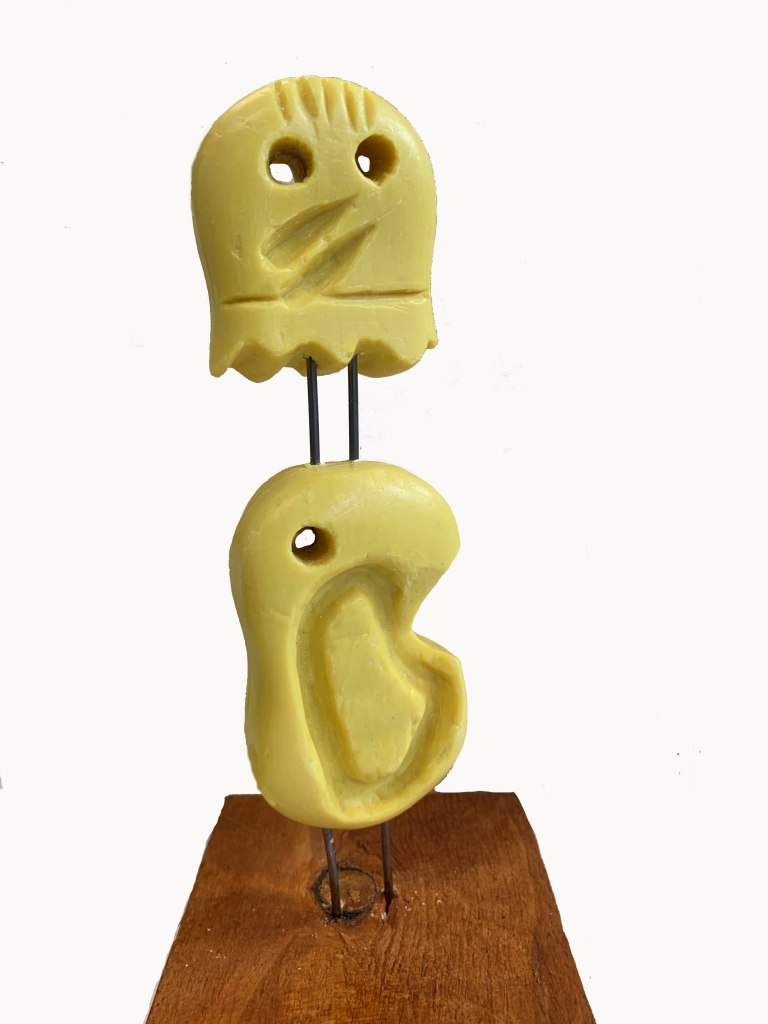
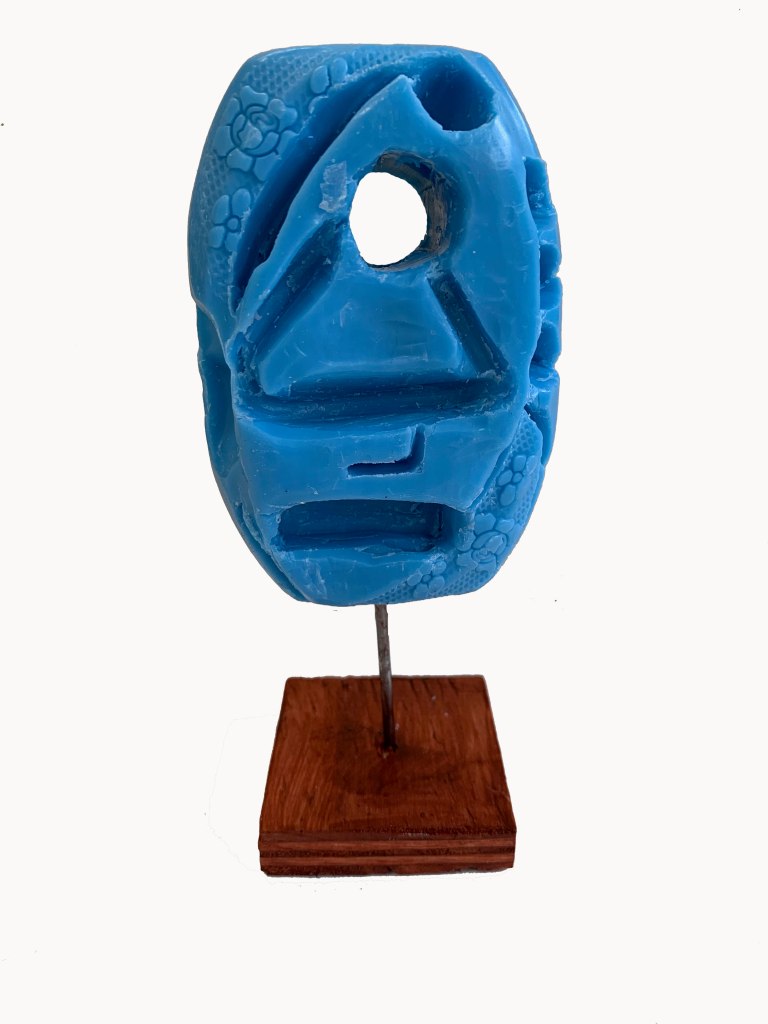
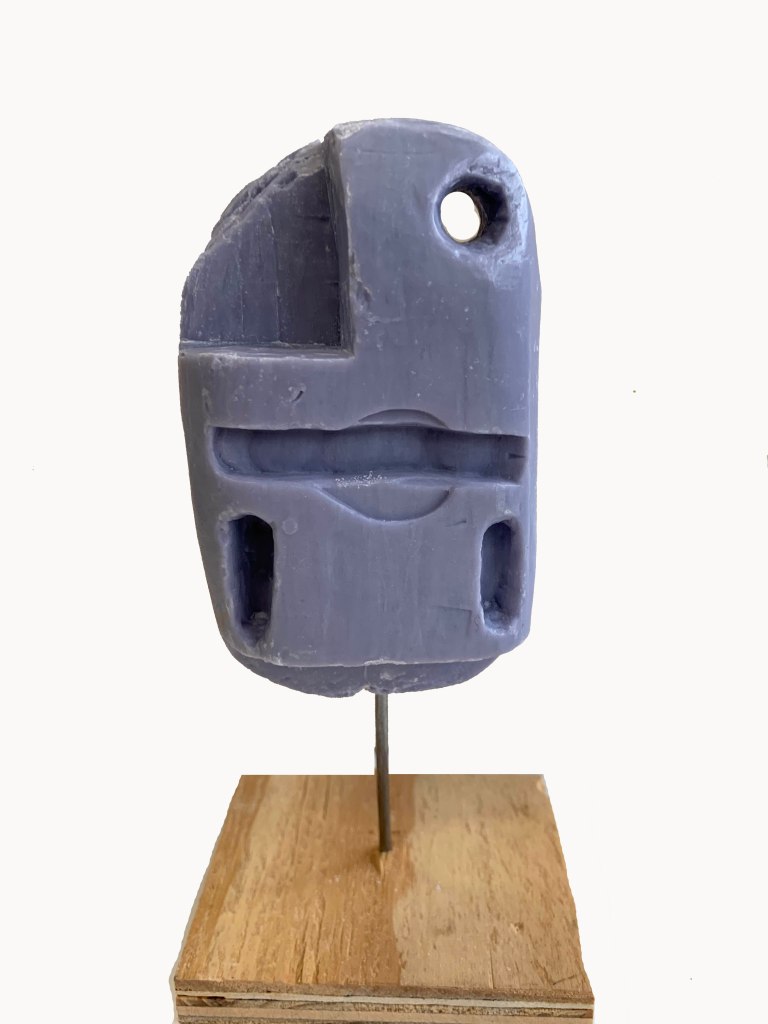
“Soap Sculpture,” Sculpture class, G8
I was teaching a sculpture class while under Covid 19 Lockdown. I was faced with the challenge of how to teach a sculpture class remotely. I developed units based on materials students had in their homes. In this unit, I asked students to use a block of soap and a butter knife to carve a sculpture in the styles of Barbara Hepworth and Henri Moore.
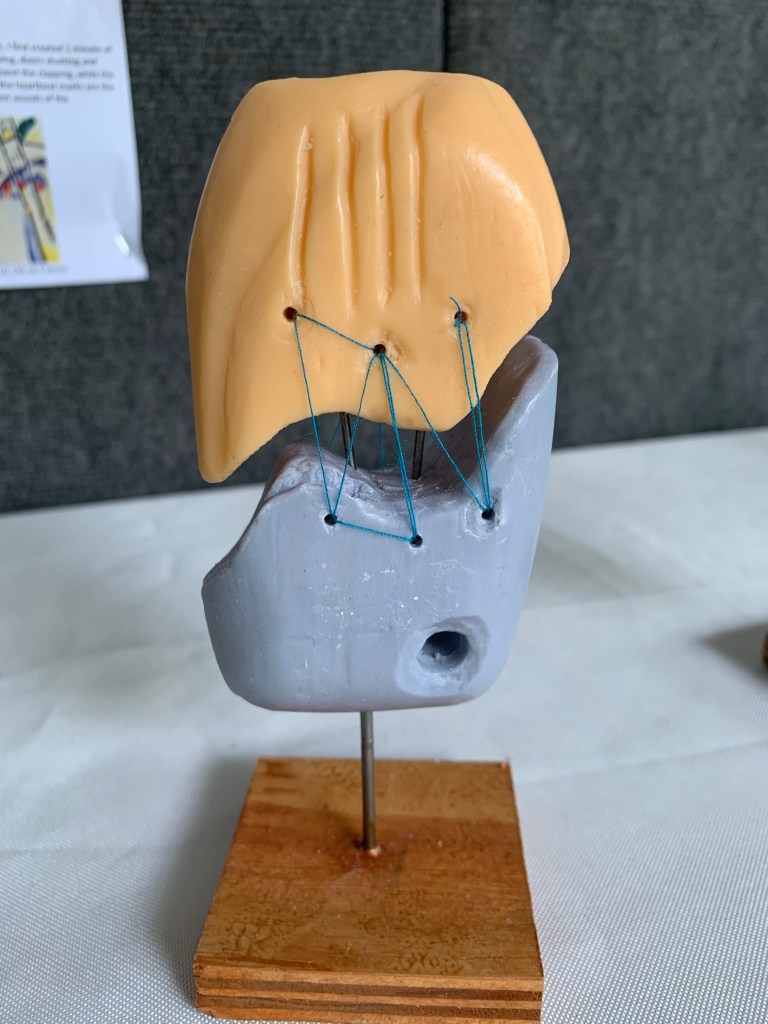
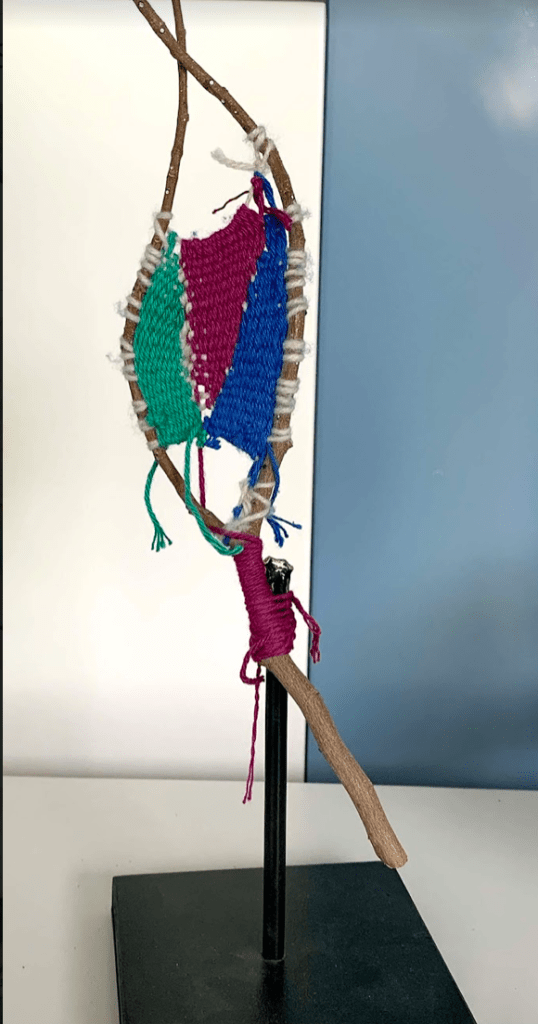
“Branch Weaving,” Sculpture class, G8
I was teaching a sculpture class while under Covid 19 Lockdown. I was faced with the challenge of how to teach a sculpture class remotely. I developed units based on materials students had in their homes. In this unit, I asked students to use yarn and a tree branch to create a “branch weaving.”
“JEDI Sculpture,” Sculpture class, G8
In this unit, I asked students to research JEDI (Justice, Equity, Diversity and Inclusion) and to develop an intention statement of what context they wanted to base their sculpture on. Students looked at LBGTQ rights, Gender rights, the political climate in Afghanistan under Taliban rule and much more. They then looked at the sculptures of Aaron Curry, Damian Ortega, Ernesto Neto and Katharina Trudzinski. Upon researching the works of their artist, they then created their own sculptures based on their JEDI context and the style of their artist. As a final step, the students needed to incorporate text to support their context. They looked at artists Barbara Kruger, Jenny Holzer, Basquiat and Shirin Nashat.
Using cardboard, plaster and acrylic paint, the students learned to value the process as much as the product. This unit’s process included the student creating a base out fo cardboard, using plaster bandages to cover it, then wet plaster, then sanding it smooth, priming it with glue and water, and finishing it with Acrylics.
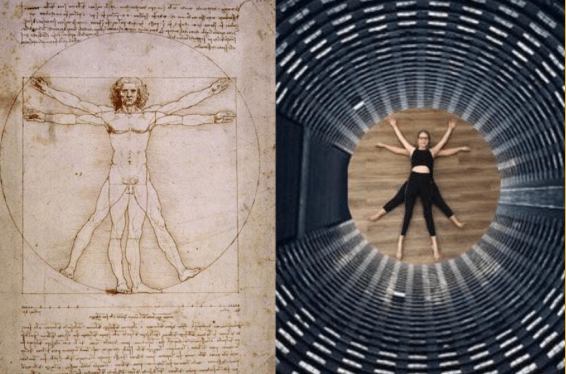
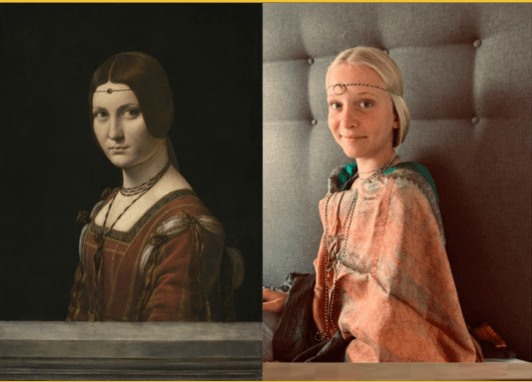
“Recreate a Painting,” Open Studio, G8
I was teaching this class while under Covid 19 Lockdown. I was faced with the challenge of how to teach a Visual Art remotely. In this unit, I sought to get the students to look at artists from art history, while thinking creatively. This is not my own original idea. This was a lockdown challenge that spread around the world, with amazing results. I chose to do it with my students because I saw the enthusiastic reaction others were having towards this challenge. I wanted to strike up the same enthusiasm from my students as they battled their own struggles of being under lockdown.
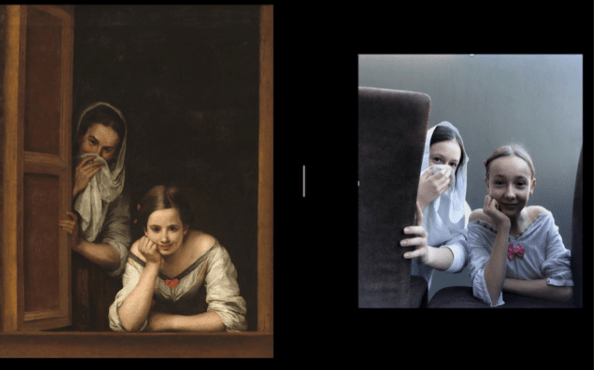

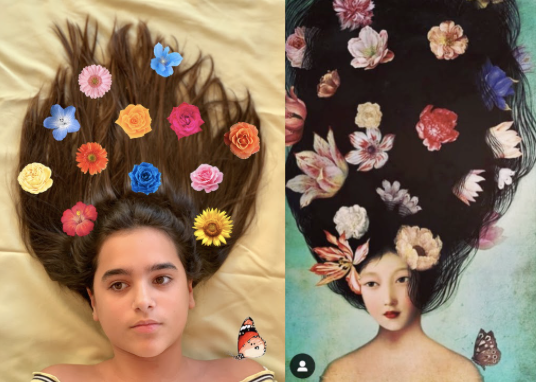
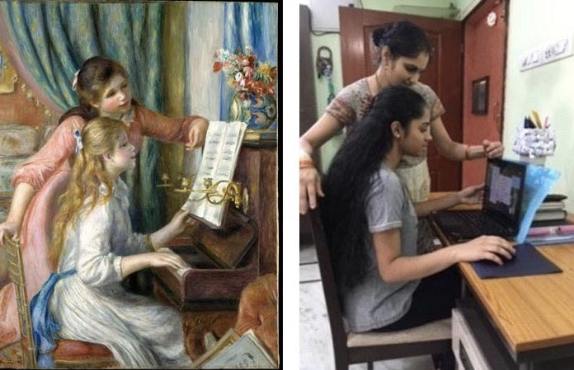
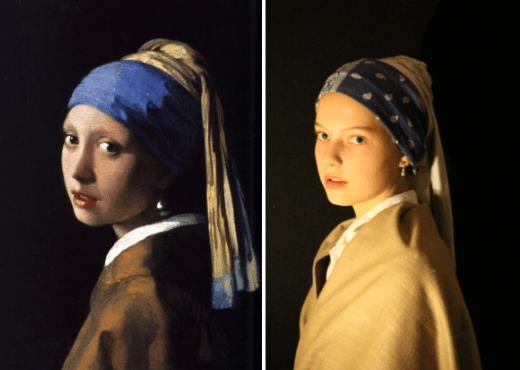
“Photo Marathon,” Photography class, G8
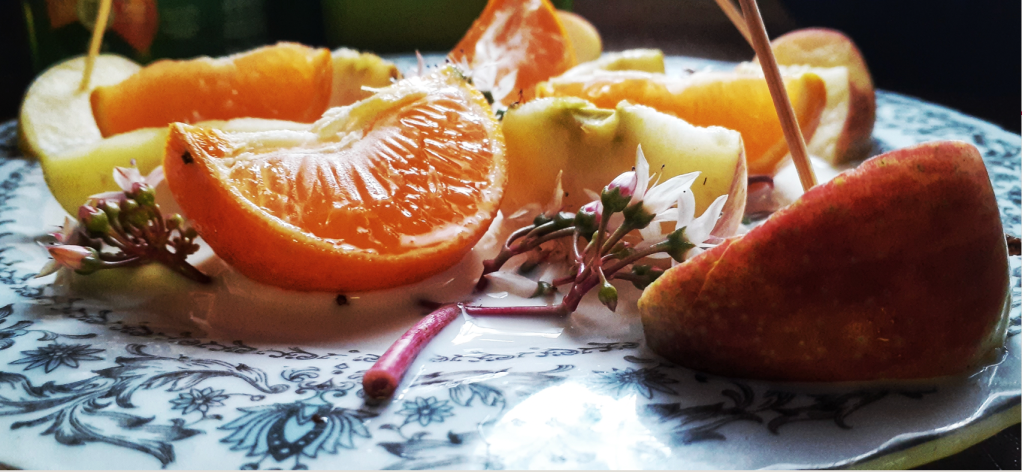
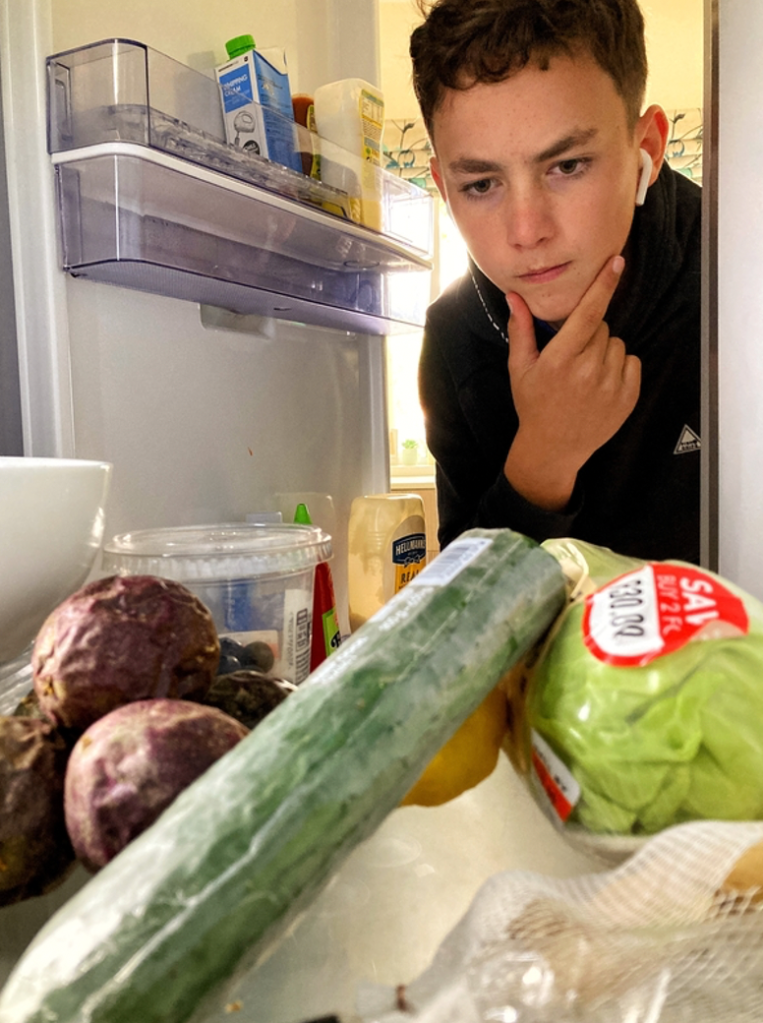
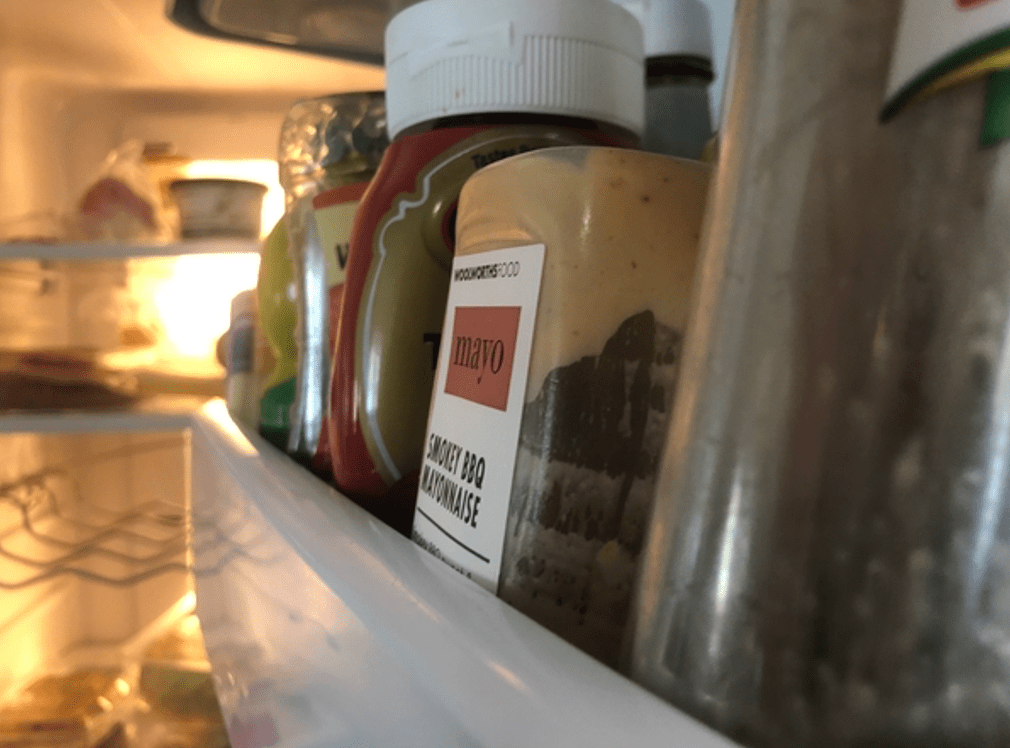
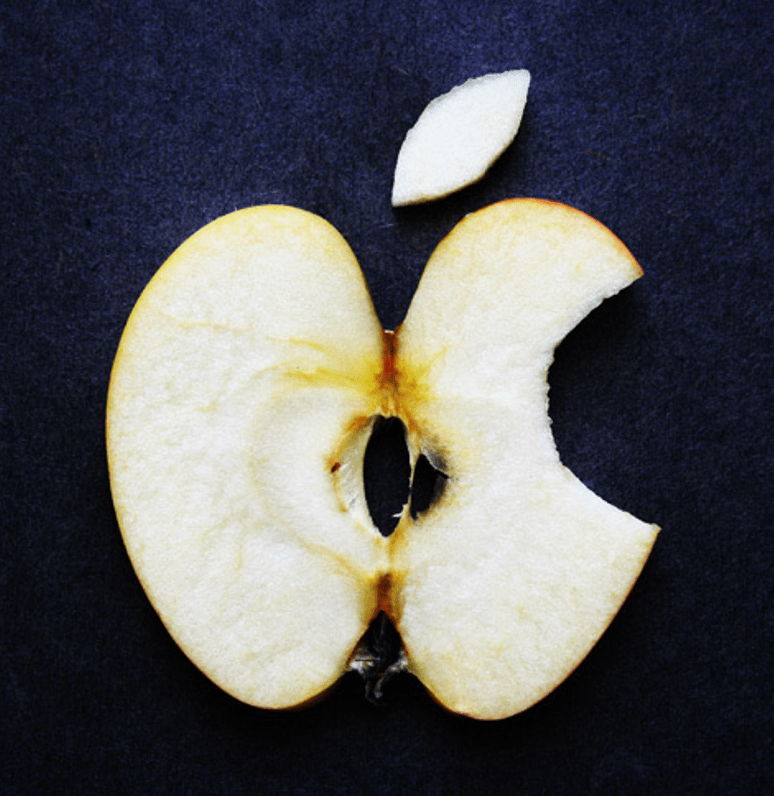
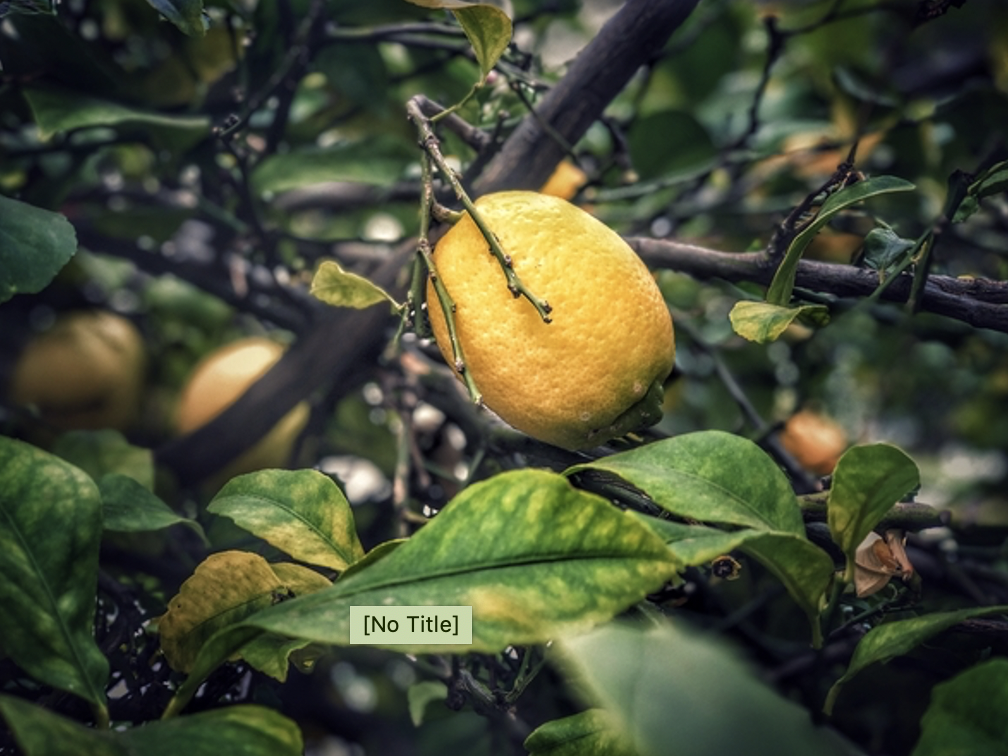
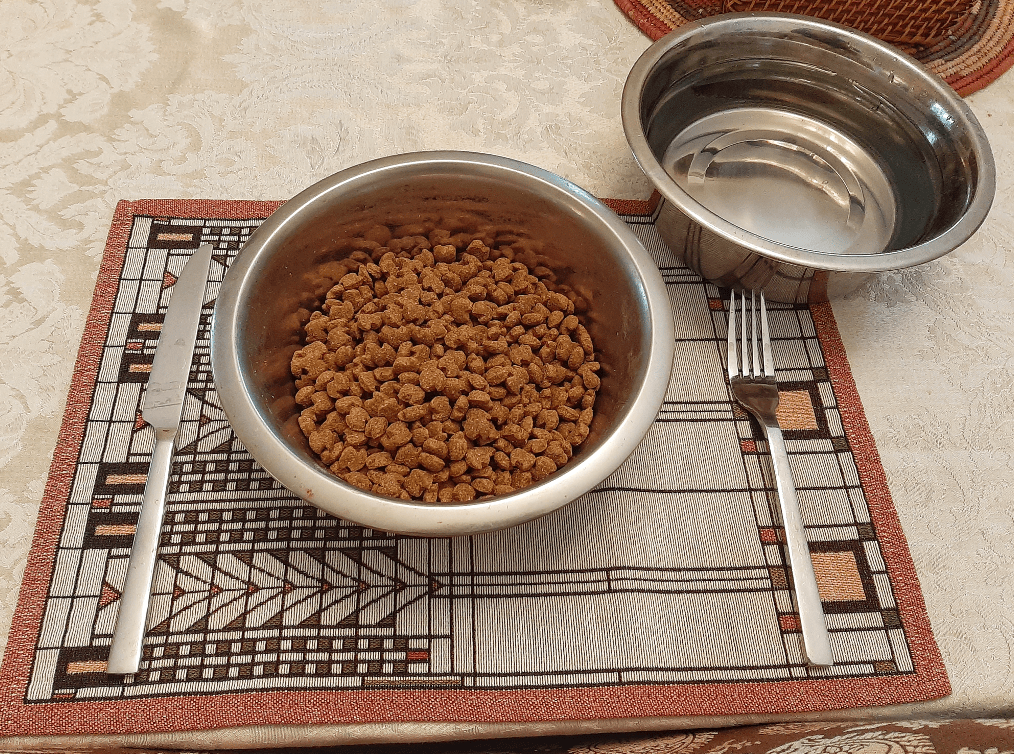
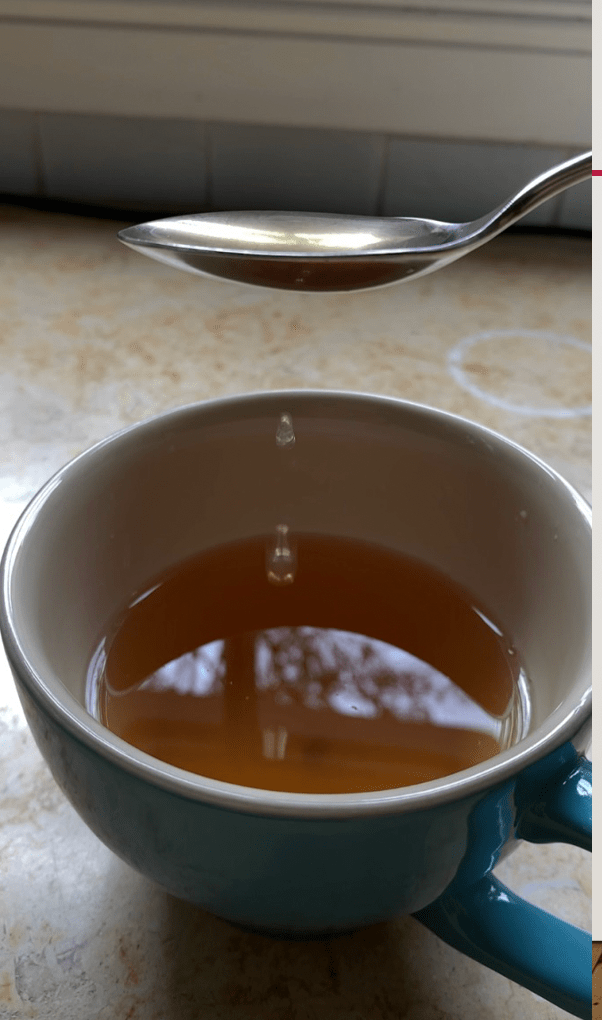
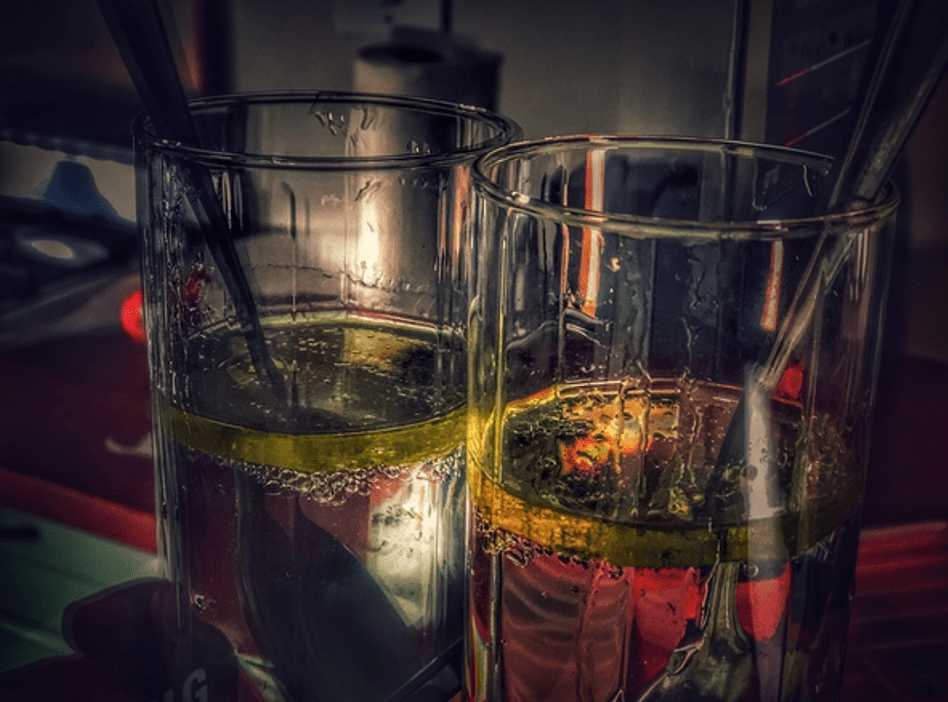
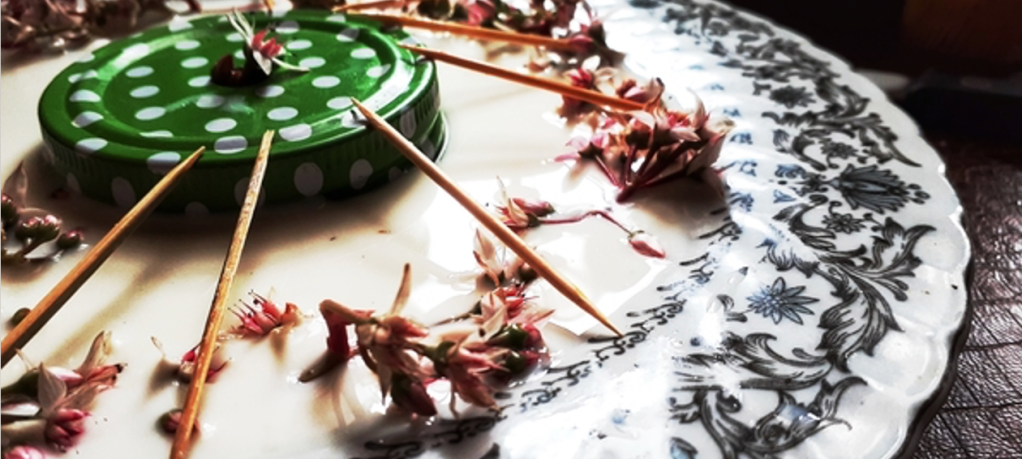
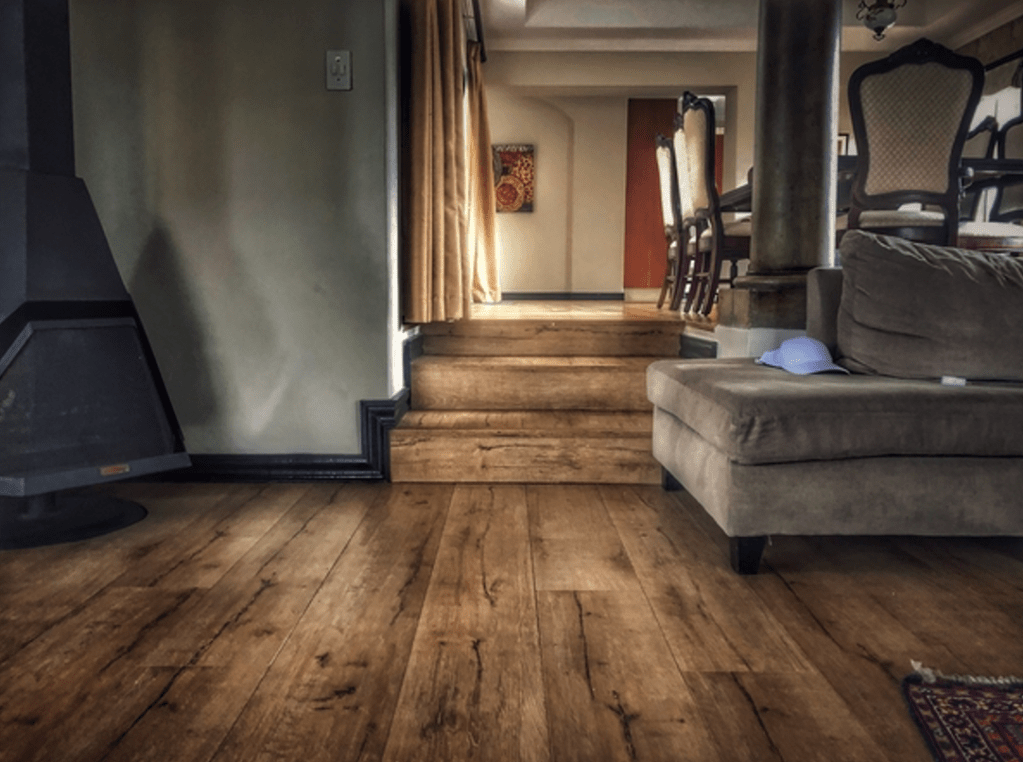
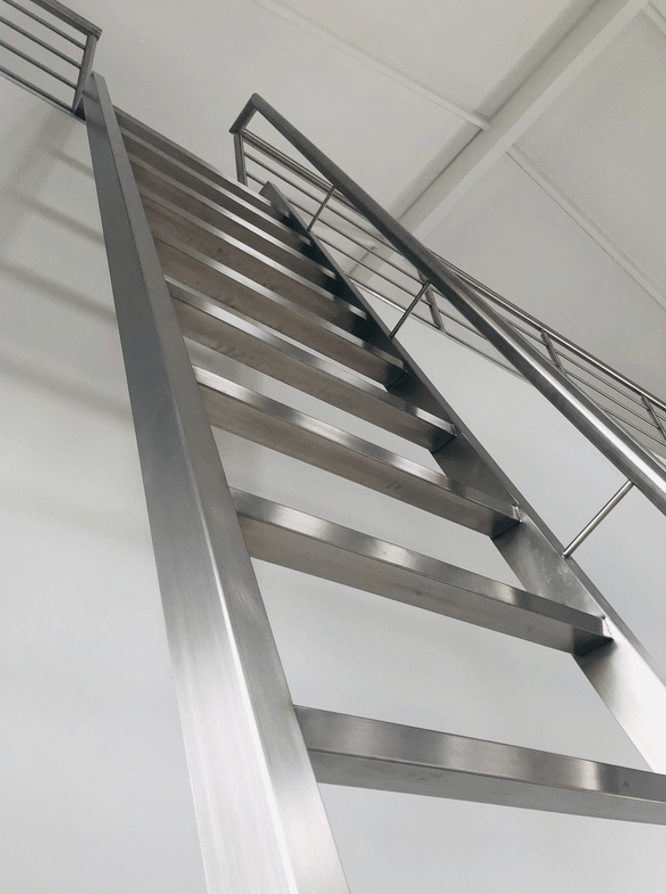
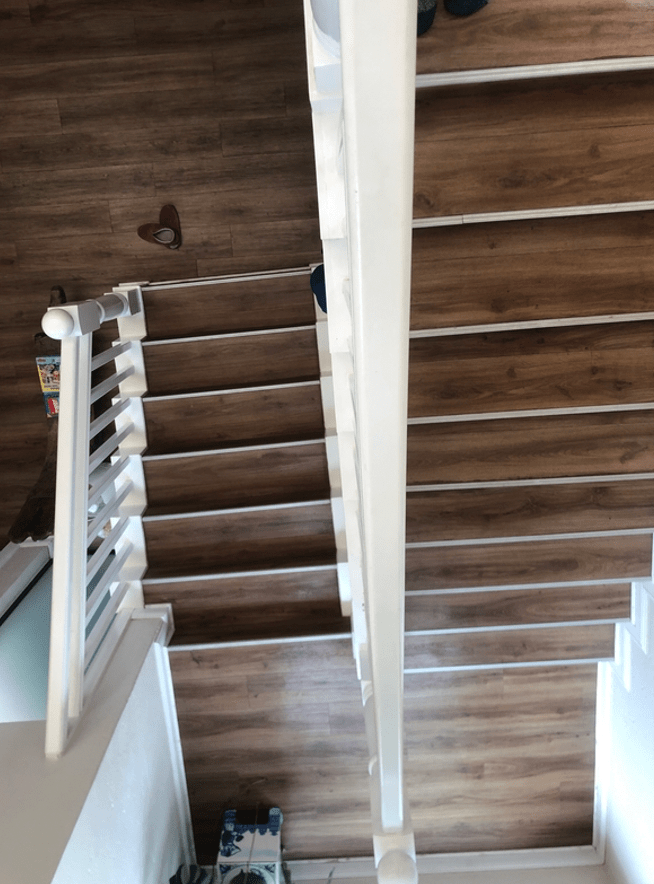
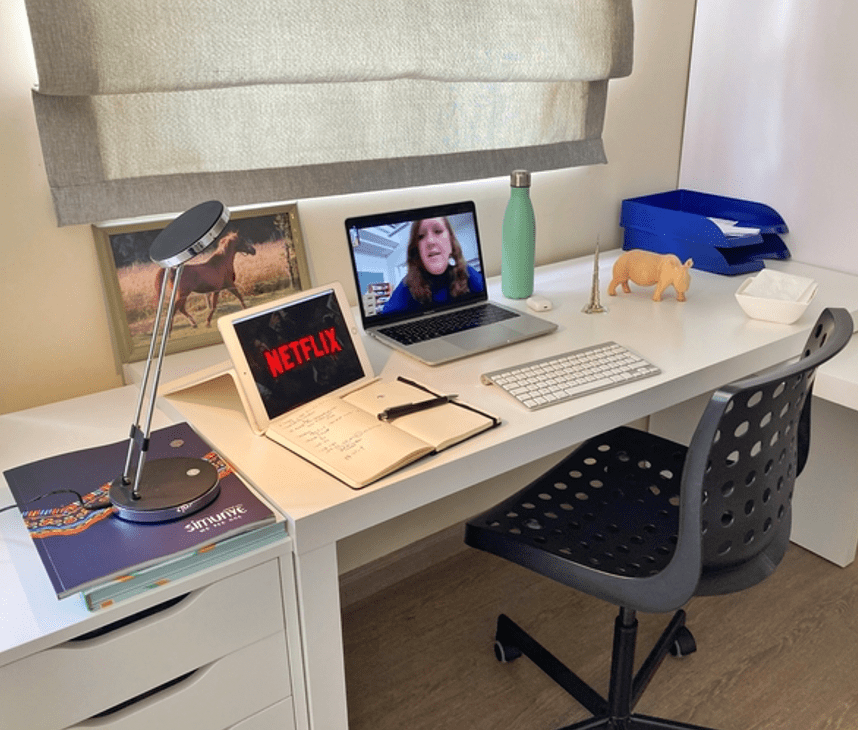
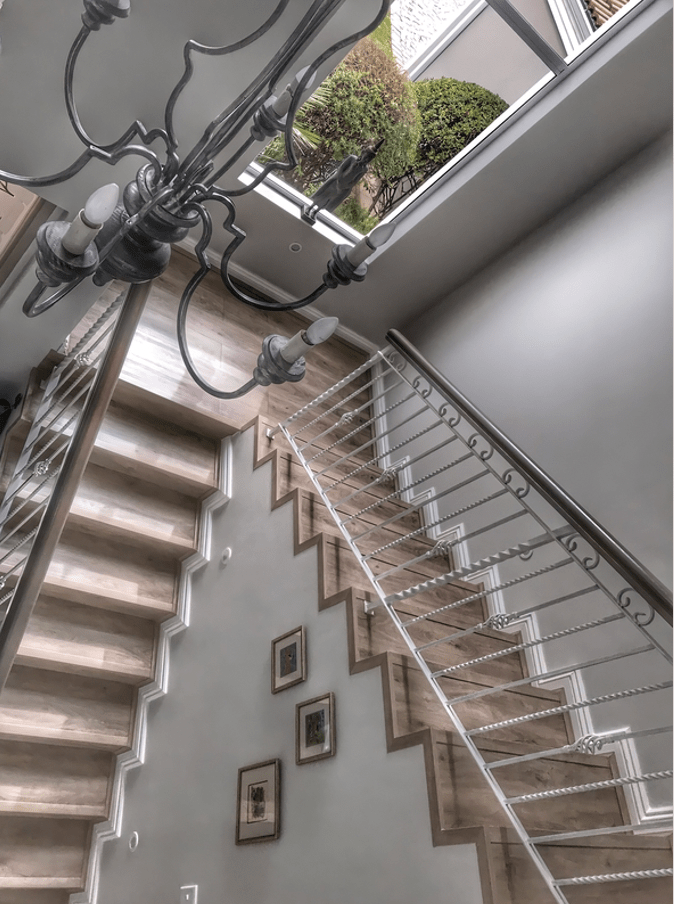
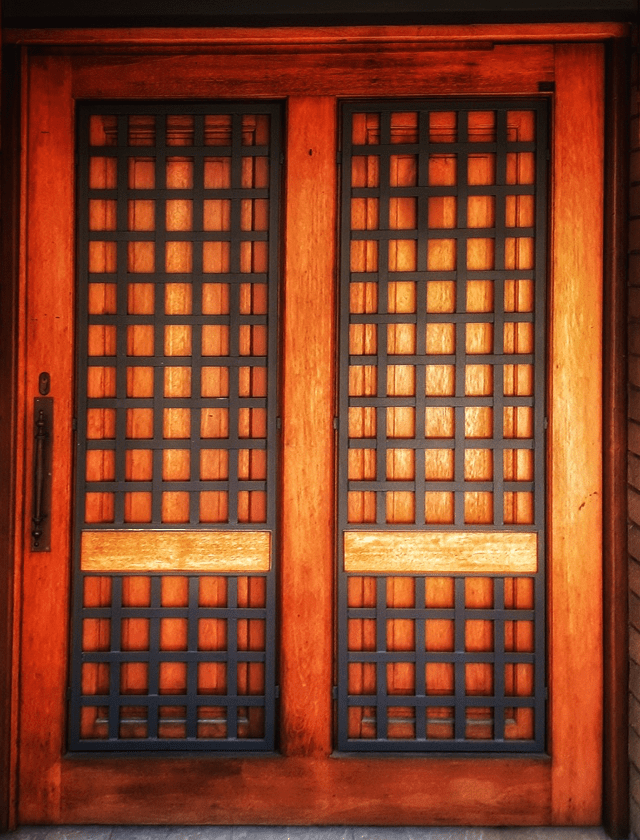
When we went back online the final weeks of this class last term, I had my students do a photo marathon around their house. They had 4 topics to photograph and 10 minutes to photograph each, to do any editing and to get it uploaded to Schoology. The four topics were: 1. Food, 2. Reflections in my Kitchen, 3. Repetition, 4. Architecture.
FOOD


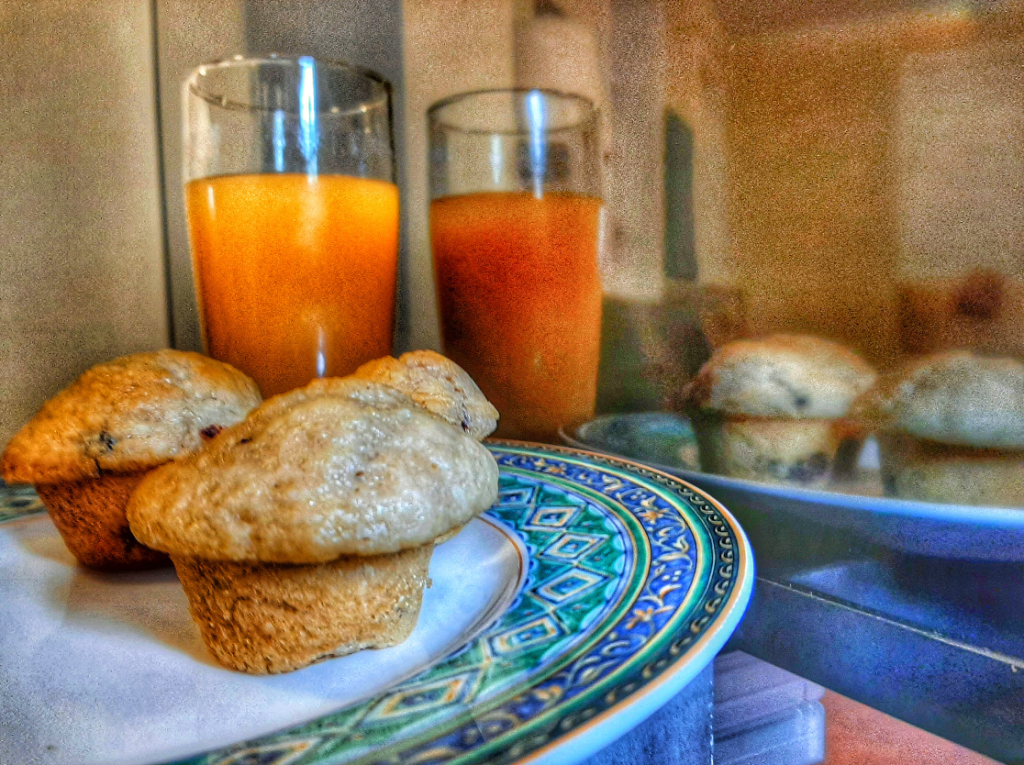
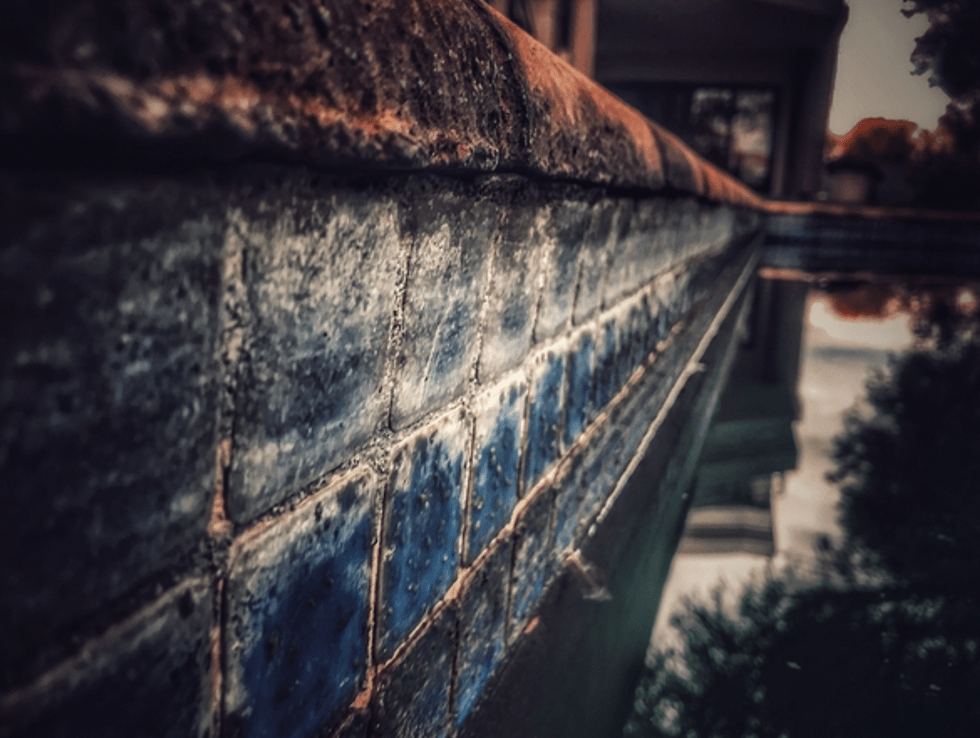
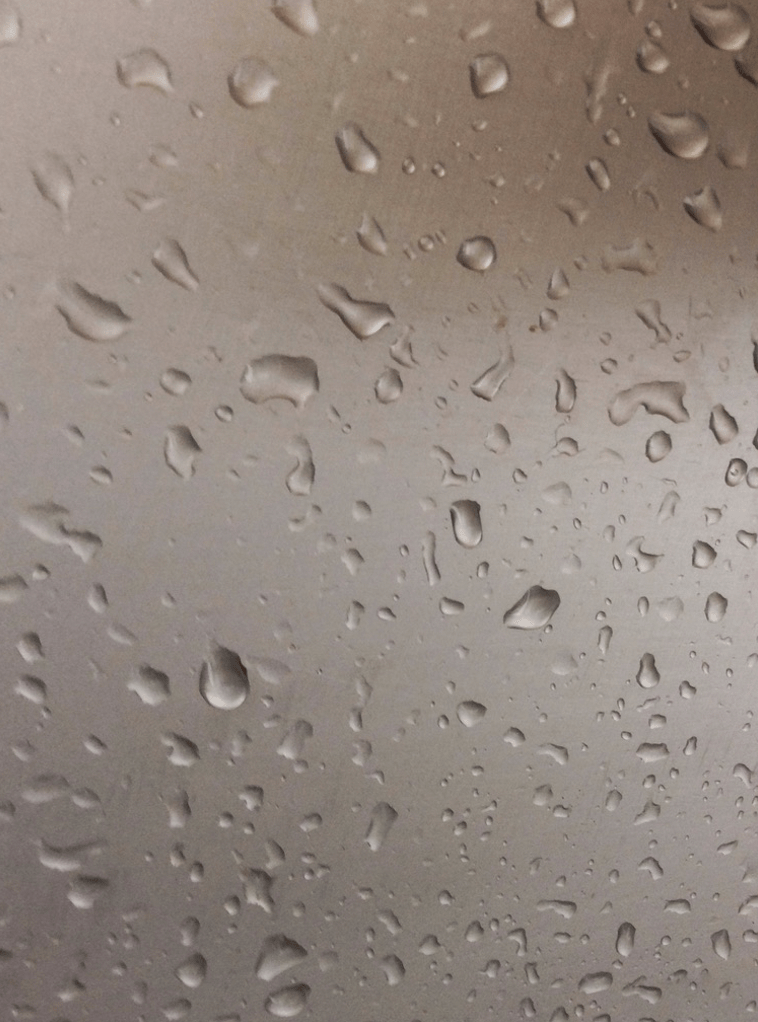
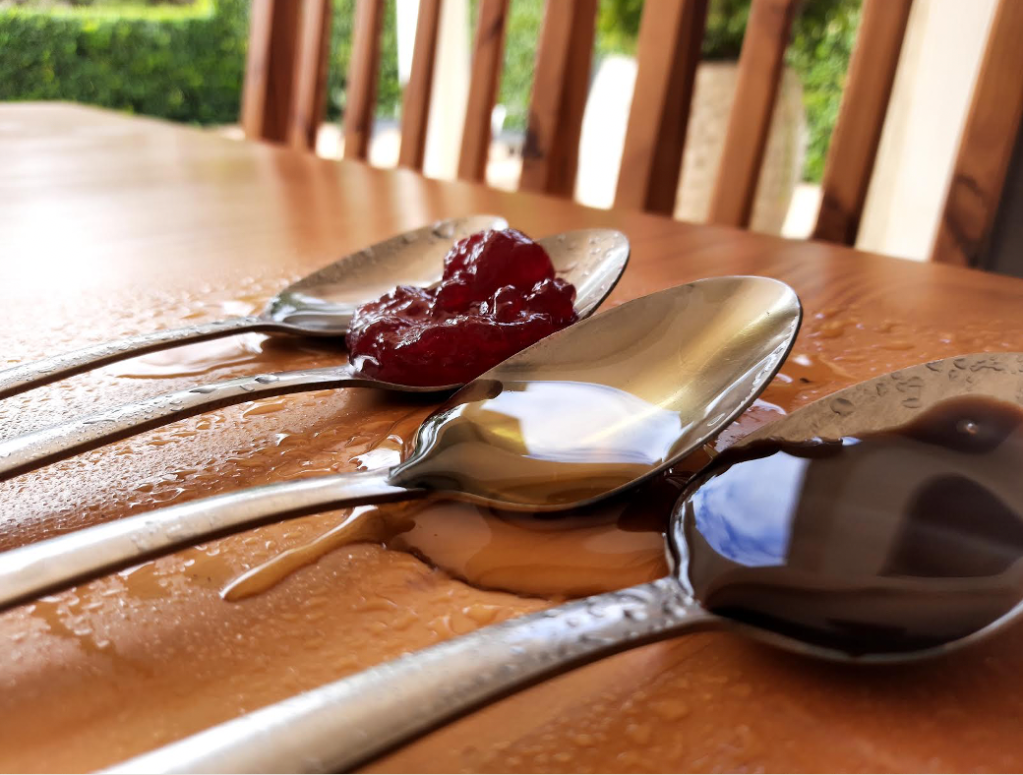
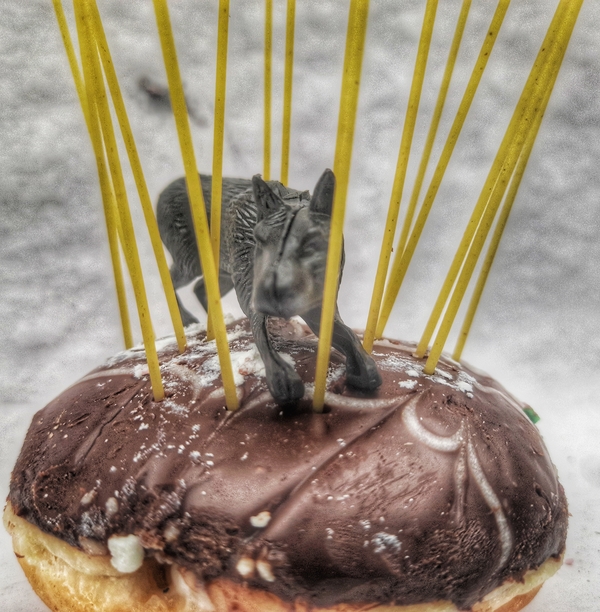
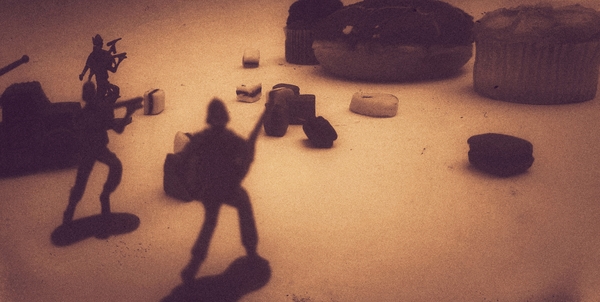
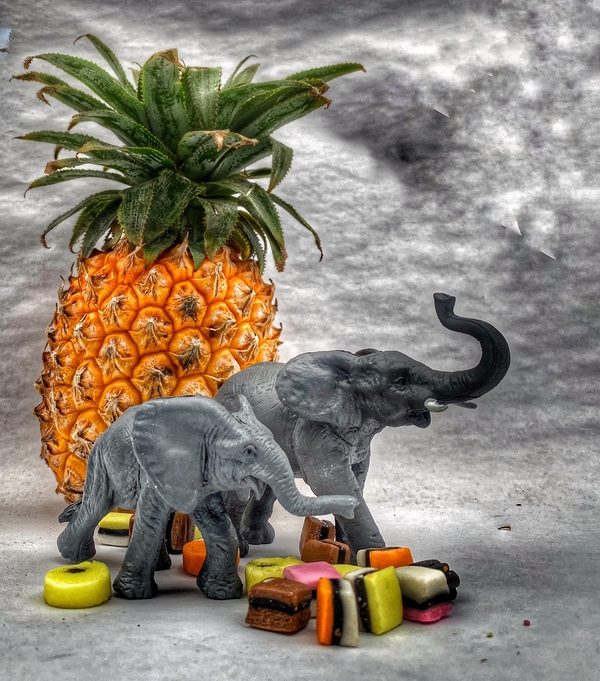
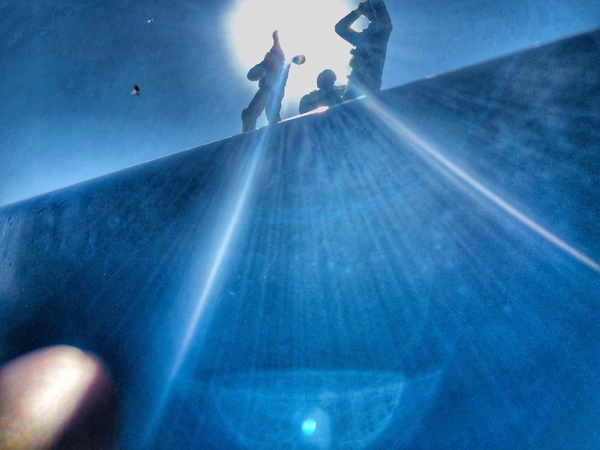
“Tiny Worlds,” Photography class, G8
In this unit, students were asked to look at the works of Peter Csakvari, Akiko Ida and Pierre Javille. Given tiny figures and animals, as well as the option to use their surrounding environment or food, the students created their own “tiny world” photographs.

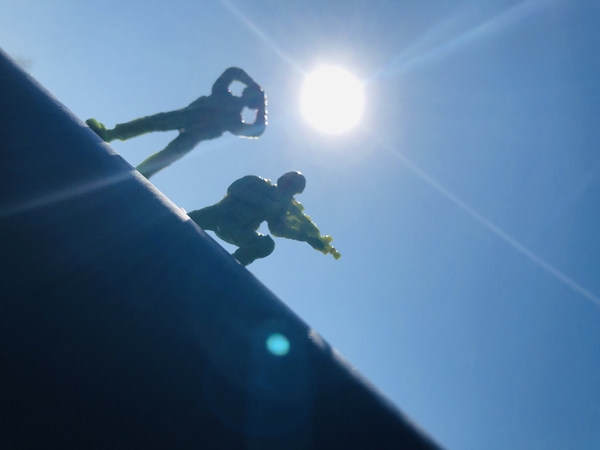

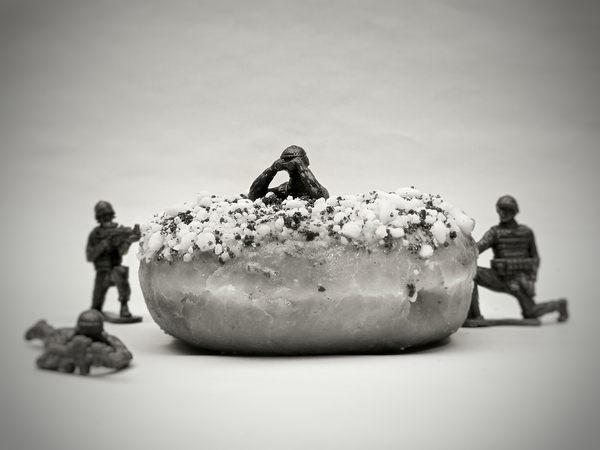
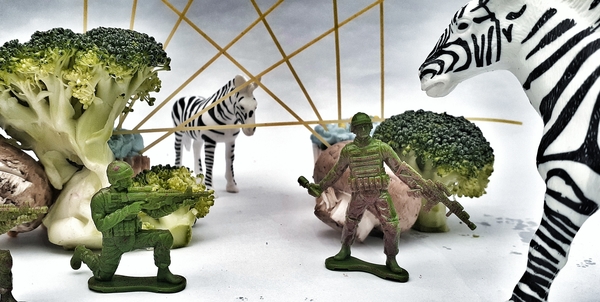
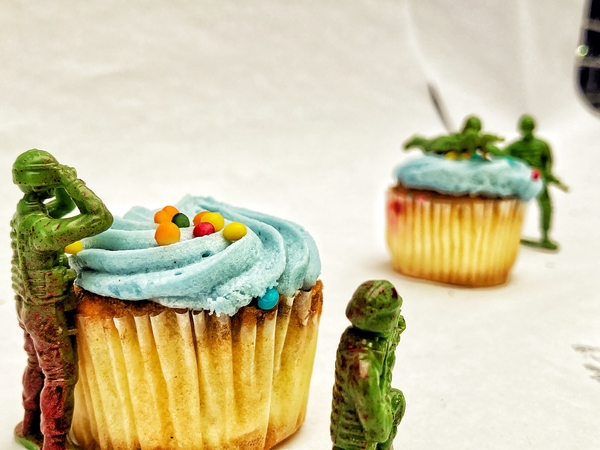
“Conceptual Photos,” Photography class, G8
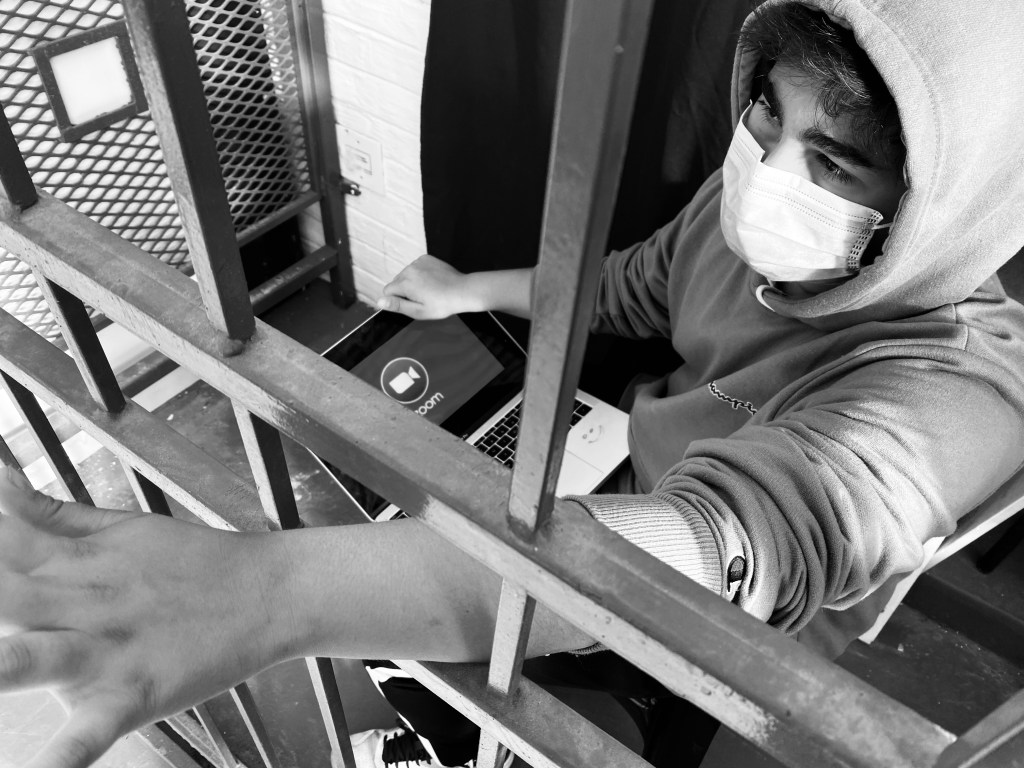
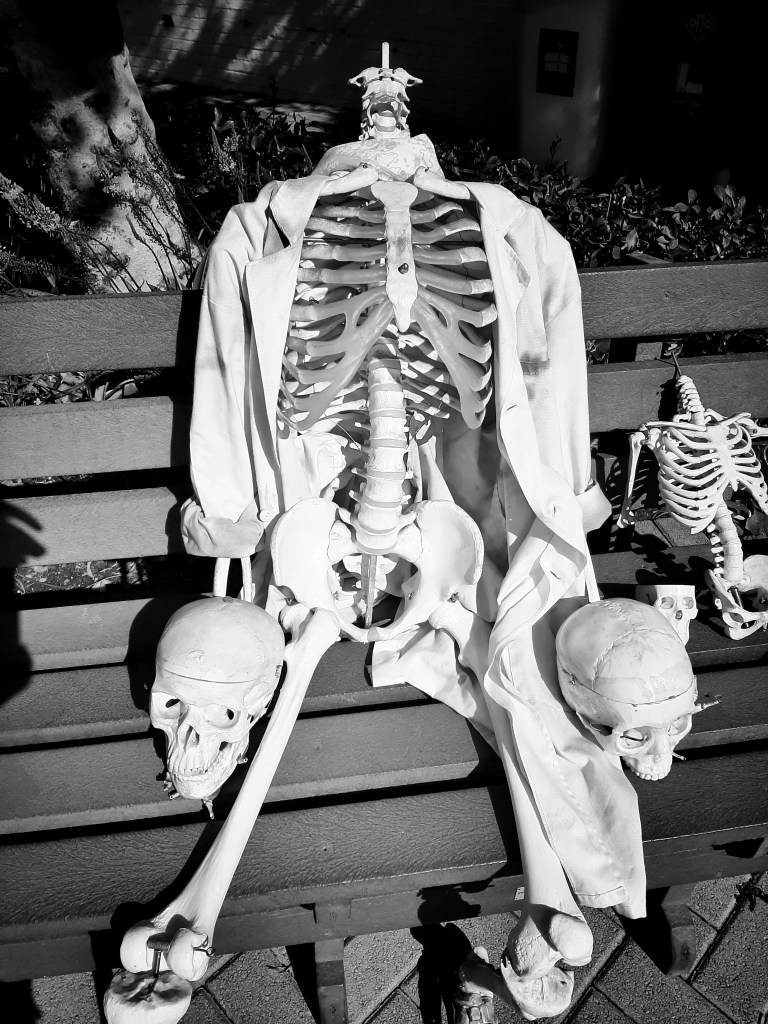
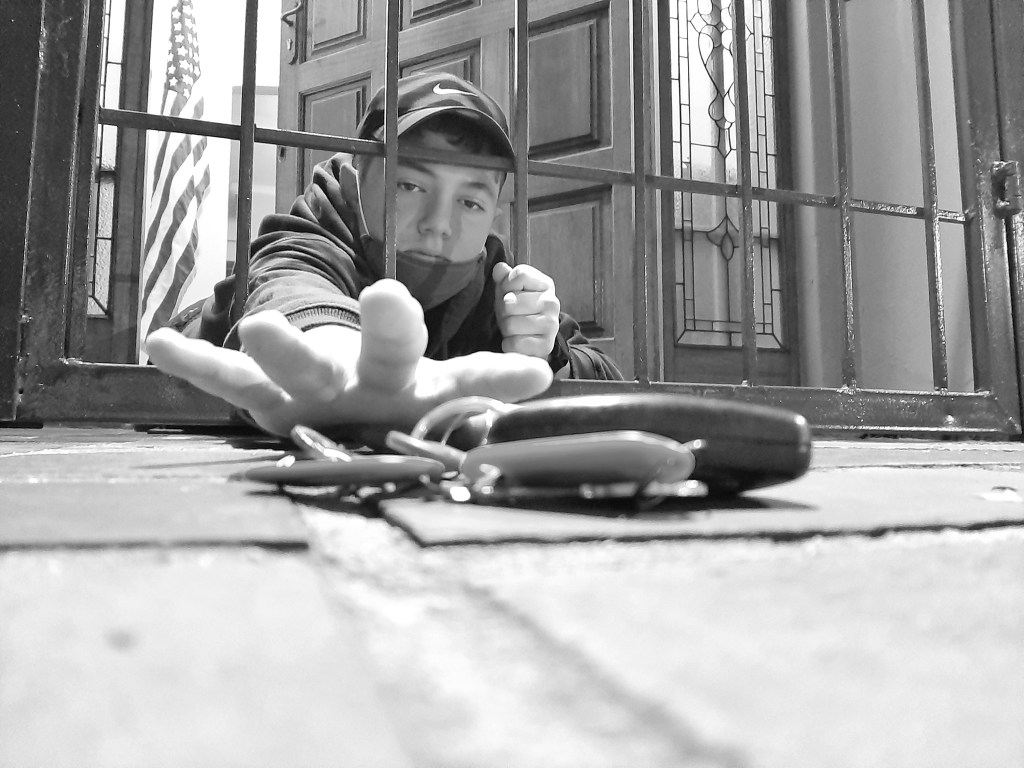
Looking at Conceptual photographers Weng Fen, Yang Yong, David LaChapelle, Julian Oh, Ronen Goldman and Sarah Ann Loreth, students chose a concept and created meaningful photographs that were meant to cause an emotion from the viewer.
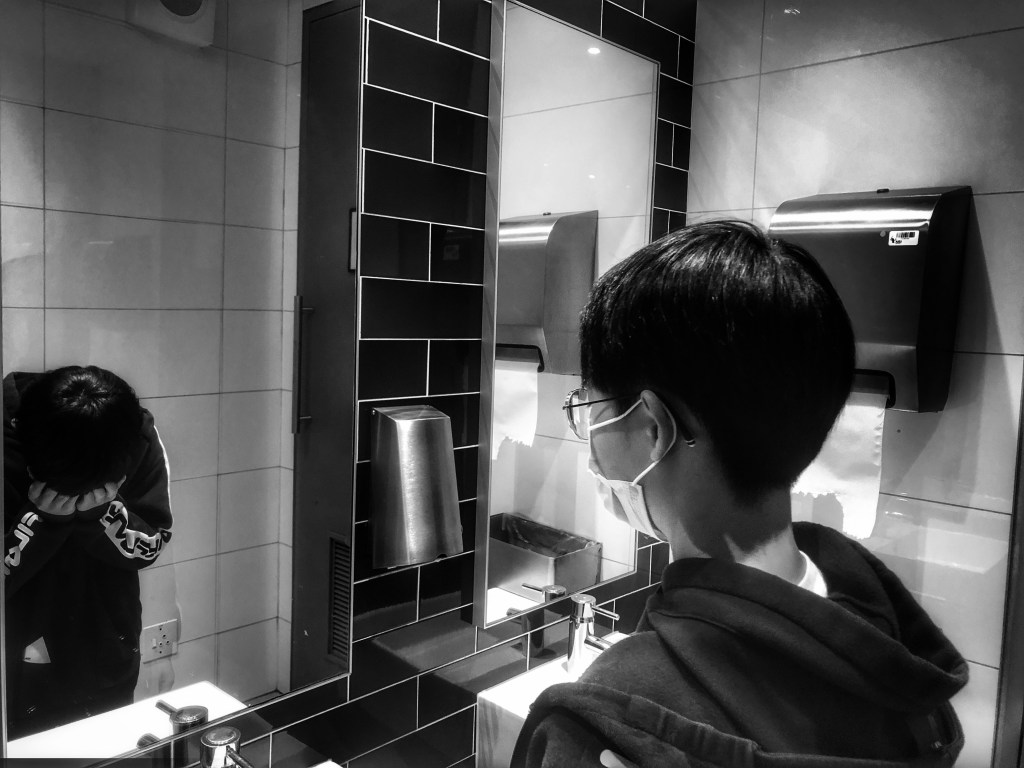
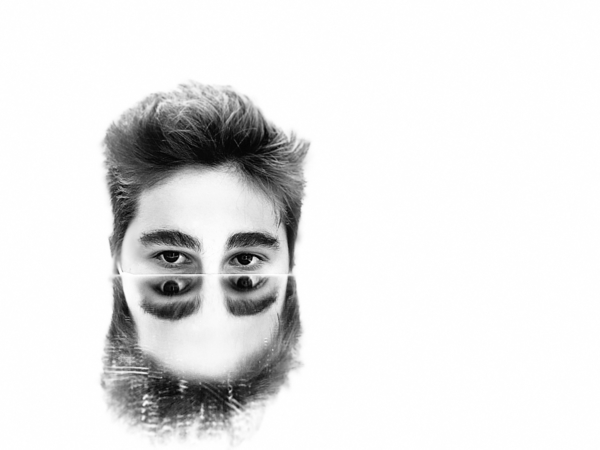
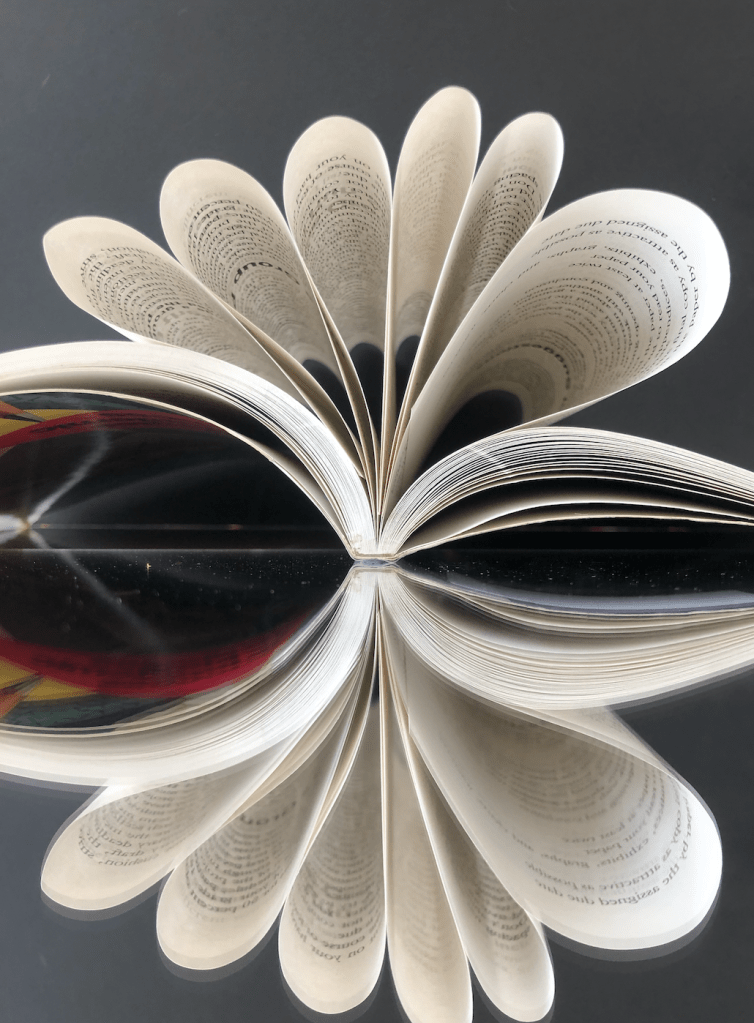
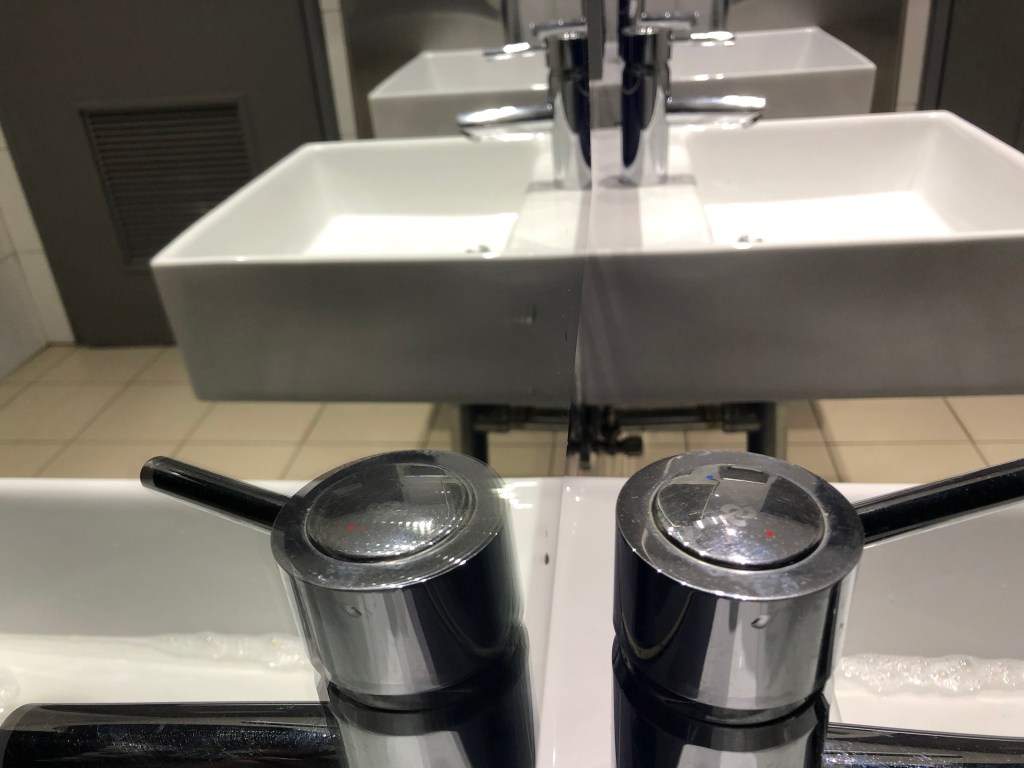
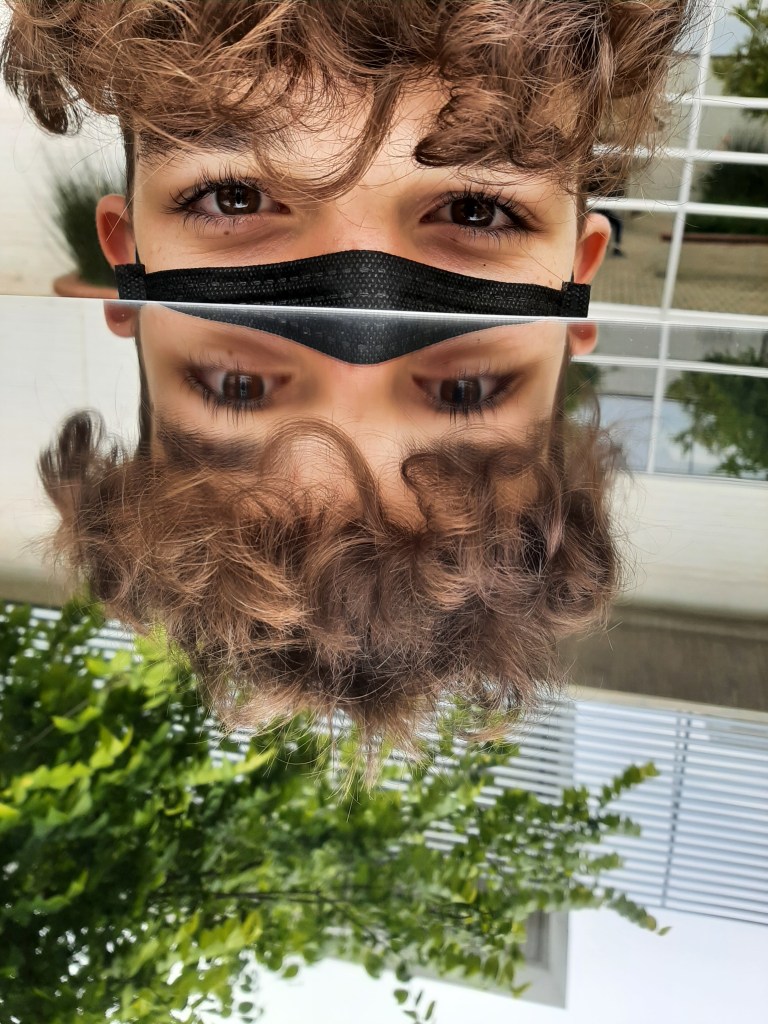
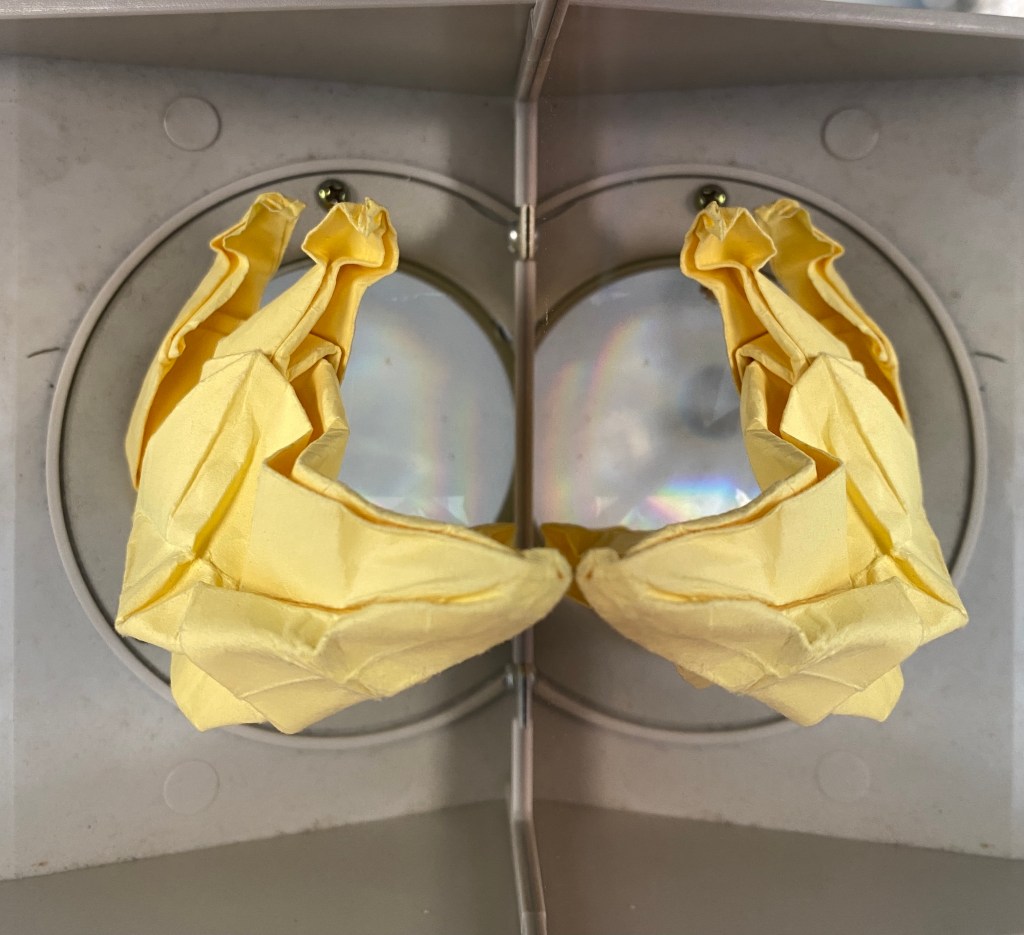
“Symmetry,” Photography class, G8
In this unit, students demonstrated their understanding of symmetry by photographing objects or people, using a mirror.

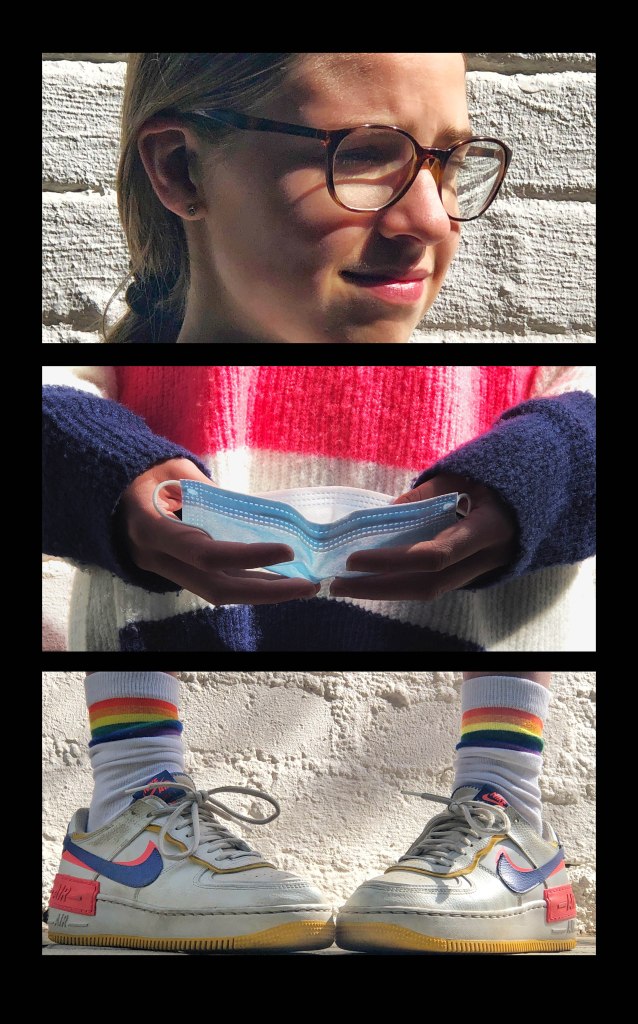
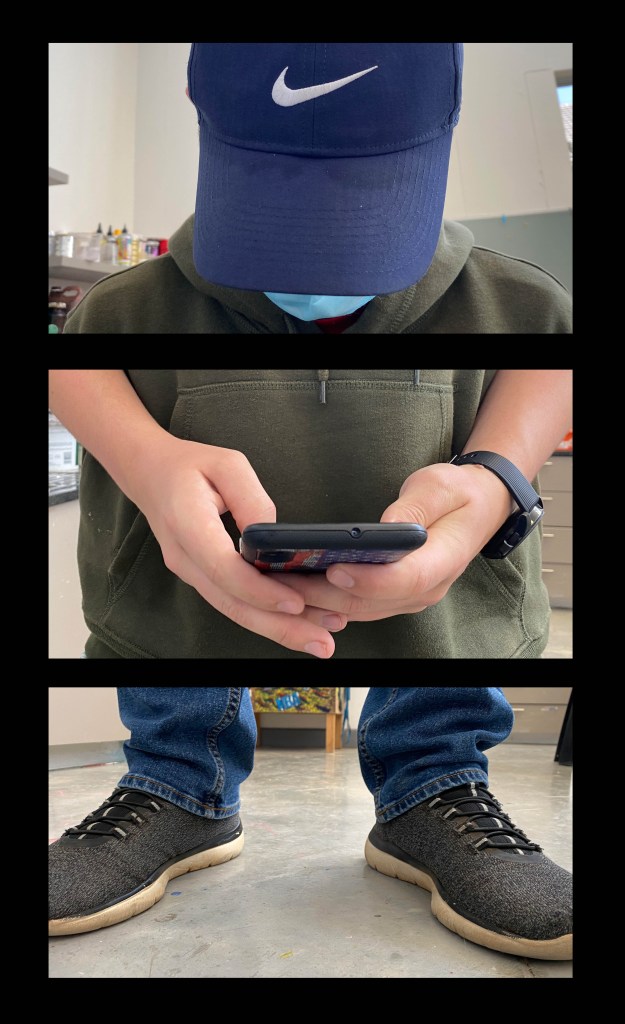
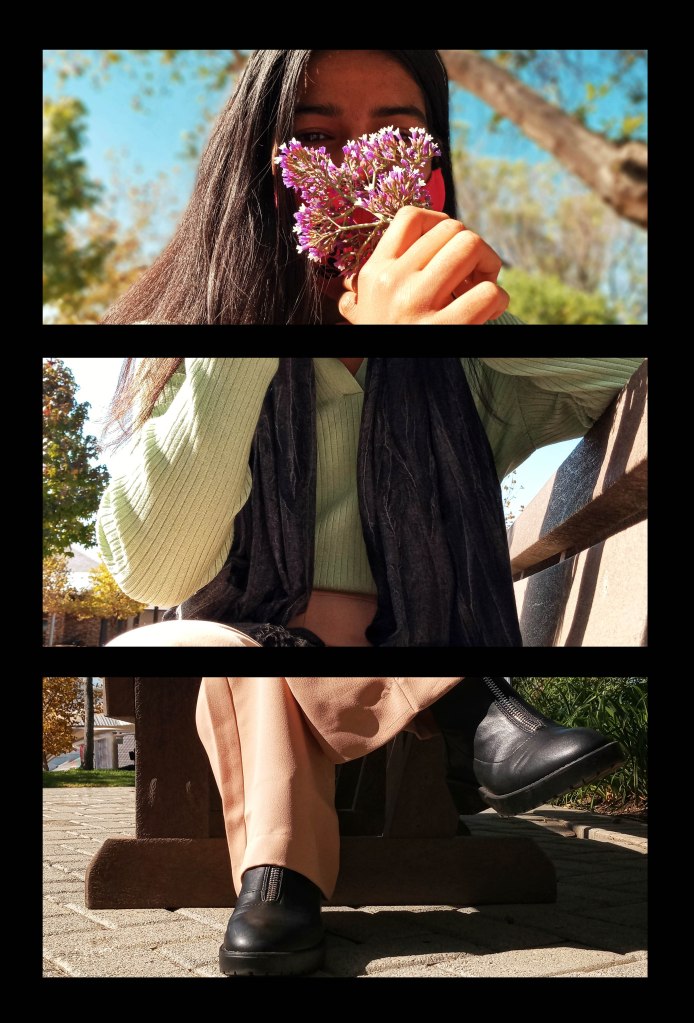
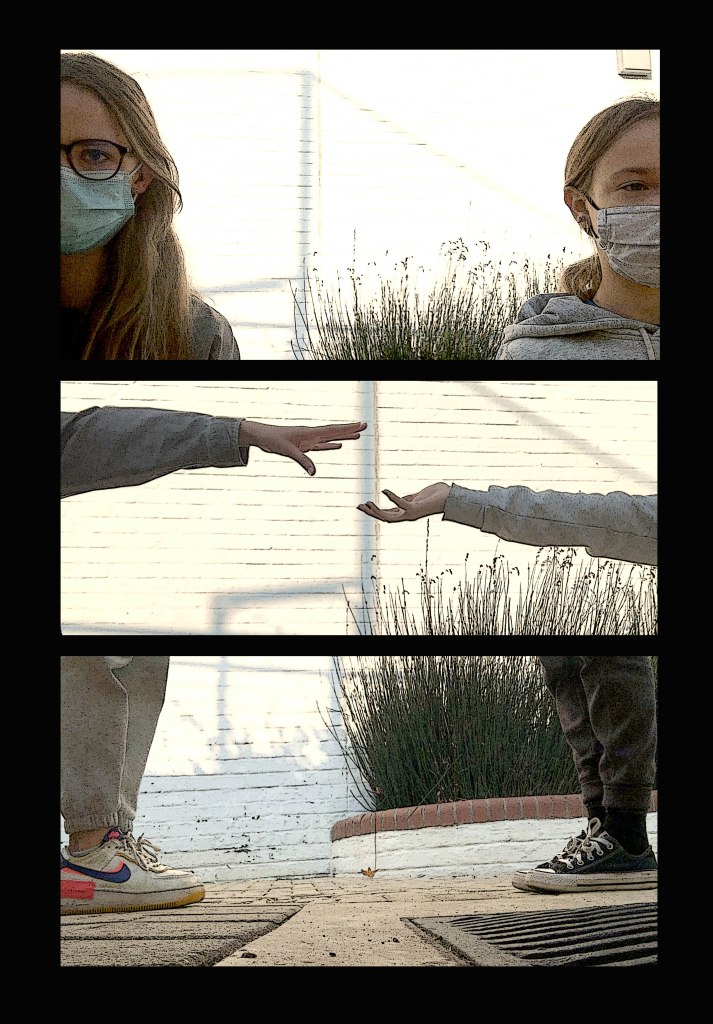
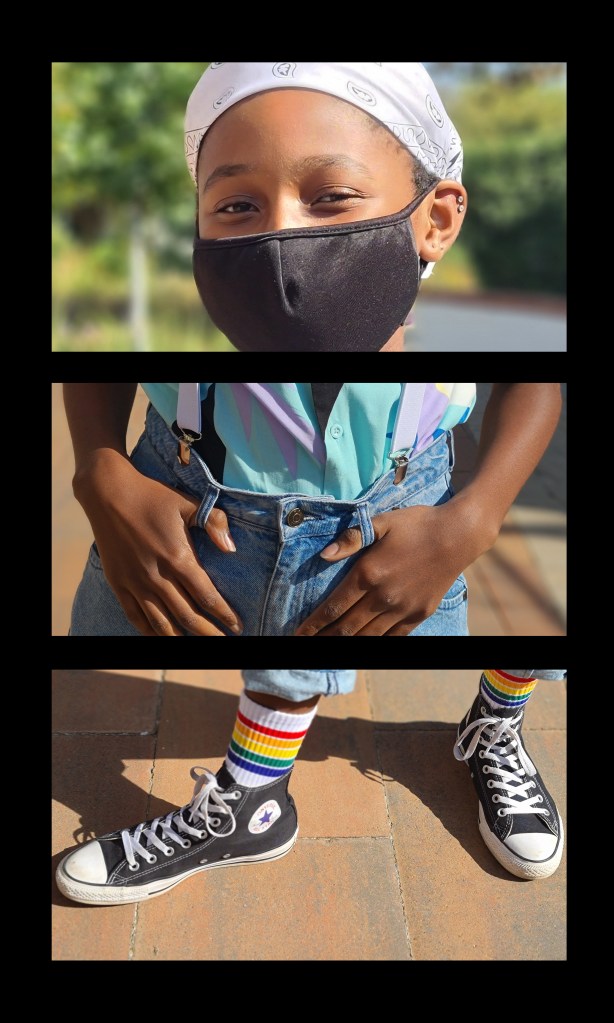
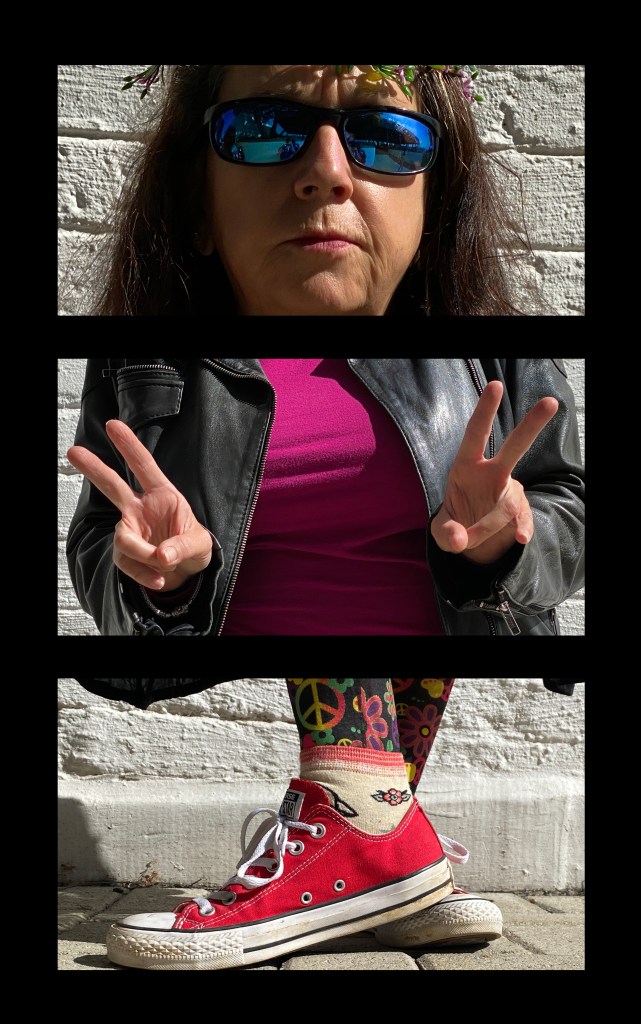
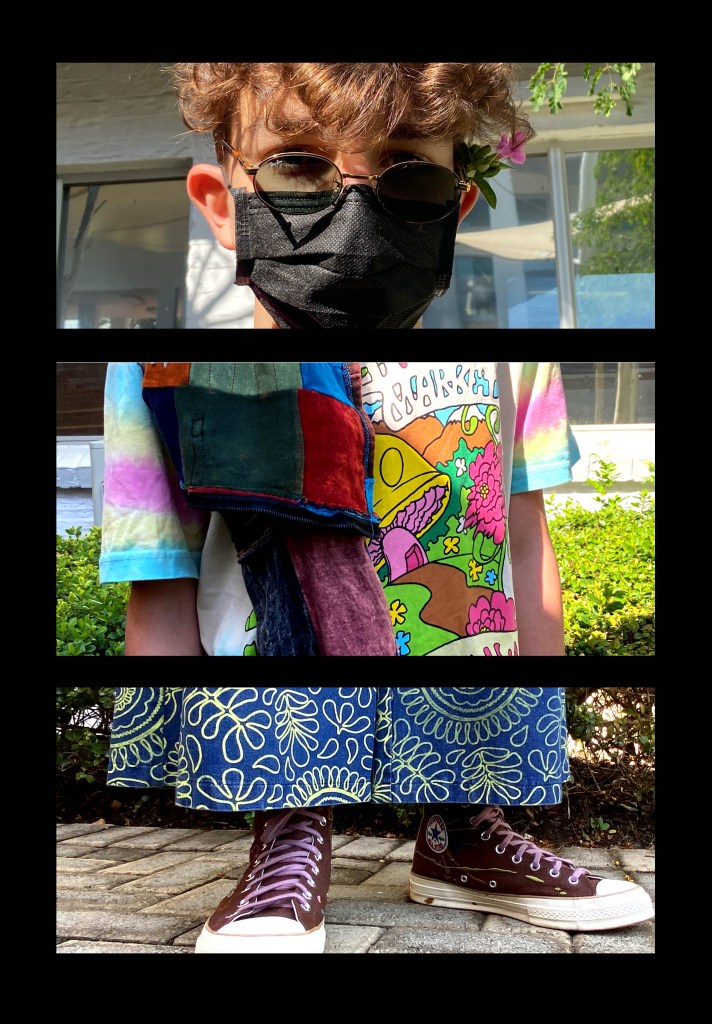
“Tryptich Portraits,” Photography class, G8
In this unit, students looked at the triptych portraits of artist Adde Adesokan. They then created their own.
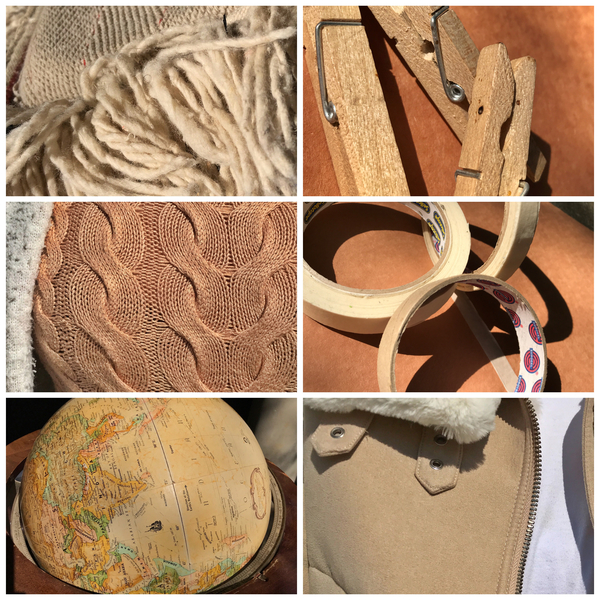
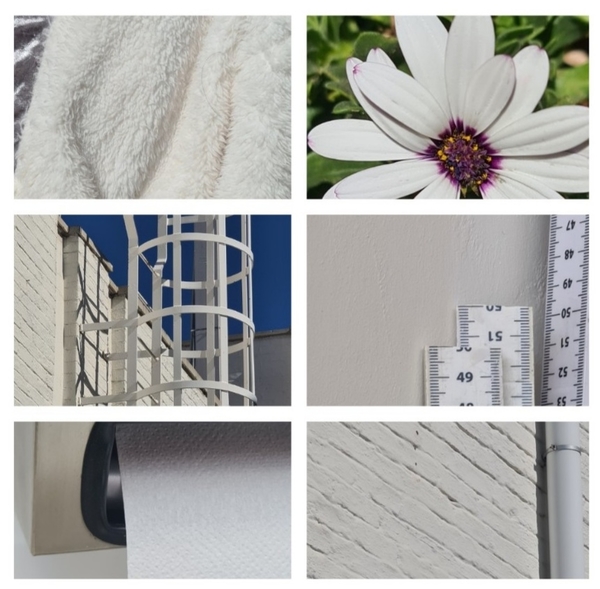
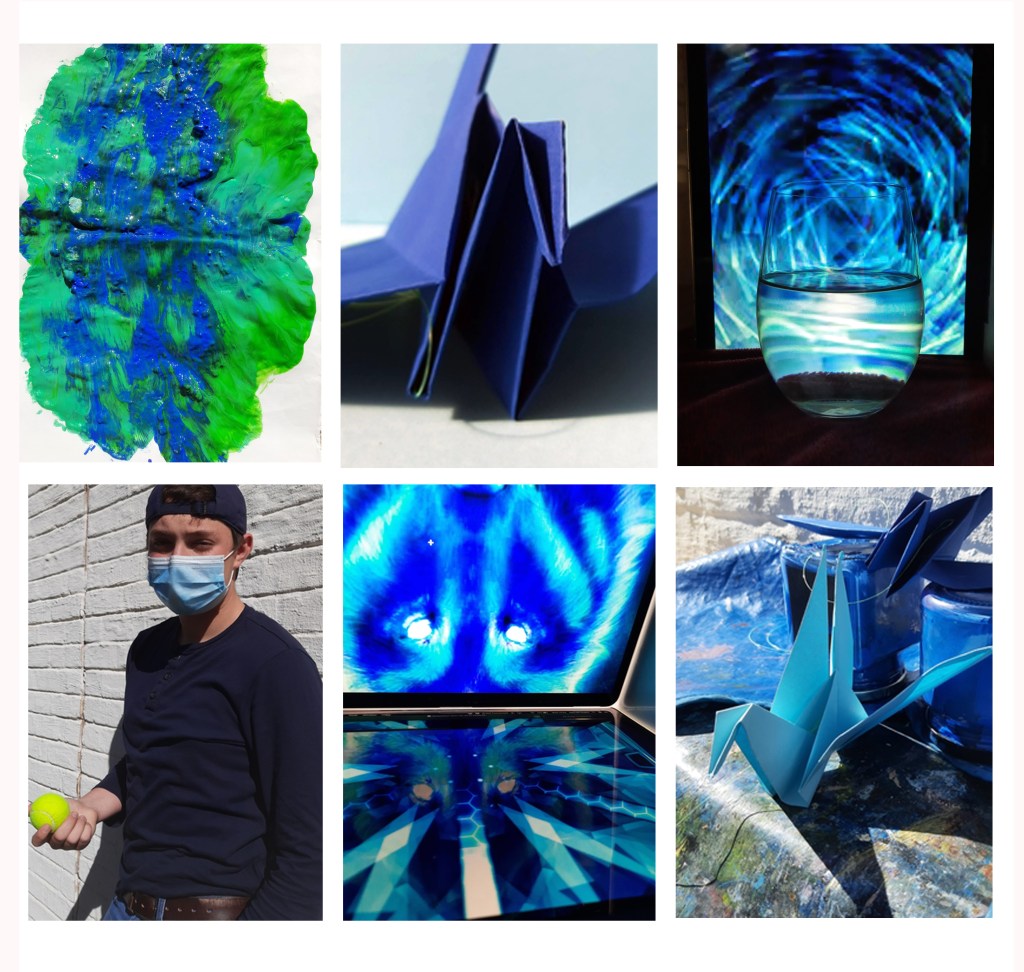
“Colour Grids,” Photography class, G8
Upon choosing a colour, students were asked to photograph objects of this colour in their environment. This was a lesson on tonal values and intensities, where students sought to identify as many as they could, within a Monochromatic colour harmony.

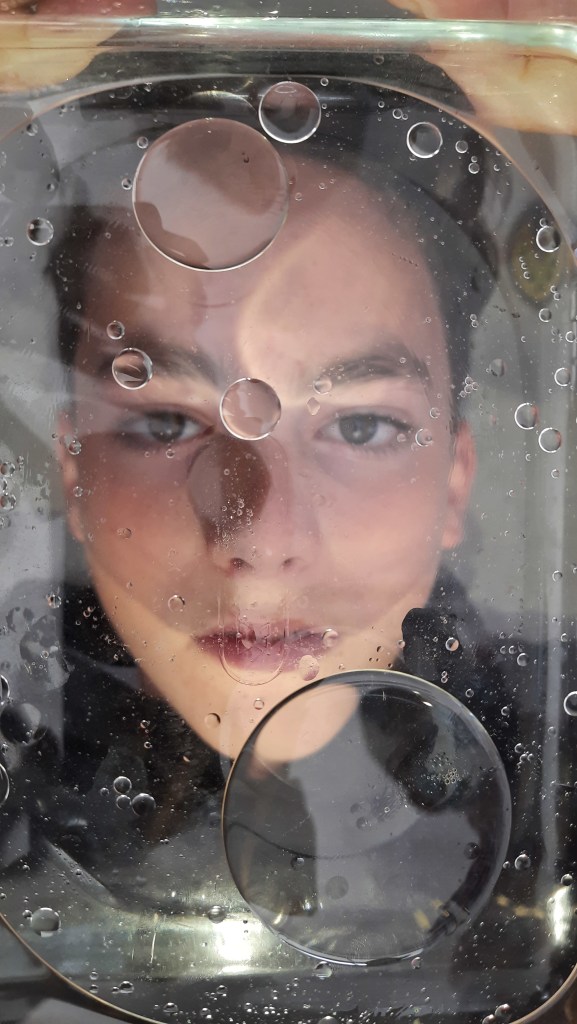
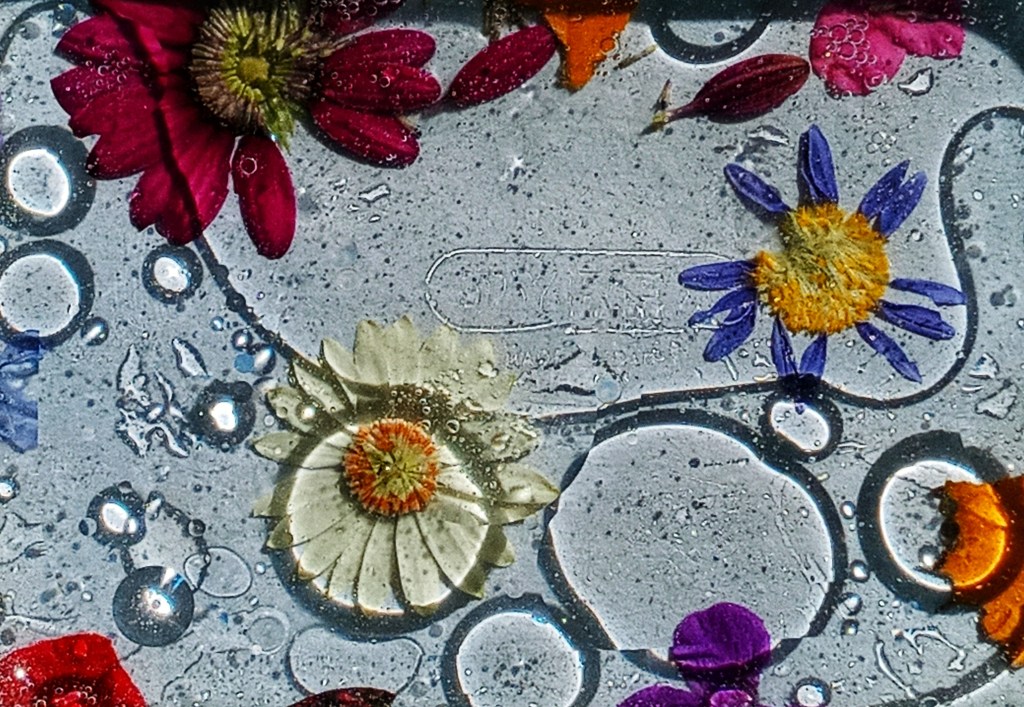
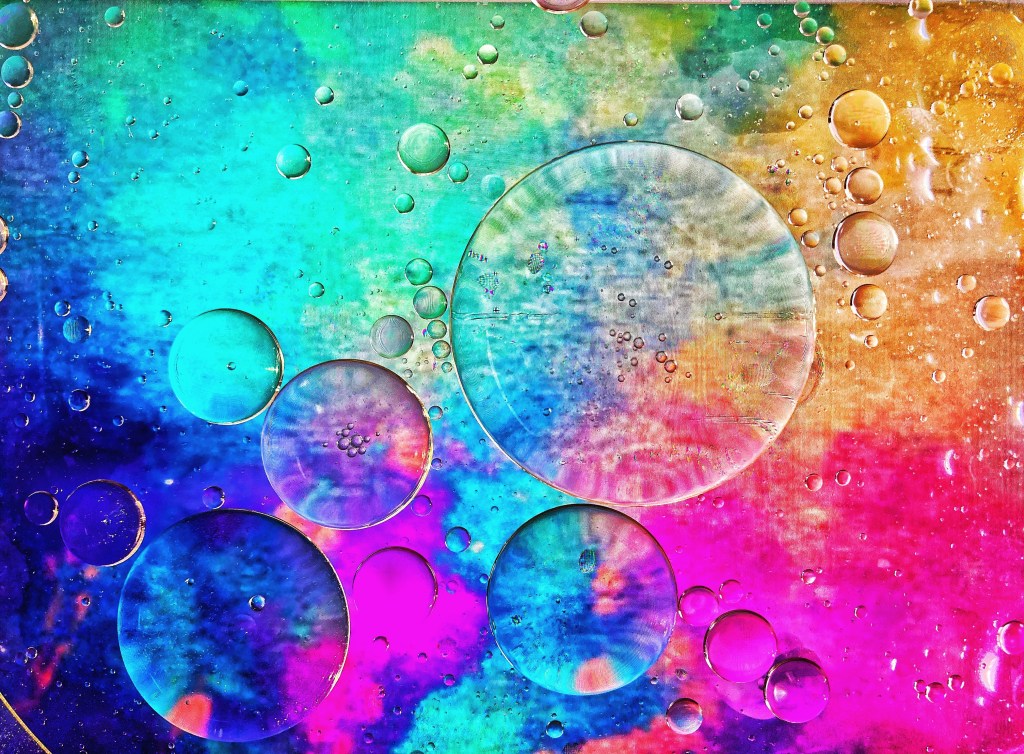
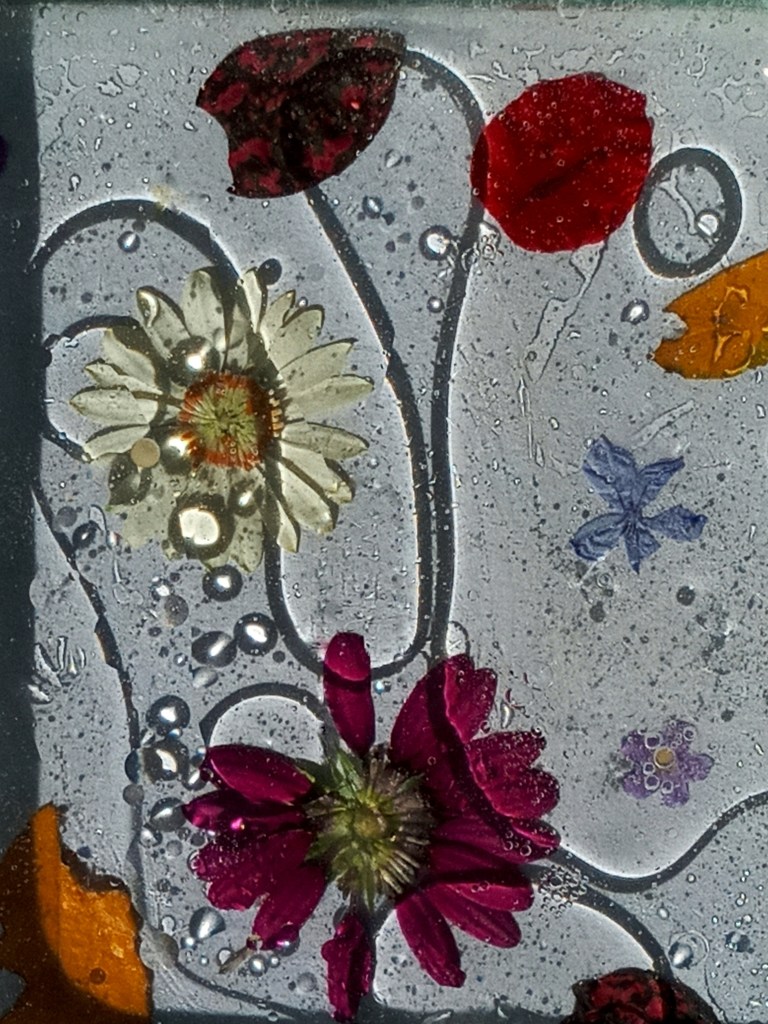
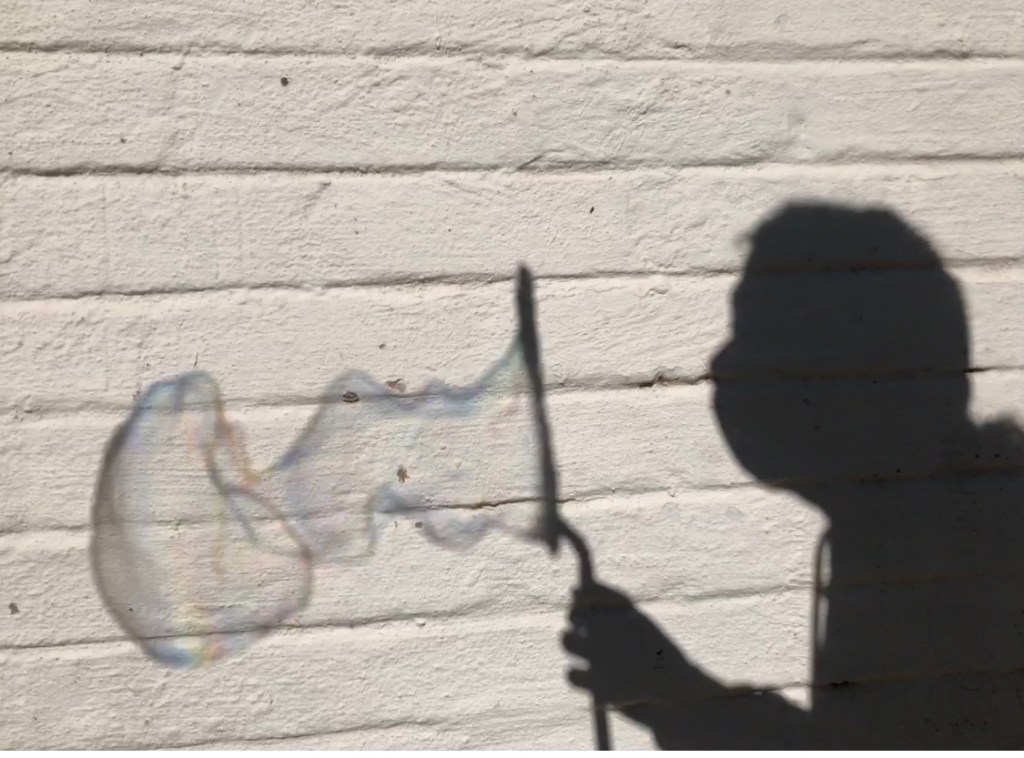
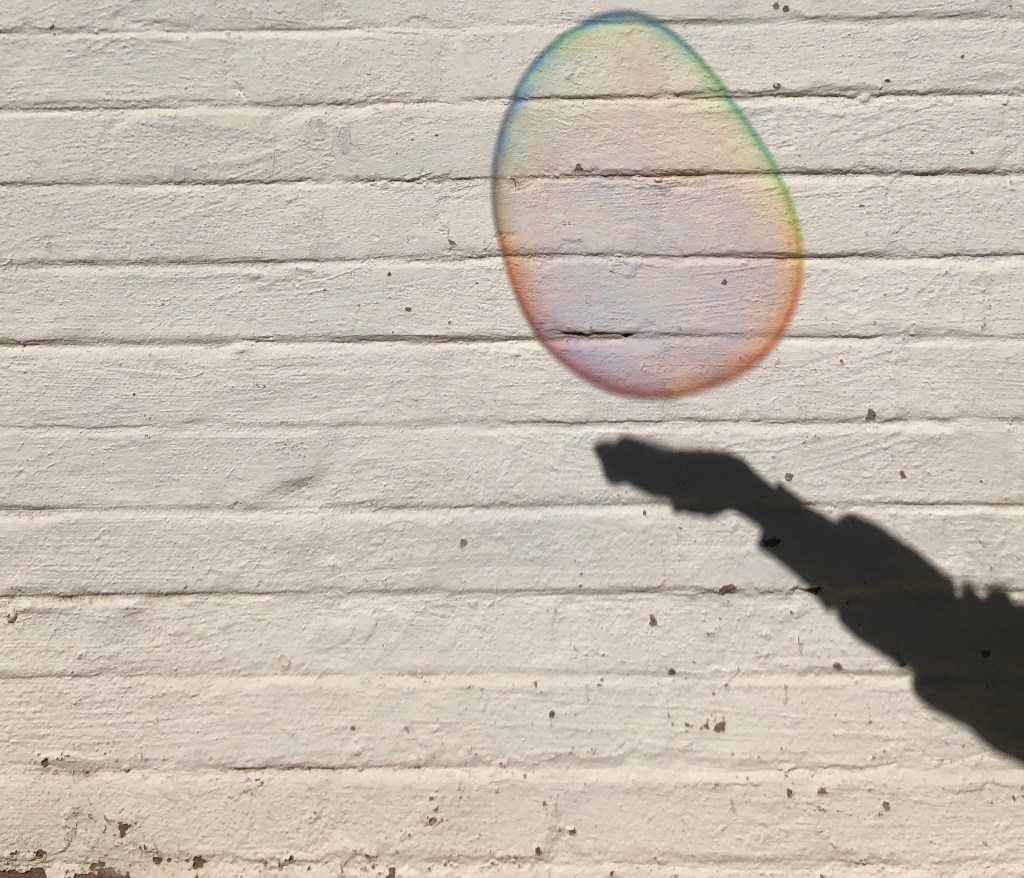
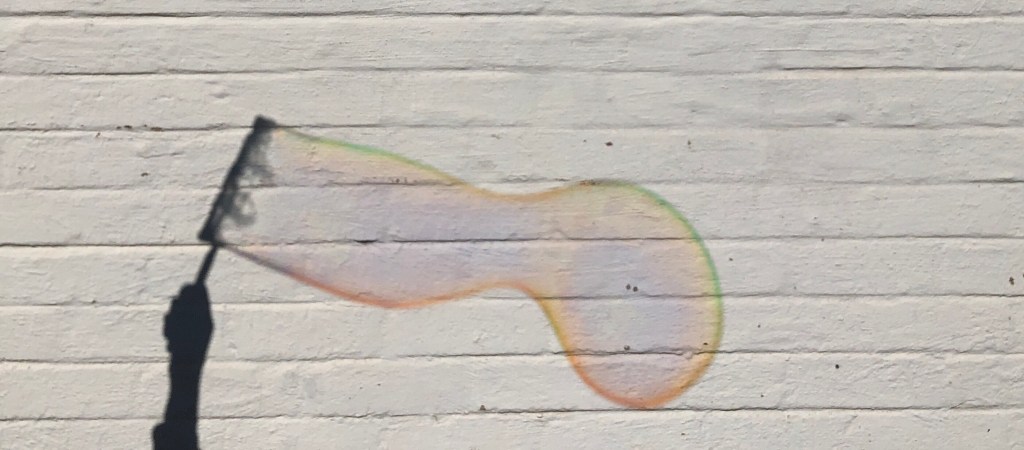
“Bubbles,” Photography class, G8
Students had two choices; 1. to photograph people of objects through a glass tray of water with floating bubbles. 2. to blow bubbles and see their relationships in their environment.
“Rothko Photos,” Photography class, G8
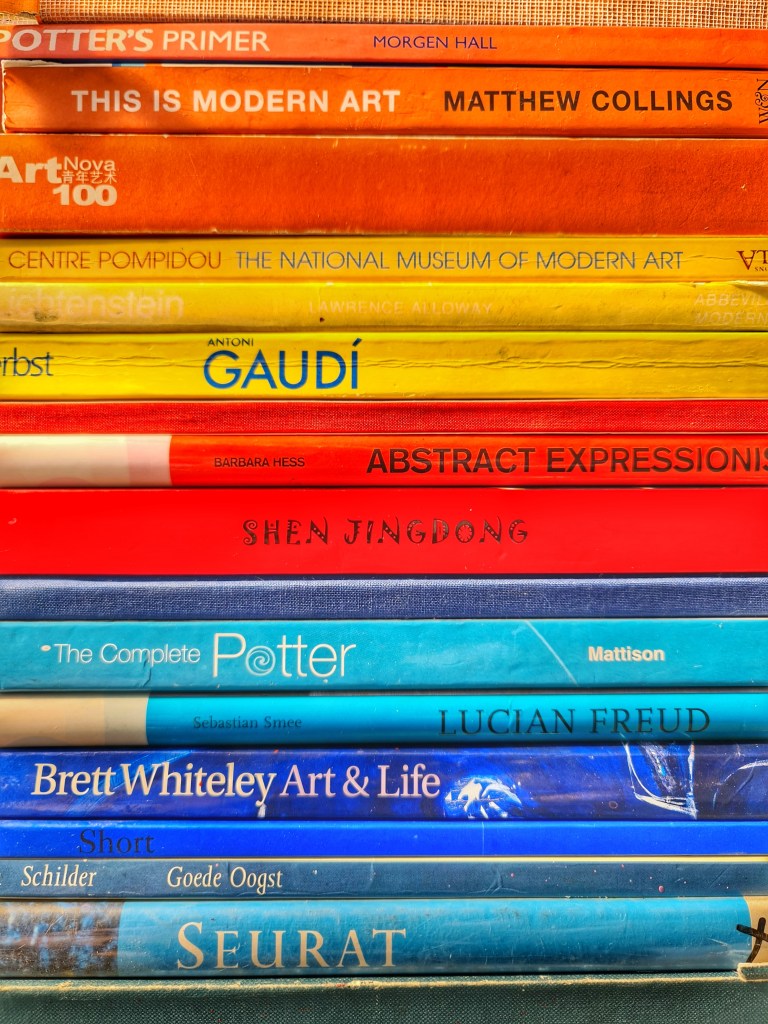
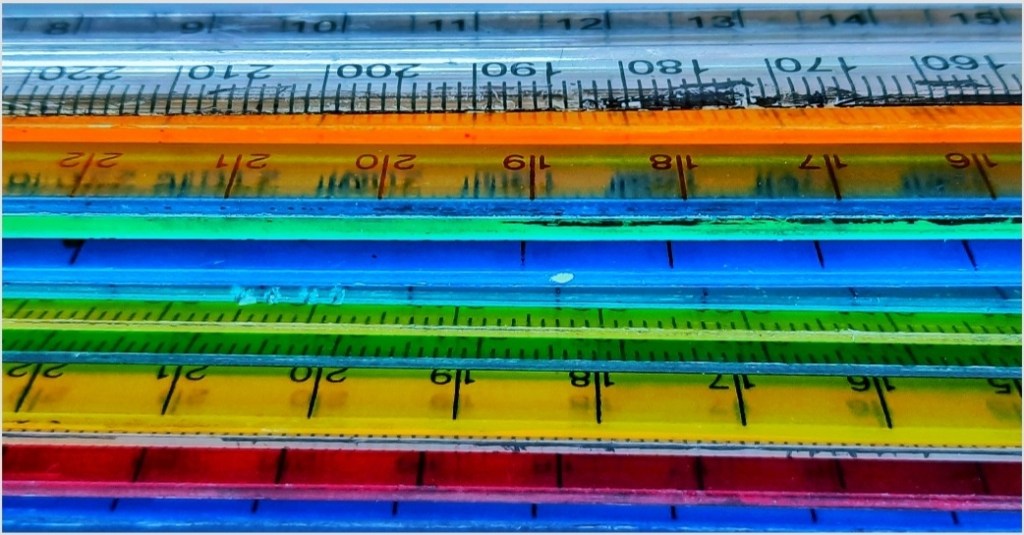
Looking at the paintings of artist Mark Rothko, students looked around their own environments, seeking to capture colours and textures in the style of Rothko.

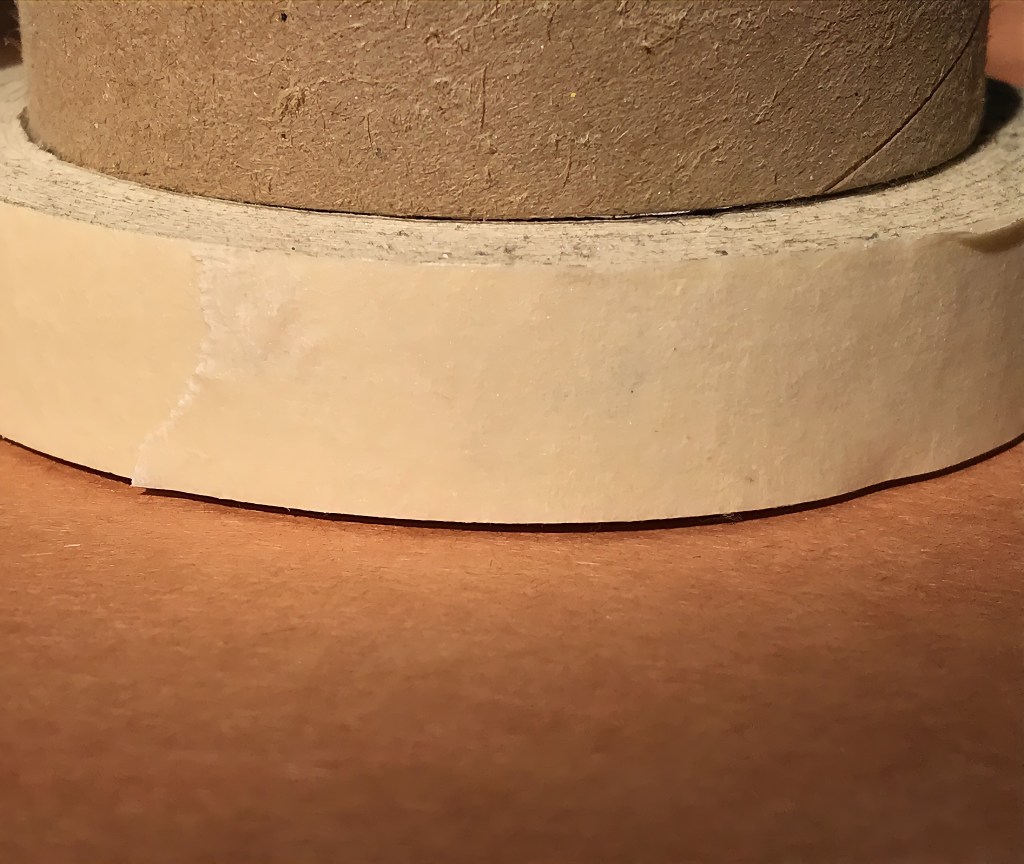
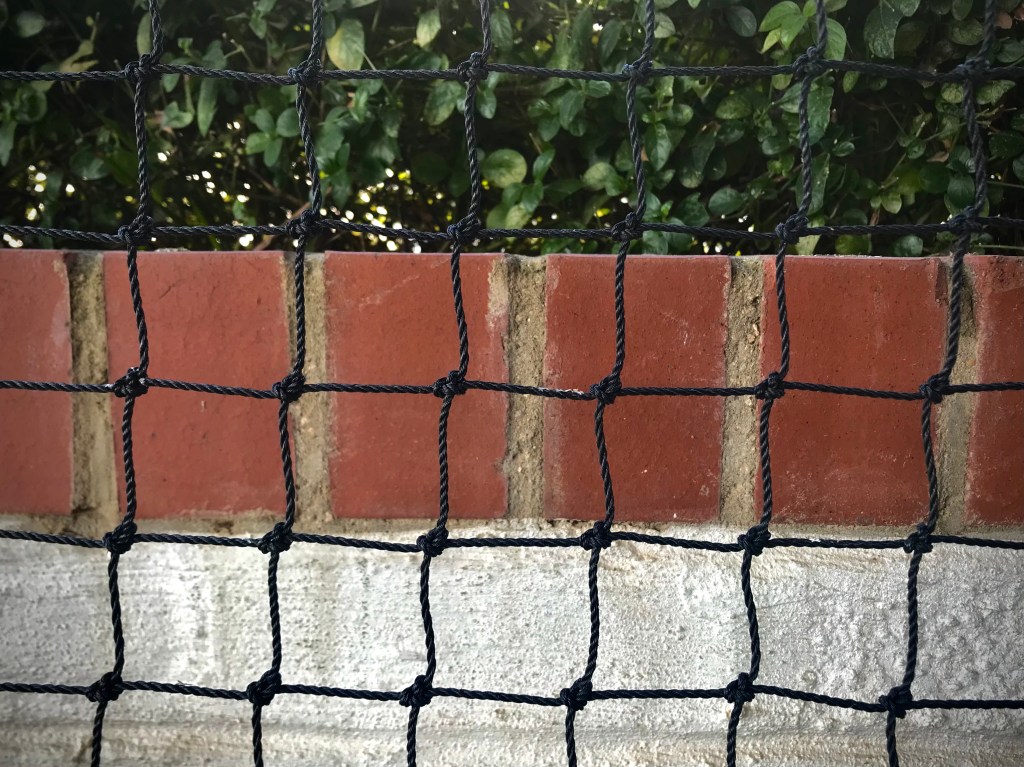
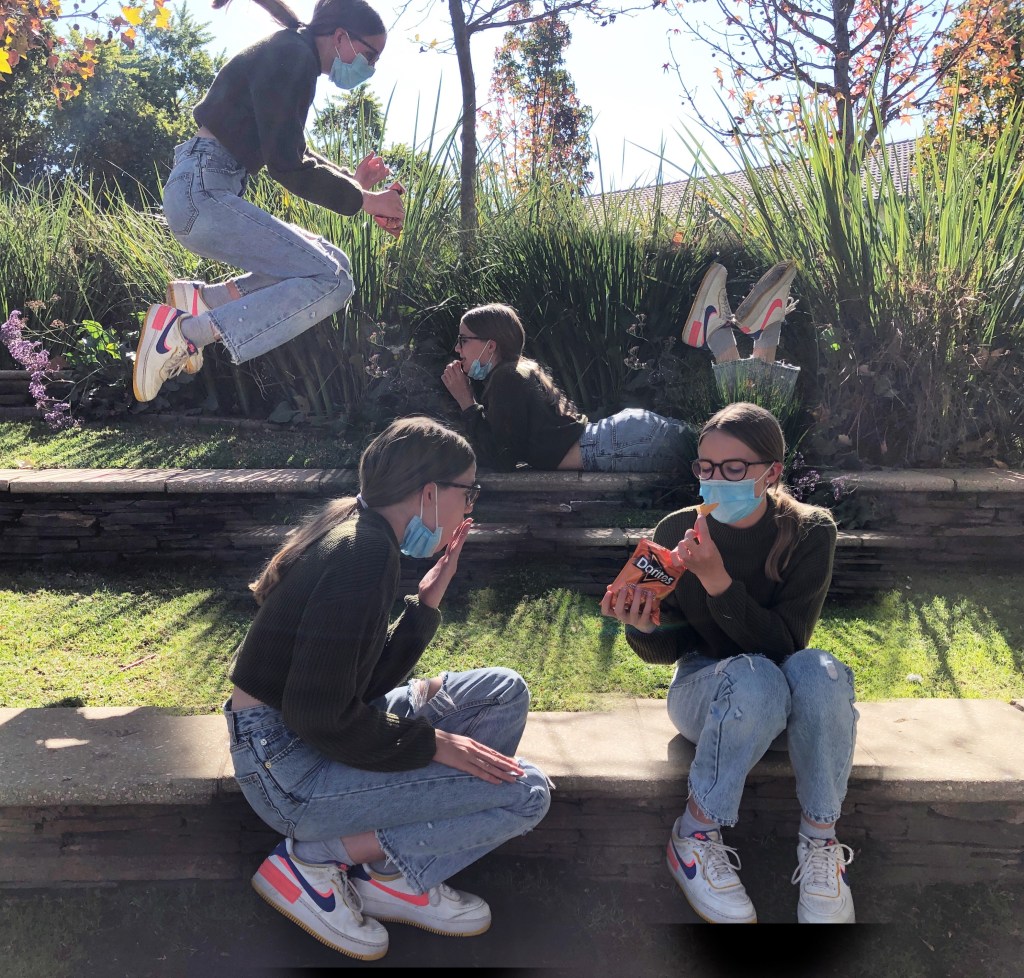
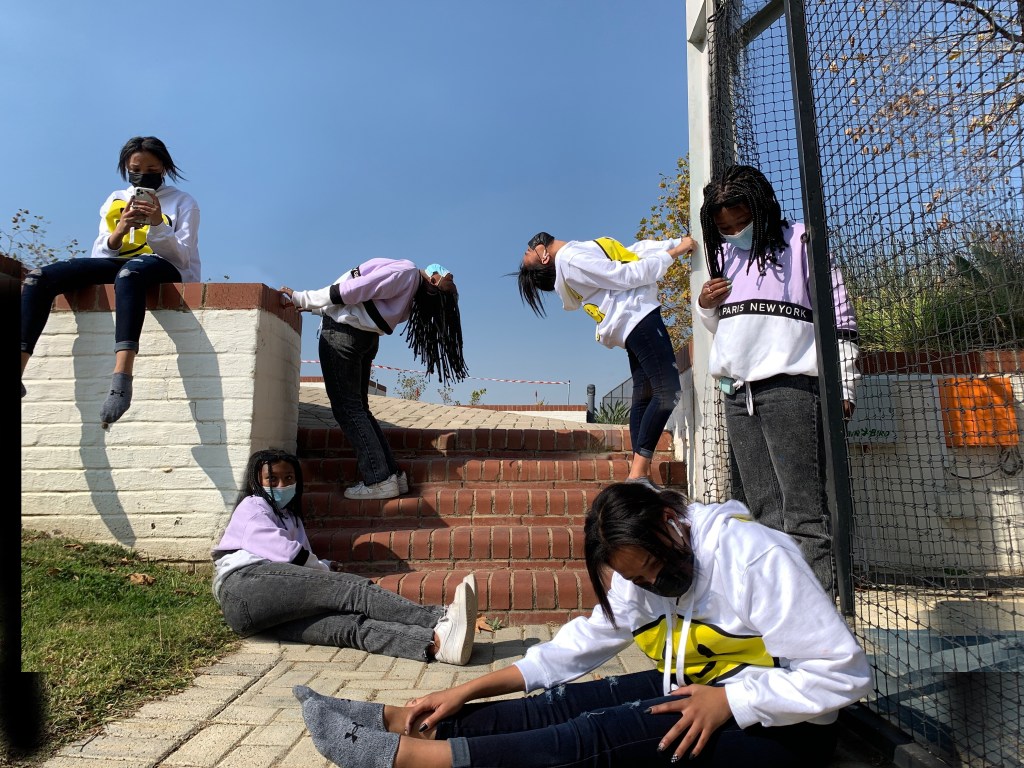
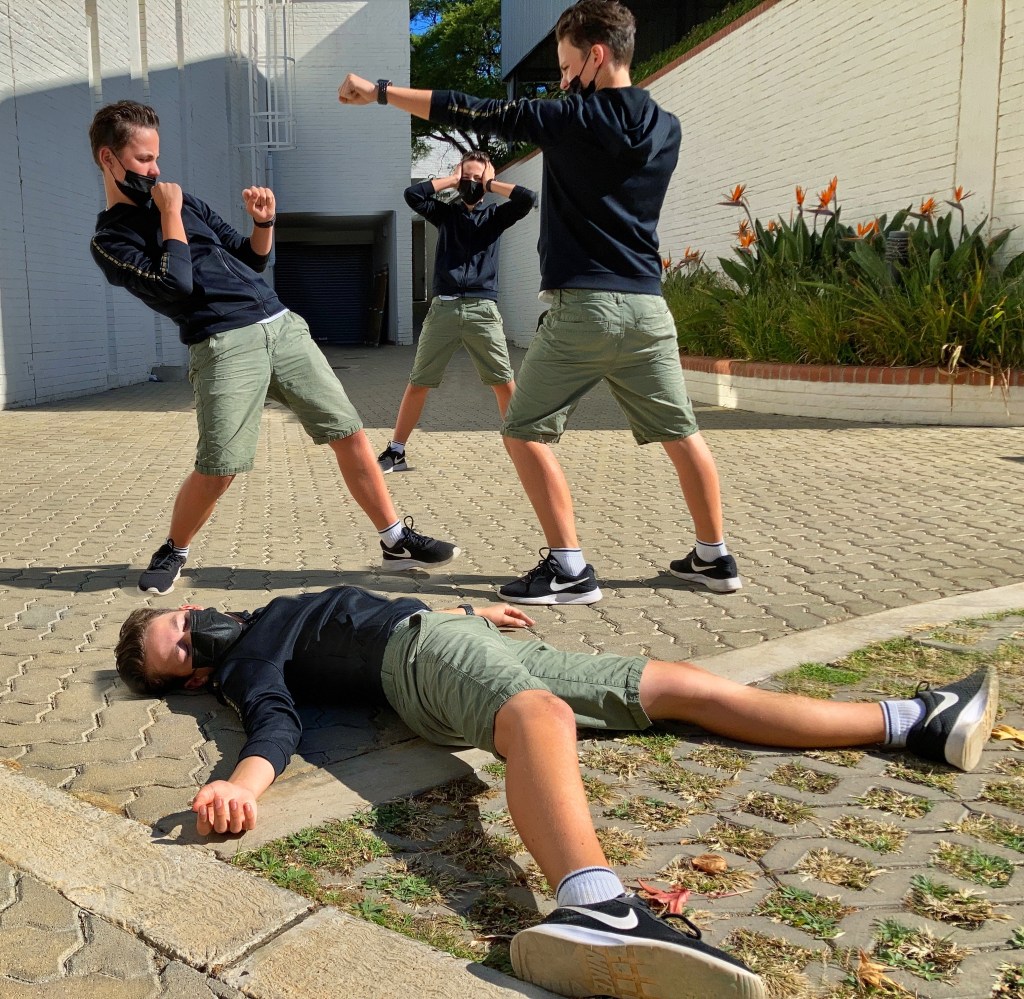
“Multiplicity,” Photography class, G8
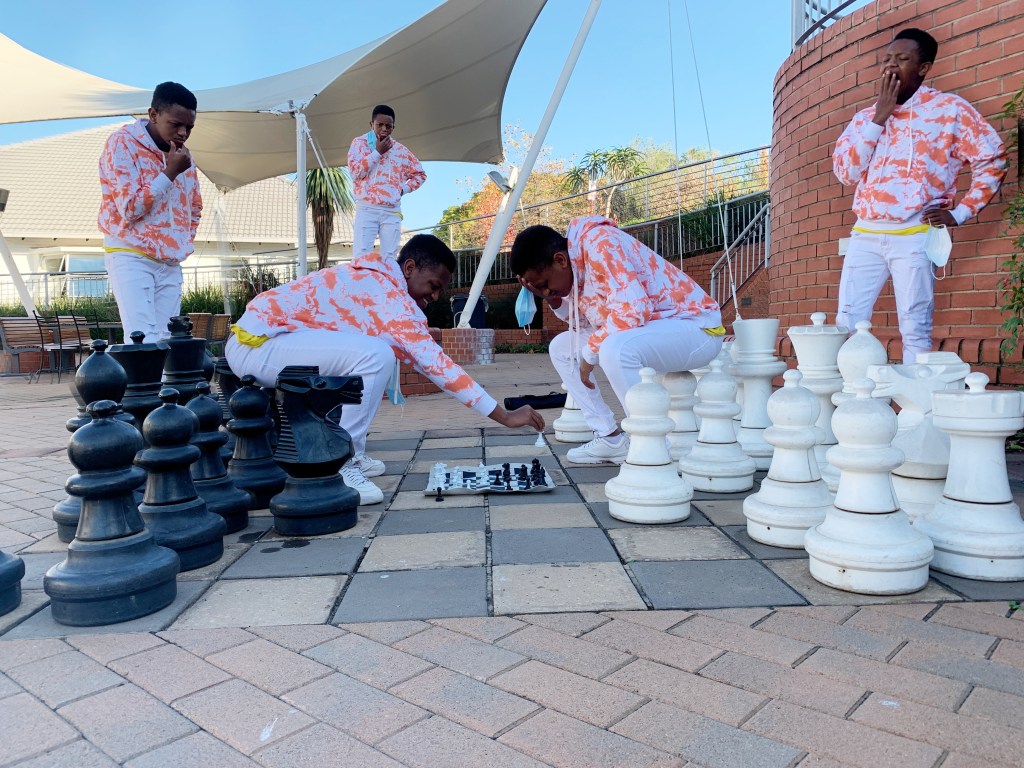
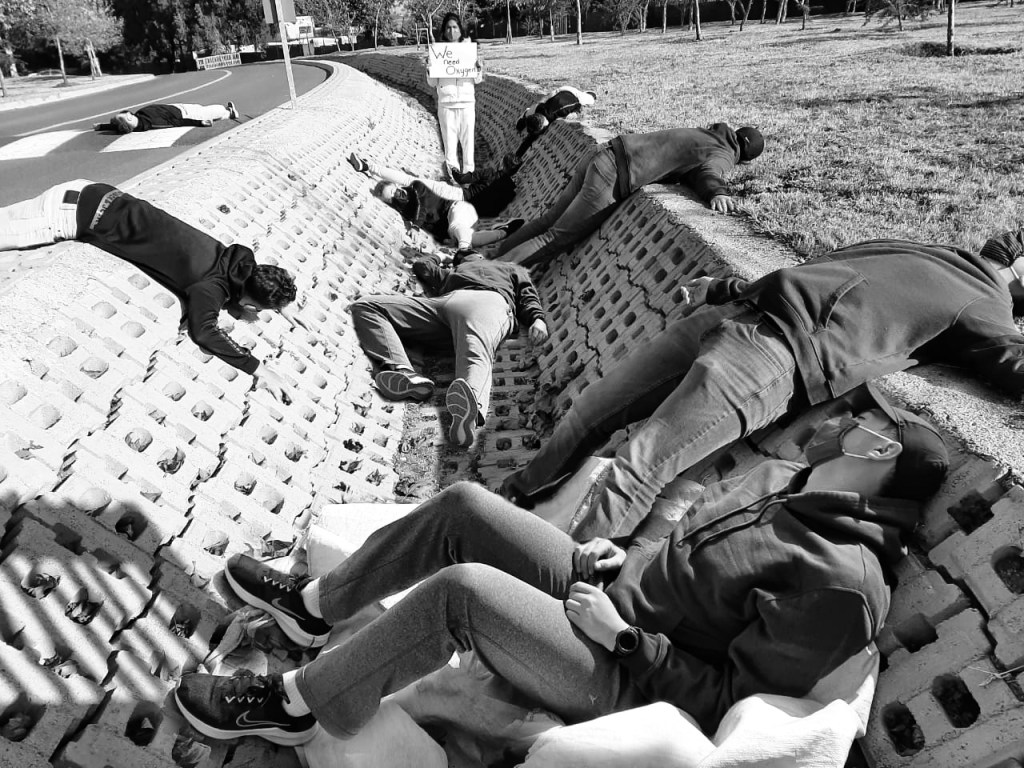
Looking at the multiplicity photos of conceptual photographer Hayley Roberts, students were to either use a specific context or show “A day in the life of…”
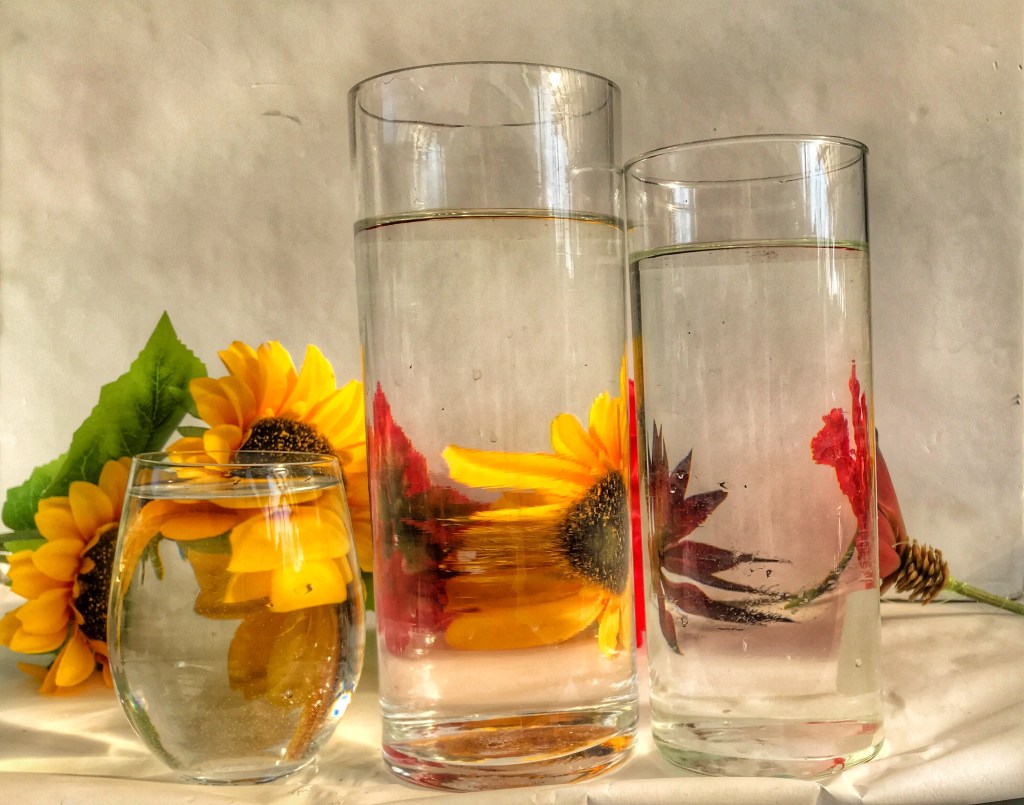
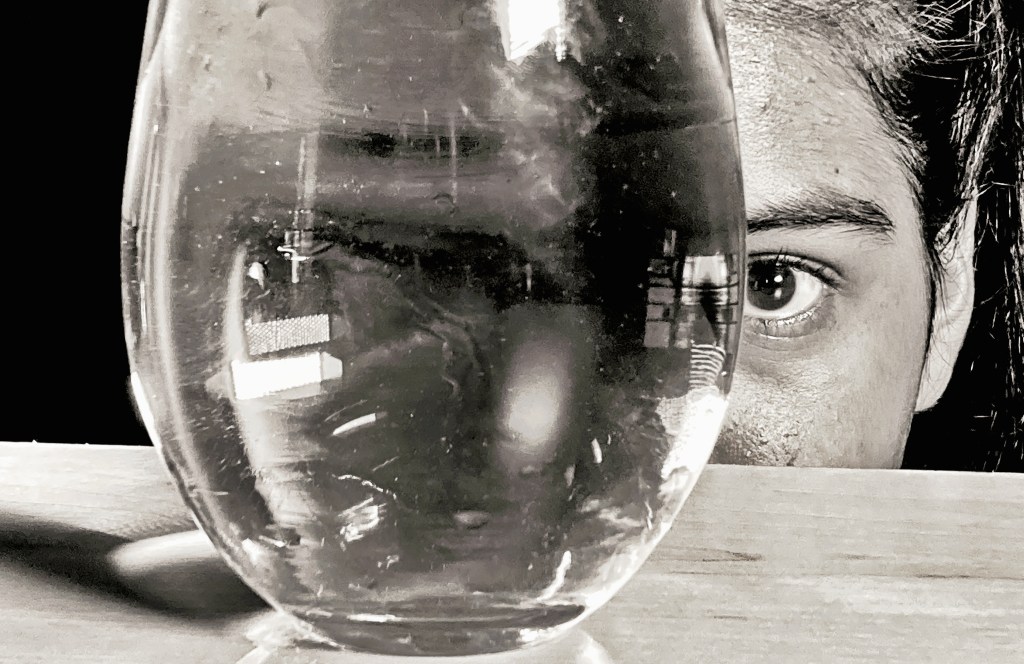
“Refraction, Reflection,” Photography class, G8
Using different heights of glassware and levels of water, students were asked to photograph objects behind the glassware, as they “refracted and reflected.”


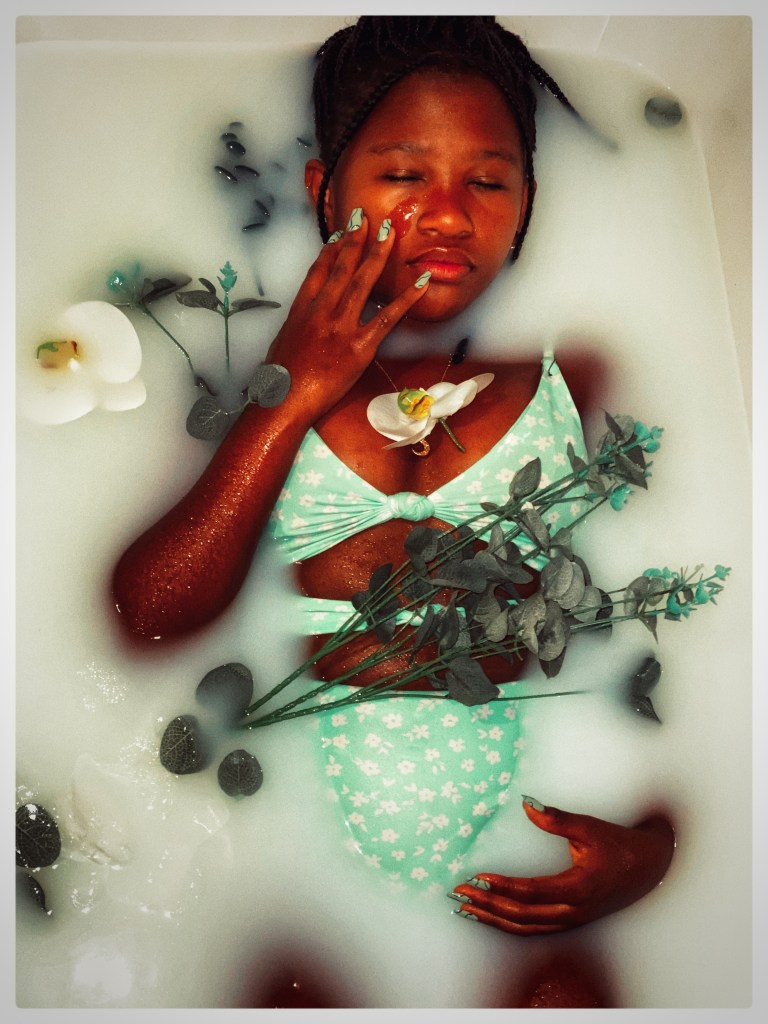
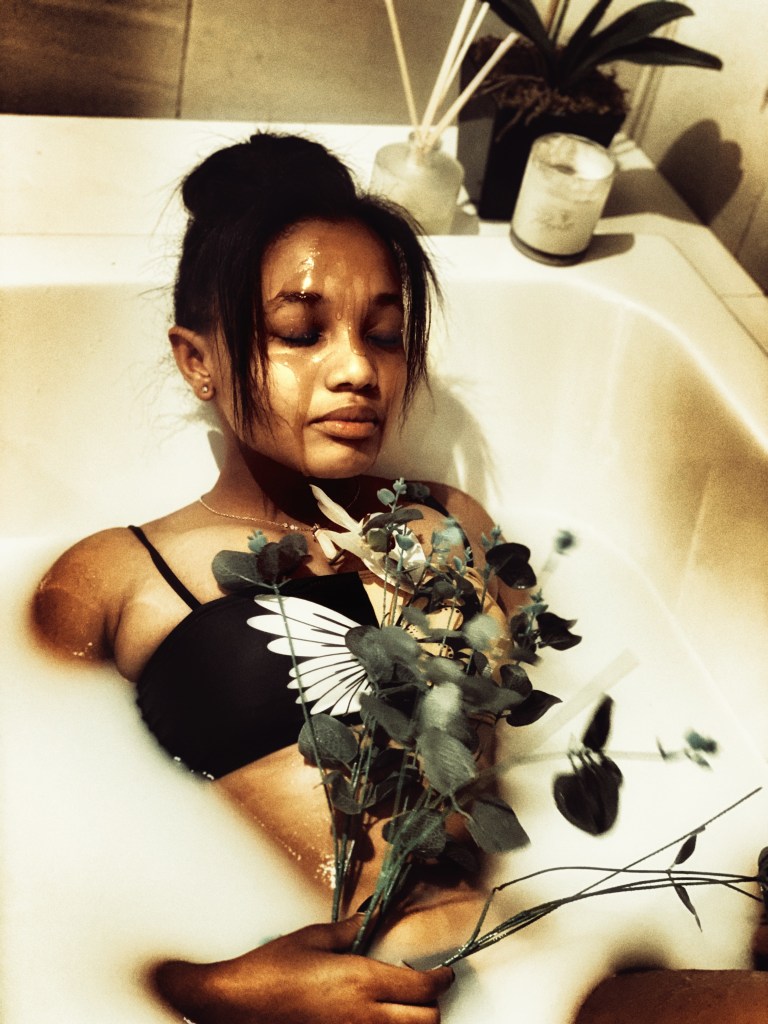
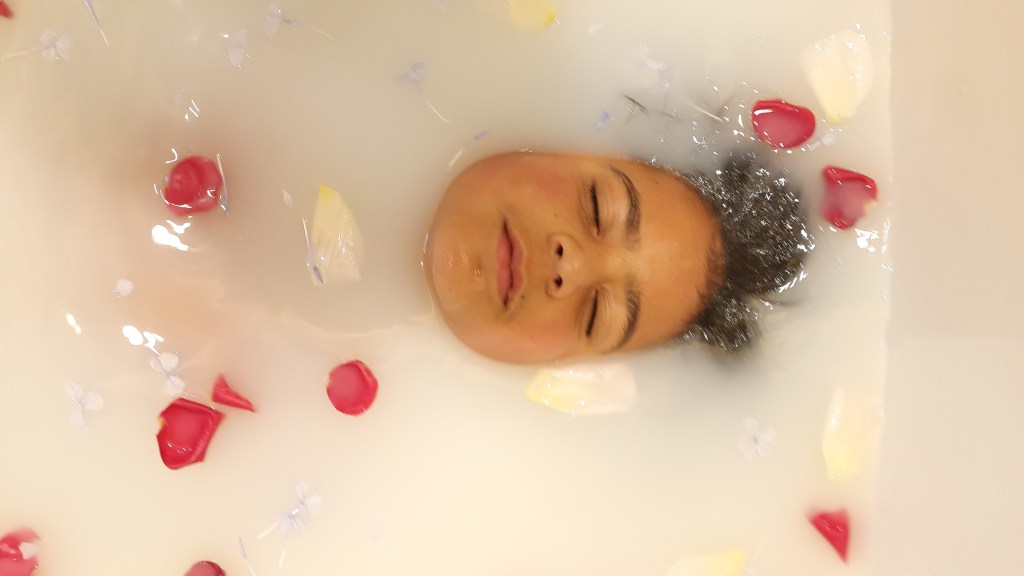
“Milk Bath,” Photography class, G8
Looking at the work of Annie Leibotvitz, students were asked to create an dreamlike photo using milk, a bath and natural materials.
 Tamara Palmer Artist/Teacher